
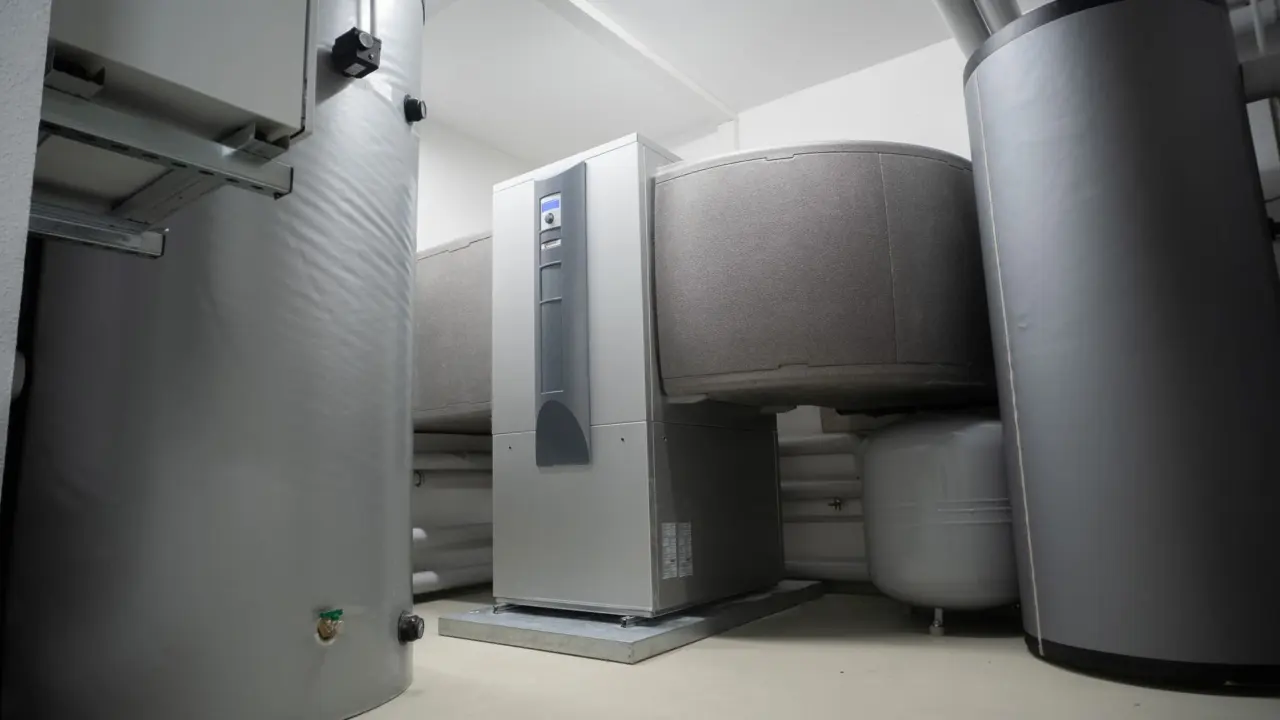
Are heat pump water heaters worth it? Usually yes where the unit has a warm, roomy spot and a 240 volt supply, because it moves heat instead of burning fuel. A cramped, cold or poorly supplied site weakens the case.
Picture an old tank that has started to fail, in a utility room or garage that is already full of boxes and shelving. The replacement decision then depends less on the sticker price than on whether the new appliance can breathe, drain and run on the right power. The sections below take those problems in turn, and they sit alongside the wider overview of green technology for homes.
Why the running cost can fall
A heat pump water heater does not generate heat directly. As Ferguson’s trade guidance puts it, the appliance moves heat without combustion. A fan pushes the surrounding air across evaporator coils that carry refrigerant, and that captured heat warms the tank water. The saving therefore depends on how much of the time the unit works in heat pump mode. The worth-it question is mostly about the site and the settings, not the brand.
Reading the efficiency label
The uniform energy factor (UEF) is the efficiency rating to look for on a model’s label and specification sheet. Use it to rank candidate models, but treat it as a ranking tool for the same kind of unit rather than a promise of a particular bill.
Hybrid mode and the electric-only setting
In hybrid mode the unit uses the heat pump for ordinary demand and can switch to electric heating when there is a high demand for hot water. That keeps showers and laundry from running cold. The same guidance notes that an owner can set the unit to use only electricity, and doing so gives up the heat pump efficiency that justified buying it. Electric-only is a fallback for a short-term problem, not a setting to leave on.
Placement: space, air, power and drainage
Placement is where most heat pump water heater plans succeed or fail. Because the unit draws on the air around it, it needs more space and a warmer installation area than many homeowners expect. A sealed closet or a very cold corner is a poor candidate, and a roomy utility space or garage that stays mild is a better one.
Electrical supply
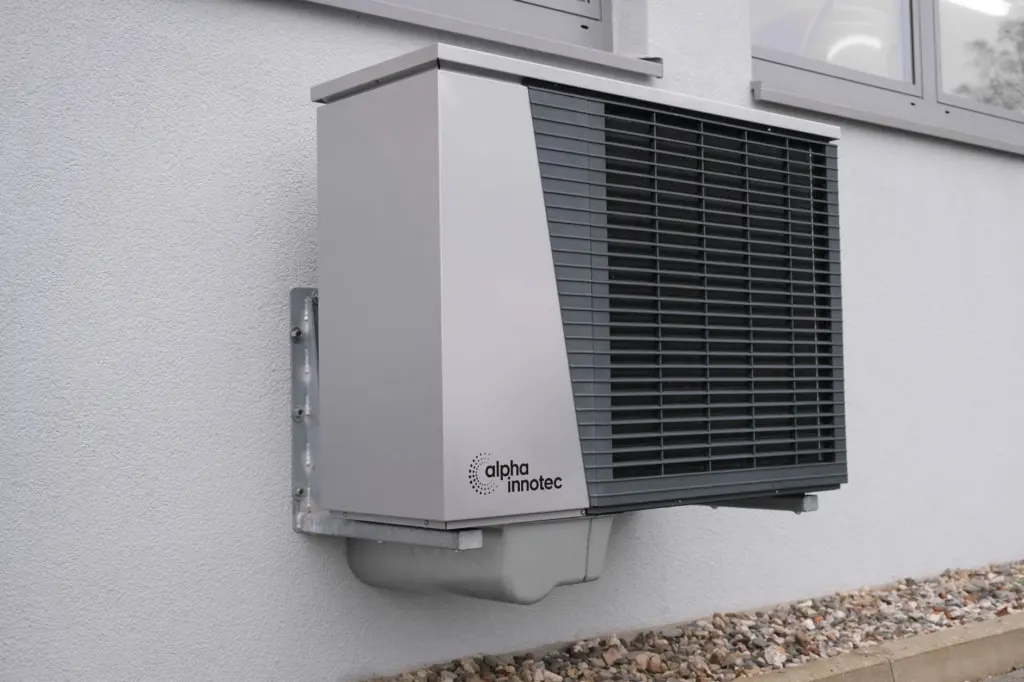
The installation site should have a 240 volt supply for maximum efficiency, according to the same trade source. The 120 volt versions are less efficient. If the intended spot only has a 120 volt circuit, either budget for a new circuit or accept a weaker return.
Condensate drain and venting
Installers list routing condensation, providing air space and venting among the jobs that shape a heat pump installation. The practical lesson is to choose a spot near a floor drain or another place where condensate can be led away, rather than a spot that is convenient only for the plumbing.
What drives the installed cost
The unit price is only part of the bill. The extra work depends on what the heater replaces and where it goes, so two households buying the same model can pay quite different totals. Ask for itemised quotes so each driver is visible, and check whether local code requirements add anything at your address.
| Site condition | What it adds | Planning use |
|---|---|---|
| Replacing a gas tank | Capping the gas line; a larger capacity heat pump unit is likely | Ask the installer to price the capping and the unit size separately. |
| No drain nearby | Routing condensation away from the unit | Prefer a spot where condensate can reach a drain. |
| Tight or enclosed room | Providing appropriate air space and venting | Measure the room before choosing a model. |
| 120 volt supply only | Less efficient 120 volt model, or an upgrade to a 240 volt supply | Compare the cost of the circuit against the efficiency given up. |
These cost drivers come from Ferguson’s comparison of heat pump and gas water heaters, with the space point supported by Denommee Plumbing.
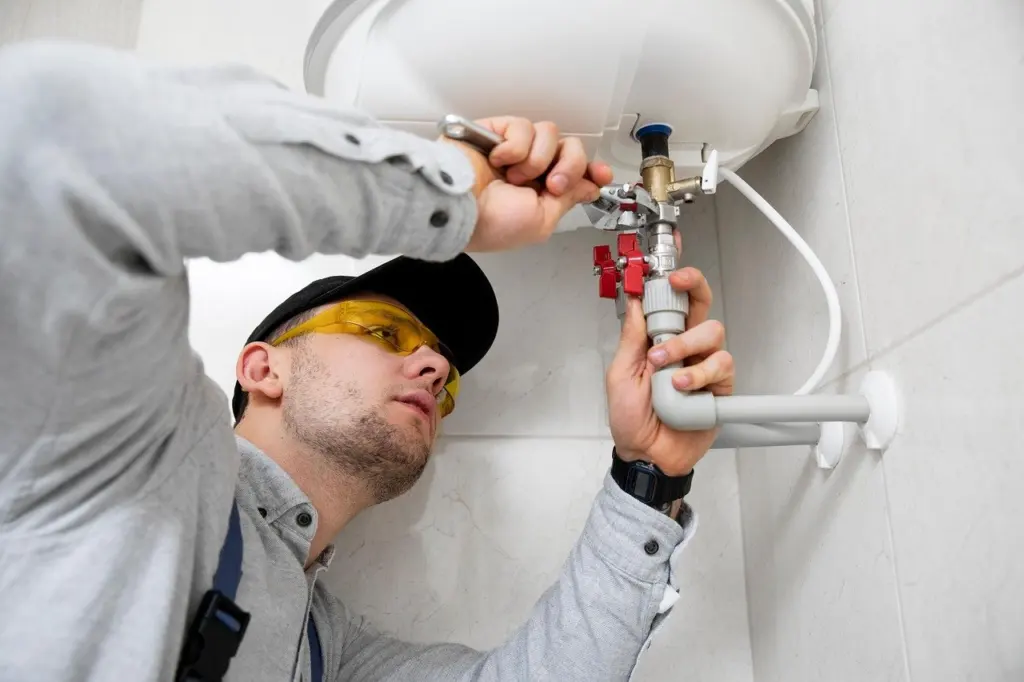
Replacing a gas tank is the case most likely to surprise buyers. The conversion adds the gas line work and probably a bigger unit. Replacing an electric tank in a roomy, mild space with a 240 volt supply is the simplest case and the one where the numbers most often work.
Pros and cons
The main benefit is efficiency from moving heat, and the main costs are space, site conditions and installation extras. The balance depends on the household.
Advantages
- Longer service life. Ferguson cites a lifespan of 13 to 15 years for heat pump units, compared with 10 to 12 years for traditional versions, which spreads the purchase price over more years.
- Quieter running. The same source describes heat pump units as quieter than traditional water heaters, which helps when the heater sits close to living space.
- No combustion. Heat is moved rather than made by burning fuel, so there is no flame to manage in the room.
Drawbacks
- Space and warmth. A heat pump water heater needs more room and a warmer location than a conventional tank, which rules out some closets and cold basements.
- Site work. Drainage, venting, air space and sometimes a power upgrade can add to the installed cost.
- Efficiency depends on settings. Leaving the unit in electric-only mode removes the benefit.
The best fit is a household with a spacious, mild utility area, a 240 volt supply and a tank at the end of its life. Wait or choose something else if the only available spot is a small, cold closet.
If the case is marginal
When the numbers look borderline, work through the problem rather than abandoning the idea.
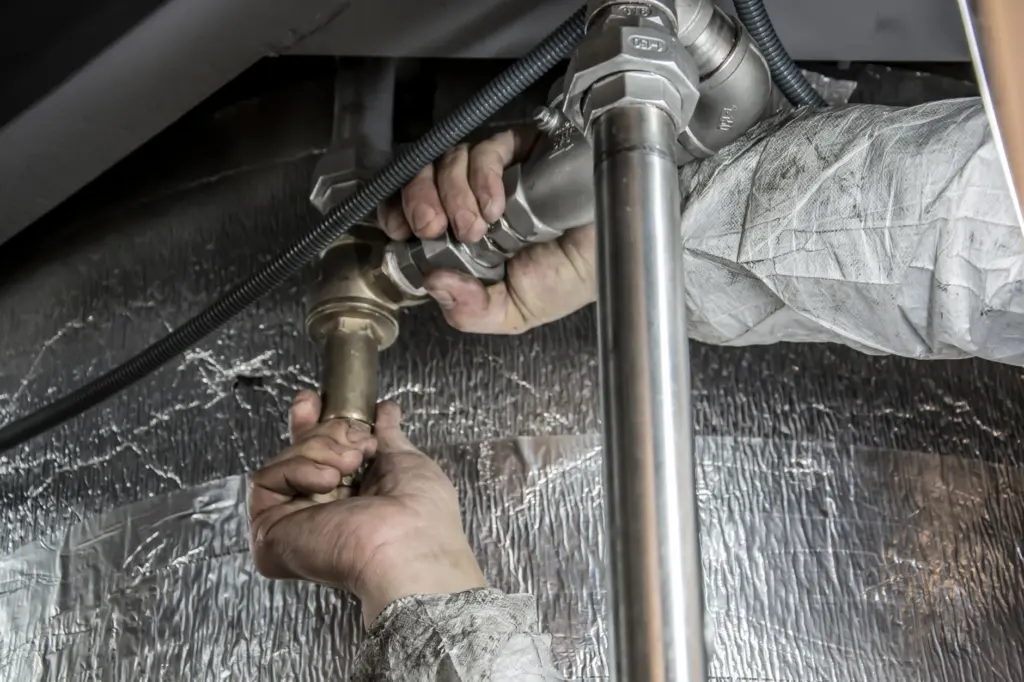
- Quote looks high. Ask which items come from the site, such as gas capping, condensate routing or venting, and which from the appliance. A good site can make a cheaper job than a bad one.
- Room is the problem. If no spot offers enough air space, a different heater type may suit better. Readers asking how does solar water heating work can compare that route in the solar water heating guide.
- Interested in heat pumps more widely. The comparison of air source vs ground source heat pump systems explains how other heat pump types differ from this tank-based appliance.
Frequently asked questions
| Question | Answer |
|---|---|
| How should UEF figures be compared? | Compare them only between water heaters in the same capacity category, as Ferguson advises. A figure from a different size class is not a fair comparison. |
| Can a heat pump water heater replace a gas tank? | Yes, but the homeowner will likely need a larger capacity unit, and the gas line has to be capped. Both items affect the quote. |
| Why does the unit need a condensate drain? | The appliance pulls heat from surrounding air, and installers treat routing condensation as part of the installation. Plan for a place where the condensate can leave the room. |