Are induction cooktops worth it? Usually yes for households replacing a gas range: induction heats faster, keeps the surface safer and cleans easily, and it takes gas combustion out of the kitchen. The conditions are compatible cookware and suitable wiring.
This comparison weighs induction against gas and ordinary electric cooking, then turns the findings into a switching checklist. It belongs to a wider set of choices covered in green technology for homes, where appliances are judged on practical payoff rather than novelty.
Induction, gas and electric side by side
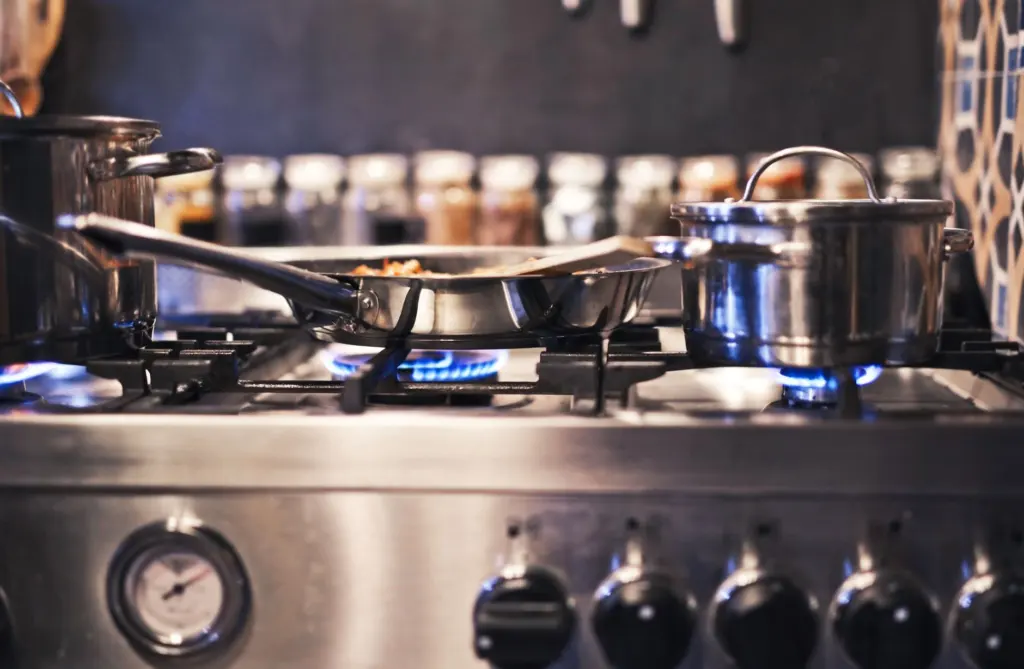
The clearest differences between an induction cooktop and a gas range are where the heat goes, what the surface does afterwards, how much effort cleaning takes and what the cooking adds to indoor air. A standard electric cooktop sits between them in design, because it heats the surface itself rather than the cookware directly.
| Criterion | Induction cooktop | Gas range | Planning use |
|---|---|---|---|
| How heat is delivered | Applied directly into the cookware rather than on the surface | Open flame under the pan | With induction, the pots you own matter as much as the appliance |
| Surface after cooking | Does not hold the heat, which lowers burn risk | Open burner while in use | Matters most in homes with children or older relatives |
| Cleaning | Flat, so much easier to clean | Grates and burners are harder to clean than a flat top | A real daily-use gain for people who cook often |
| Indoor air | No gas burned at the cooktop | Cooking can produce indoor air pollution levels that exceed outdoor standards | Strongest argument for switching in small or poorly ventilated kitchens |
These comparisons draw on The Cool Down’s reporting on induction stoves and the PIRG review of induction performance and safety.
Pros and cons of induction cooking
Induction wins on speed, safety and cleaning, and it loses on cookware flexibility and the cost of any electrical or kitchen work needed to install it. Weighing those against each other is the real decision, since none of the gains is dramatic on its own.
- Faster heating. Induction cooktops heat up faster, which helps cooks spend less time in the kitchen. The effect is most noticeable for tasks done repeatedly, such as bringing a pot of water to a boil.
- A safer surface. Because the heat goes into the cookware rather than the surface, the glass does not hold heat, so people are less likely to be burned by touching it after a pan is lifted off.
- Simple cleaning. A flat top wipes down far more easily than burners, grates and the gaps around them.
- No combustion indoors. Nothing is burned at the cooktop, which is the main reason induction features in discussions of indoor air quality.
- Cookware dependence. Since the cookware itself is what gets heated, pots and pans that do not respond to induction must be replaced or left out of use.
- Upfront disruption. Swapping a gas range for an electric appliance can involve electrical work and, in some kitchens, changes to the countertop or cabinetry.
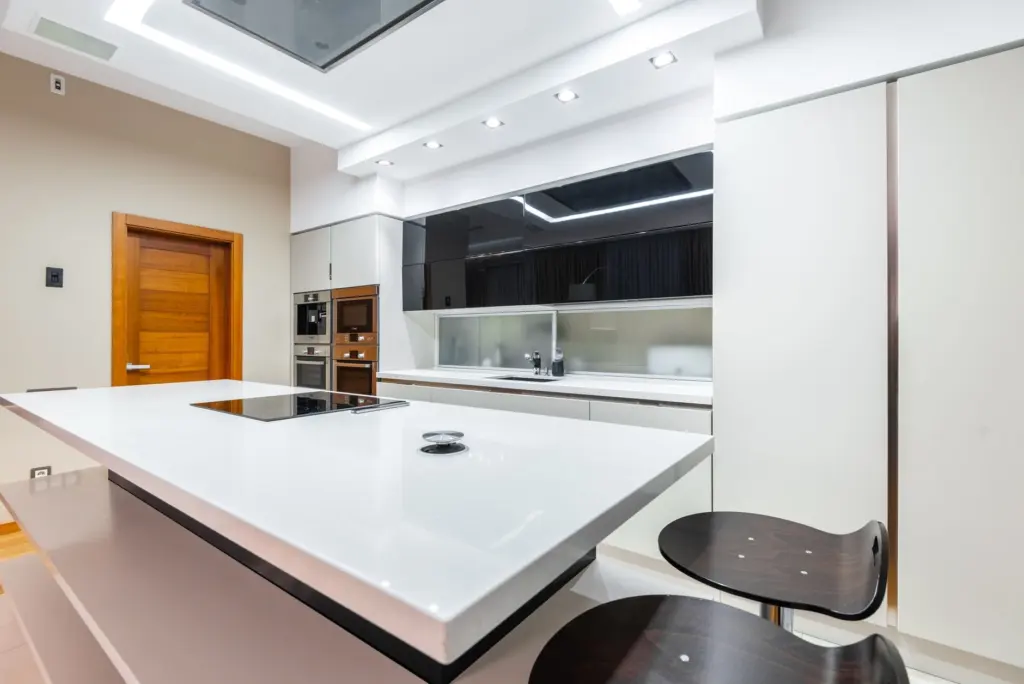
Efficiency and indoor air quality
Induction’s efficiency advantage comes from its method: it applies heat directly into the cookware instead of heating the surface and letting the pan collect what it can. That design explains the quicker heat-up, and the benefit is easiest to see when comparing the way gas and electric tops warm the space around the pan.
The air-quality argument is more consequential for health. The U.S. EPA’s science notebook opens with a reminder that people spend most of their time indoors, which is why a pollution source in the kitchen matters more than the same source outdoors. PIRG’s review notes that cooking with gas can produce indoor air pollution levels that exceed outdoor standards, that studies have linked gas stove pollution to the development of asthma, especially in children, and that one report compared the effects of using a gas stove around children with second-hand smoke exposure.
Those findings come from a consumer advocacy group summarising other studies, so treat them as a strong reason to look closely at ventilation rather than a precise measure of risk in any particular home. They carry the most weight for households with young children or anyone with asthma. They carry less weight for a household already cooking on standard electric, where induction is mainly a question of speed, surface safety and cleaning.
Switching from gas to induction
Switching from gas to induction is mostly a matter of checking three things in order: the electrical supply, the cookware and the available incentives. Doing the checks in that sequence avoids buying an appliance the kitchen cannot power or the pots cannot use.
Wiring and installation
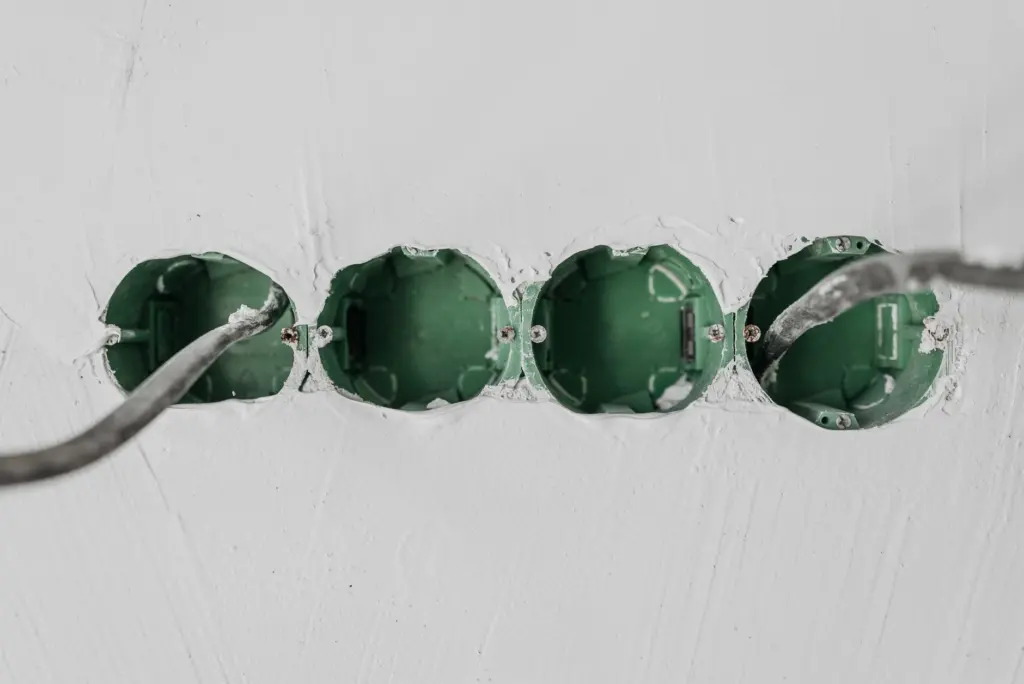
A gas range often sits in a kitchen with no suitable electrical supply behind it, so wiring is the step most likely to change the budget. Ask a licensed electrician to inspect the existing circuits and the panel before choosing a model, and get the appliance’s electrical requirements from its manufacturer so the electrician can quote against real specifications. If the home has a gas line to the range, ask the same professional how it should be dealt with once the gas appliance is removed.
Cookware
Because induction heats the cookware itself, every pot and pan should be checked for compatibility before the old range goes. Follow the cookware manufacturer’s guidance and the cooktop maker’s instructions, and keep what works. Replacing only the pieces that fail the check is cheaper than replacing a full set, and it keeps a trusted skillet or stockpot in service.
Rebates and tax credits
Federal and state programs, and some utility schemes, offer money toward induction appliances, but the amount depends on the household and the programme. Look up the current programmes through your state energy office and utility before ordering, because eligibility rules and funding can change and some programmes require the purchase to follow approval. Electrical upgrades may be eligible under separate rules, so ask about them in the same enquiry.
Who should choose which
The right choice depends on the household and the kitchen rather than on a single winner.
- Choose induction if you are replacing a gas range, cook often, have children at home or want an easy-clean surface, and the wiring and cookware checks come back workable.
- Wait or stay with your current range if the electrical work would cost more than you can sensibly fund, if your cookware cannot be used and replacing it is out of reach, or if an incentive you expect has not been confirmed. A later switch with funding in place is better than a rushed one.
- Keep standard electric if it already works well and your main interest is air quality, since the indoor air concerns are tied to cooking with gas.
- Improve ventilation first if you must keep gas for now, since the pollution findings make extraction a sensible interim step.
If you are weighing other efficiency upgrades alongside the kitchen, it is worth reading do smart thermostats save energy and are home wind turbines worth it to see how those decisions compare.
Frequently asked questions
Can I try induction before replacing a gas range?
Yes. A portable single-burner induction hob on a countertop lets you test how fast it heats and whether your pots work, without any wiring change or kitchen work.
Does household income affect induction rebates?
It can. Rebate amounts under at least one induction stove programme depend on household income, so check the specific programme’s rules before assuming a figure.
How is induction different from a standard electric cooktop?
Induction applies heat directly into the cookware, whereas a standard electric top heats the surface. That is why an induction surface does not hold heat in the same way and why cookware compatibility matters.