| Criterion | Rack-mounted solar panels | Solar shingles | Planning use |
|---|---|---|---|
| Installed cost per watt | $2.50-$3.50/W | $5.00-$8.00/W | Sets the baseline for comparing quotes on the same roof |
| Cost of an 8 kW system | $20,000-$28,000 before incentives | $40,000-$70,000, including substrate and matching shingles | Shows how much of the gap is the roof covering itself |
| Efficiency | 20-22% | 14-18% | Lower efficiency means less output from the same roof area |
| Typical lifespan | 25-30 years | 20-25 years | Compare against the age of the existing roof |
| Installation time | Often a single day | Up to two weeks | Shingles are scheduled as a roofing job |
Figures come from Evolve Construction’s cost and efficiency comparison and Photon Brothers’ product comparison, and they are broad averages rather than quotes.
Solar panels vs solar shingles mostly comes down to roof timing: rack-mounted panels cost less per watt and suit most roofs, while solar shingles make sense mainly when the roof needs replacing anyway.
The right choice depends on the roof you already have, so the sections below work through common situations. For wider context on other rooftop and household options, see green technology for homes.
A roof that is still in good condition
If the roof is young and sound, rack-mounted panels are the practical choice. Evolve Construction says that on a roof under 5 years old, installing solar shingles is almost never financially sound, because you cannot usually install them without replacing the entire roof. That means paying for a roof covering that already works.
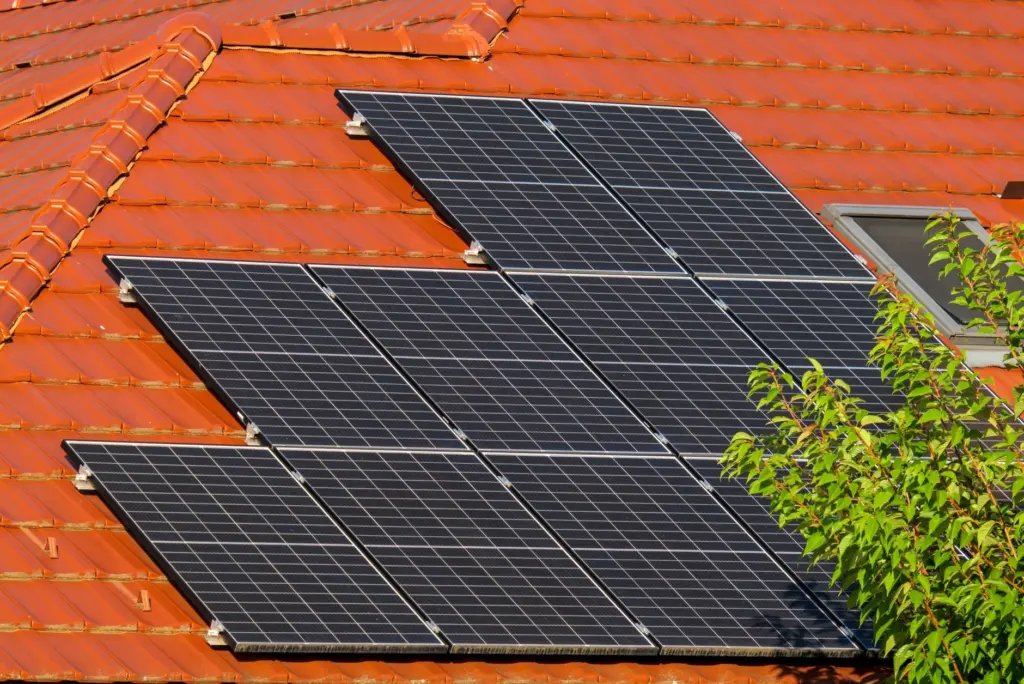
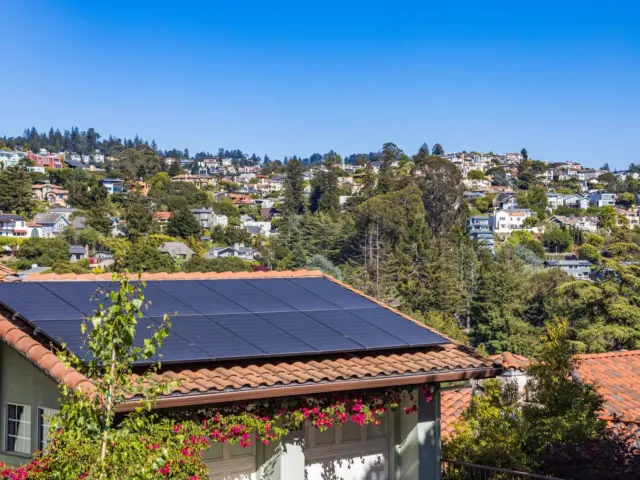
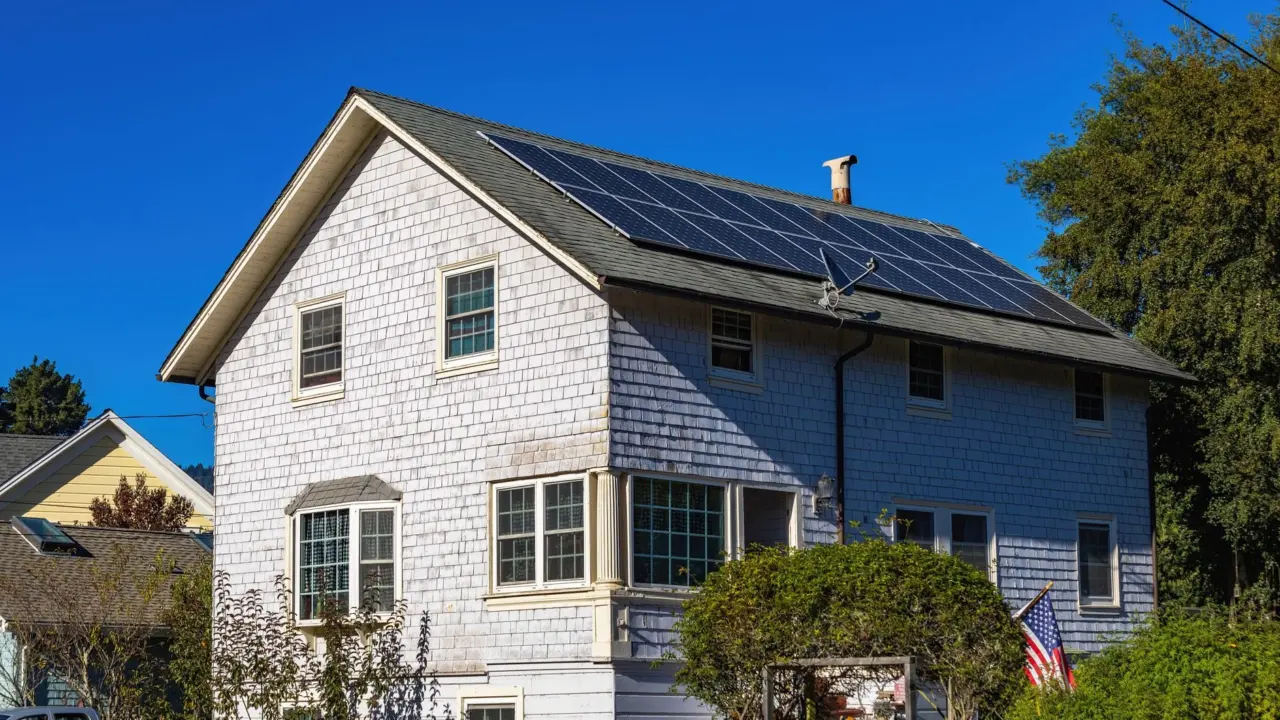
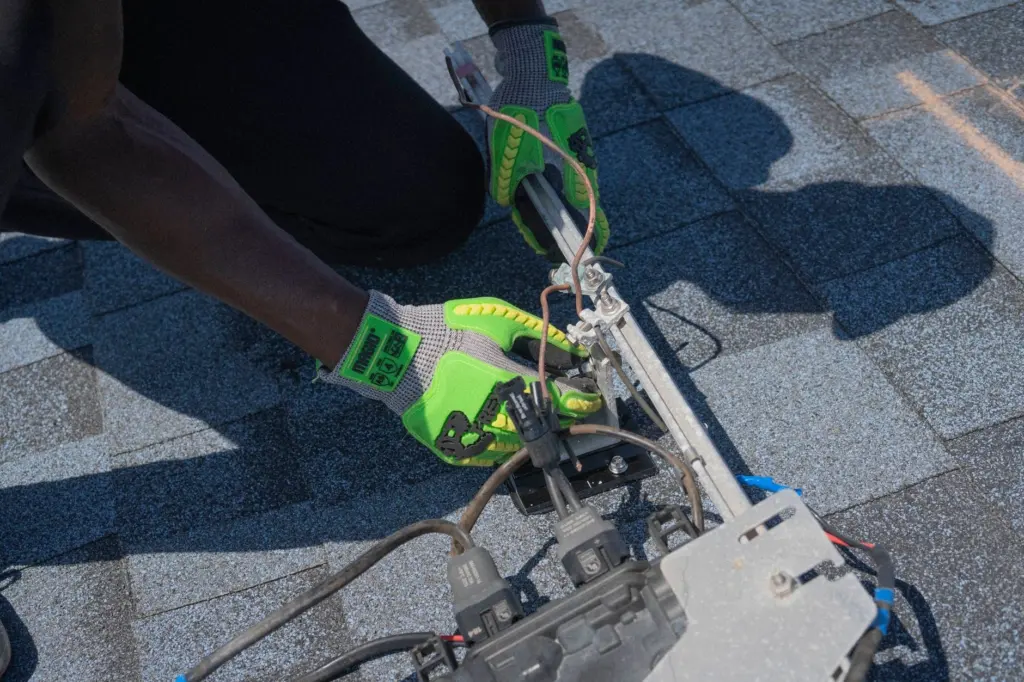
Conventional panels attach to rails and sit 3 to 6 inches above the roof surface, so the existing covering stays in place. Sandbar Solar adds that panels are easier to install correctly because an industry already specialises in them. Photon Brothers notes that panels often take a single day, while shingles can take up to two weeks.
- Best suited to: homeowners with a roof that has years of service left and who want the lowest cost per watt.
- Trade-off: panels are visible as an add-on layer, a point covered in the appearance section below.
A roof that is near the end of its life
A roof nearing replacement is where integrated products become worth pricing. Evolve Construction identifies the tipping point as a roof that is 15-20 years old and nearing the end of its life, because the shingles then replace a roof you would have paid for anyway.
Even then, the premium is large. It sets that against roughly $10,000-$20,000 for a traditional roof that the shingles displace. The gap shrinks when a roof is due but does not close, so the case rests on wanting the roof and the generator to be one product.
Why installed prices are higher than hardware prices
Panel hardware has become far cheaper. The same source says non-hardware soft costs can range between 60-75% of a project’s cost. That helps explain why installed prices per watt sit well above hardware prices. It also means that complicated roof work, such as many small connections across a whole roof, carries cost beyond the products themselves.
Output from the same roof
On the same roof area, conventional panels generally produce more. Evolve Construction gives panels at 20-22% efficiency versus 14-18% for shingles, and says most modern shingles hover around 15%. Namaste Solar attributes the higher efficiency of monocrystalline panels to the higher purity of the silicon crystal. Sandbar Solar reports that Tesla initially said its solar roof tiles are about two percent less efficient than current PV modules, a company statement rather than an independent test.
Mounting also affects output. Photon Brothers says panels can be angled, while shingles are limited to the pitch and direction of the roof. Heat matters too: Evolve Construction notes that solar cell efficiency drops as temperatures rise, and Sandbar Solar says flush shingles lose the ventilation that normal modules receive. A roof with a poor pitch or orientation favours racked panels, and one that runs hot is a further reason to be cautious about shingles.
- Choose panels if maximum output from limited roof area is the priority.
- Accept lower output if you value a single roofing product over yield per square foot.
Appearance and building-integrated photovoltaics
Appearance is the main argument for integrated products. Sandbar Solar explains that building-integrated photovoltaics (BIPV) take the form of roof shingles that act as both building material and generator. They sit flush with the roof plane, whereas rack-mounted panels stand 3 to 6 inches above it, according to Evolve Construction.
That flush profile has a cost in ventilation, as noted above. If appearance is the deciding factor, weigh the premium against the output and heat penalties instead of treating it as a free design upgrade.
Lifespan, warranty and roof replacement timing
Lifespan figures need careful reading. Evolve Construction lists typical lifespans of 25-30 years for panels and 20-25 years for shingles. Photon Brothers reports that manufacturers expect shingles to keep producing power for up to 40 years at near maximum output. Sandbar Solar says a company chief executive described the roof as designed to last two to three times longer than a normal asphalt roof. These are manufacturer expectations and claims, not guarantees.
What a roof warranty covers is set by each manufacturer’s own documents. With an integrated product the roof covering and the generator are one purchase, so check both the weatherproofing terms and the power-output terms. With racked panels the roof and the array age separately, which is why a roof that will need replacing soon is best dealt with before panels go on.
Availability of products and installers
Panels have the wider market. Photon Brothers says many solar installers do not offer shingles, and Sandbar Solar notes that several companies have developed BIPV shingles, with Tesla the best-known example. Panel work benefits from an established specialist industry, so quotes are easier to gather and compare. For shingles, expect a smaller pool of roofers or installers and request quotes early.
Which option suits which situation
- Sound roof, cost-driven: racked panels give the lowest cost per watt and keep the roof untouched.
- Roof due for replacement and appearance matters: shingles merit a quote alongside a conventional re-roof with panels, so the true premium is visible.
- Awkward pitch or orientation: panels, because tilt can be adjusted.
- Limited installer choice locally: panels, since specialist capacity is deeper.
Whichever product fits, the ownership structure changes the cost picture too, and the guide to buy vs lease solar panels covers that decision.
Frequently asked questions
What does building-integrated photovoltaics mean?
It describes construction materials that generate power while serving as part of the building. Roof shingles are one form, as described by Sandbar Solar.
How much power does a single solar shingle tile produce?
Photon Brothers states that each tile can gather between 13 and 63 watts, with Tesla claiming a maximum of 71 W per tile (Photon Brothers).
Which type pays for itself sooner?
Sandbar Solar expects traditional modular systems to take less time to pay for themselves than the Tesla solar roof (Sandbar Solar).