
Quick answer: A heat pump water heater is a good swap for an electric tank when the unit sits in a room with enough air, a drain route and a suitable electrical circuit. Without those, wait or choose another option.
If the swap is part of wider work, how to build a green home shows where water heating fits among the other upgrades. Space conditioning is a separate system, covered in the guide to heat pump for home heating.
Choosing between a heat pump unit and an electric resistance tank
The decision comes down to where the unit will live and how much hot water the household draws at peak. A heat pump unit takes heat from the air around it, so the room matters in a way it never did with an electric resistance water heater.
- Choose a heat pump unit when the tank location has open air around it and the household wants lower electricity use. Heat pump water heaters use heat from the surrounding air to warm water, and they consume about one-third the electricity of traditional electric water heaters.
- Look at a hybrid model if the room gets cold or hot water demand spikes. Hybrid electric heat pump water heaters supplement the heat pump with traditional electric elements, which gives a fallback for cold conditions or heavy demand.
- Hold off if the only available spot is a tight closet with no airflow, no drain route and no practical circuit. Fixing the location costs less than living with a poorly placed unit.
| Criterion | Electric resistance tank | Heat pump water heater | Planning use |
|---|---|---|---|
| Efficiency rating | EF 0.93 to 0.95 | UEF 3.3 to 4.1 | A higher rating means a more efficient heater, so compare the figures on the label of each model you shortlist. |
| Electricity use | Baseline for a traditional electric tank | About one-third the electricity of a traditional electric water heater | This is the main reason to upgrade, and it holds best when the unit runs mostly on the heat pump. |
| Heat source | Electric elements | Heat from surrounding air; hybrid models add electric elements | The room’s air supply and temperature become part of the design. |
Efficiency ranges come from Penn State’s energy course text, and the electricity comparison and heat-source description from Rheem’s explainer.
The resistance range above is quoted as an energy factor and the heat pump range as a uniform energy factor, so use the table for direction and compare like with like on each product’s own label.
How the unit works and what the ratings mean
A heat pump water heater moves heat rather than making it from scratch. It pulls heat from the surrounding air into the water and vents the cooled air back out, which is why it can deliver far more heat than the electricity it consumes.
Uniform energy factor is an efficiency ratio: the energy supplied in heated water divided by the energy input. The higher the figure, the more efficient the water heater. For an ENERGY STAR heat pump model, Penn State’s course text says the UEF must be greater than 3.30, which sits at the bottom of the 3.3 to 4.1 range for heat pump units.
ENERGY STAR also publishes a final Version 4.0 water heater specification. When comparing models, look for the ENERGY STAR mark and the efficiency rating on the yellow label, then confirm the figure in the manufacturer’s literature.
Space, air and clearance
The unit needs a room that can supply air and tolerate cooler air leaving it. Because heat is extracted from the surrounding air, that air is cooled and vented back out, so the space around the unit should stay open rather than boxed in.
Check the installation manual for the required clearances around the air intake and exhaust, and for the minimum room air volume the manufacturer specifies. These values differ between models, so do not carry over the numbers from a different unit or from the old tank.
Enclosed spots deserve extra scrutiny. A utility closet or cabinet that suited a conventional heater may leave a heat pump unit short of air, so confirm with the manual or installer before assuming the old footprint will do.
Cold basements, garages and room temperature
A heat pump water heater can work in a basement or garage, but it will cool that space as it runs. The cooled air is vented back into the room, which can be a benefit in a warm utility area and a nuisance in a space you are trying to keep warm.
Cold rooms reduce how much heat is available to extract. This is the situation hybrid models are built for, since their electric elements take over in cold conditions or at high demand. Each hour on the elements gives up some of the heat pump’s efficiency advantage, so a very cold garage is a weaker candidate than a basement that stays mild.
ENERGY STAR has introduced a Cold Climate designation for heat pump equipment optimized for low outside temperatures. That designation is about outdoor conditions, so for a basement or garage rely on the operating range printed in the manufacturer’s manual.
Tank capacity and sizing
Choose tank capacity from peak hourly demand, not from the size of the old tank. Penn State’s course text notes that a household of two adults may never use more than 30 gallons of hot water in an hour, while a family of six may use up to 70 gallons in an hour.
A water heater’s ability to meet peak demand is indicated by its first hour rating, so compare that figure across models rather than tank volume alone. Oversizing does not help: over-sized water heaters cost more and increase energy use through excessive cycling and higher standby losses.
Drain, relief valve and plumbing connections
Plan the water-side work before the unit arrives. A heat pump unit adds a condensate drain to the usual supply, outlet and temperature and pressure relief valve connections, and the drain needs a route to a suitable discharge point.
- Condensate drain: confirm in the manual how the drain connects and where it can discharge, and check that the location is not far from a floor drain or other approved outlet.
- Relief valve piping: the existing relief valve discharge piping should be inspected and, where the manual or local code requires, brought up to the new unit’s requirements.
- Local rules: plumbing permits and inspections differ by jurisdiction, so ask the installer or building department what applies.
Electrical requirements
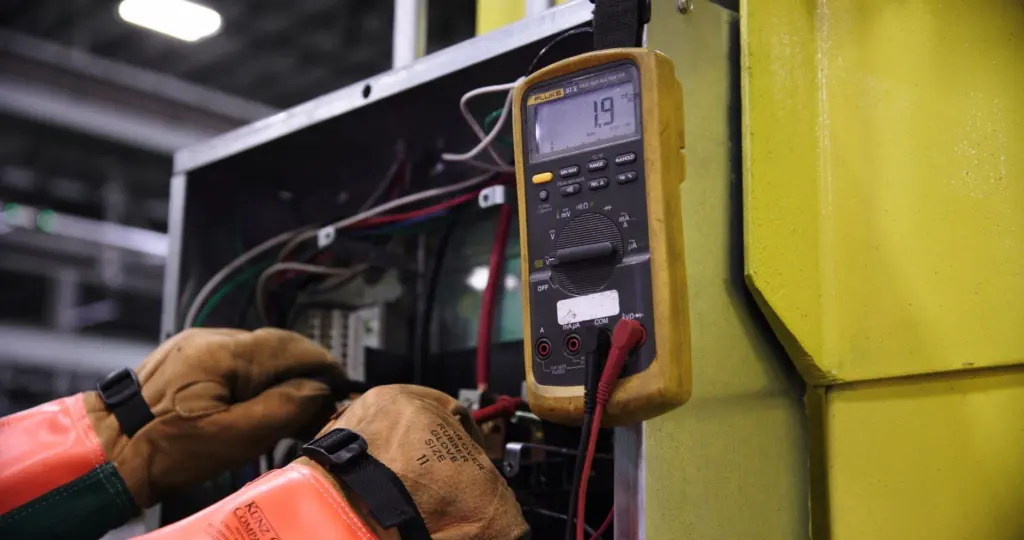
The electrical side often drives upgrade cost, and it is the part to settle before ordering. Hybrid units carry electric elements alongside the heat pump, so the circuit, breaker and panel capacity must suit the specific model’s nameplate and manual, not just the old heater’s wiring.
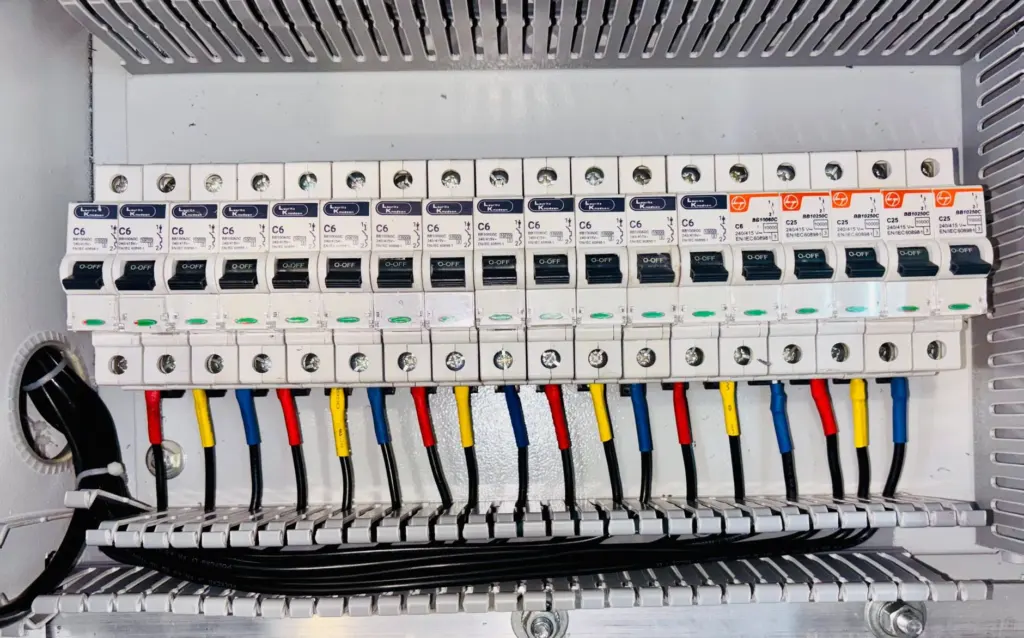
Ask a licensed electrician to review the panel, the available breaker space and the run from the panel to the unit before you buy. If the existing circuit already serves an electric tank, it may need only verification; if the old heater was gas, a new circuit is likely to be part of the job.
Federal incentives and rebates
The federal residential 25C tax credit is the incentive most often tied to heat pump water heaters. Rheem’s explainer names it but does not give an amount, so confirm current eligibility, limits and any required product criteria in IRS guidance on the energy efficient home improvement credit before you commit.
Utility and regional rebates are separate and often have their own product lists. One example is a requirement that a unit be listed as Tier 2 or higher on NEEA’s Advanced Water Heater Specification Qualified Products List, as stated on Midea’s product page. Check a model’s listing before purchase, because the cheapest unit may not qualify.
If something goes wrong after installation
- Hot water runs short: compare the model’s first hour rating with household peak demand, and confirm the unit has not been set to rely mainly on its backup elements.
- Room feels cooler or the unit runs often: this is the expected effect of heat extraction. If it is a problem in that space, ask the installer about relocating the unit or following the manual’s air-handling options.
- Bills fall short of expectations: a cold room that pushes the unit onto its elements gives the weakest savings, so check the installed location first.
Frequently asked questions
Is the manufacturer’s “up to 75%” energy saving realistic for my home?
Treat it as a ceiling. Midea advertises saving up to 75% versus conventional electric water heaters, with an asterisk, and results depend on the room, the hot water demand and how often hybrid elements run. Use the rated efficiency on the label for planning.
Are water heater efficiency standards changing?
The U.S. Department of Energy has proposed new residential water heater standards that would apply to new models starting in 2029, according to ASPE’s summary. The same report says heat pump replacement at the proposed levels would save consumers money over the life of the appliance. These are proposals, not a reason to delay a needed replacement.
How much of household energy goes to water heating?
Water heating accounts for roughly 13 percent of both annual residential energy use and consumer utility costs, per the ASPE report on the DOE proposal. That makes it a meaningful, but not dominant, upgrade target.