
Quick answer: Home energy efficiency tax credits lower your tax bill when you file Form 5695, while DOE rebates cut the purchase price up front. Check your income against area median income first, then claim any credit on the cost you still pay.
Credits and rebates follow different rules, so the order of decisions matters. If you are still planning the wider project, how to build a green home sets out the retrofit and building options these incentives sit alongside.
Choosing your starting point
Start with three facts about your situation: whether the house already exists, what equipment you plan to buy, and where your household income sits relative to your area’s median. Those answers decide which incentive comes first.

- Existing home, qualifying equipment. The Energy Efficient Home Improvement Credit applies to an existing home that you improve or add onto, not a new home. It suits owners who will have a tax bill to apply it against and who buy equipment that meets the efficiency requirements.
- Lower household income. The Treasury explainer says HEAR eligibility is limited to households below 150 percent of AMI, and households at or below 80 percent of AMI are eligible for larger rebates. If you fall under those lines, look at the rebate first, because it lowers the cost before any credit is worked out.
- Whole-home upgrade with modeled savings. The HOMES rebate rewards a package of work whose predicted savings reach a set threshold, so it suits larger projects rather than a single appliance swap.
- New construction. Neither route fits. For a new home, how to build an eco friendly house is the better place to plan efficiency from the start.
Tax credit versus rebate at a glance
| Criterion | Tax credit (25C) | DOE home energy rebates | Planning use |
|---|---|---|---|
| How the value reaches you | Reduces tax owed when you file | Reduces the purchase price | Plan cash flow for the full cost, since the credit comes at tax time |
| What triggers eligibility | Product meets efficiency requirements, such as the CEE highest tier or at least 75% thermal efficiency for heat pumps | HEAR: household income below 150 percent of AMI. HOMES: modeled savings of at least 20 percent | Check equipment ratings for the credit and household income for the rebate |
| Eligible homes | Existing homes, not new homes | HOMES covers rented, single-family or multifamily homes, but not new construction | Both programs are for retrofits |
| How you apply | Form 5695 with your return | Through the rebate program, not your tax return | Separate paperwork tracks for each |
| Tax treatment | A credit against tax | Treated as a purchase price reduction, not income | A rebate does not add to your taxable income |
These comparisons draw on the IRS guidance on the energy efficient home improvement credit and the Treasury explainer on DOE home energy rebates.
The Energy Efficient Home Improvement Credit
The Energy Efficient Home Improvement Credit, also called the 25C credit, was expanded by the Inflation Reduction Act, including by increasing the maximum credit amount. Dollar caps differ by upgrade category, so confirm the current figure for each category on the IRS page before you set a budget.
Heat pumps and biomass equipment
Per the IRS, heat pumps and biomass stoves and boilers qualify when they have a thermal efficiency rating of at least 75%. Qualifying property must also meet the Consortium for Energy Efficiency (CEE) highest efficiency tier in effect at the start of the year it is placed in service, not counting any advanced tier. Confirm the model’s rating before you sign a contract, because a unit that misses the tier will not earn the credit.

Electrical components and panels
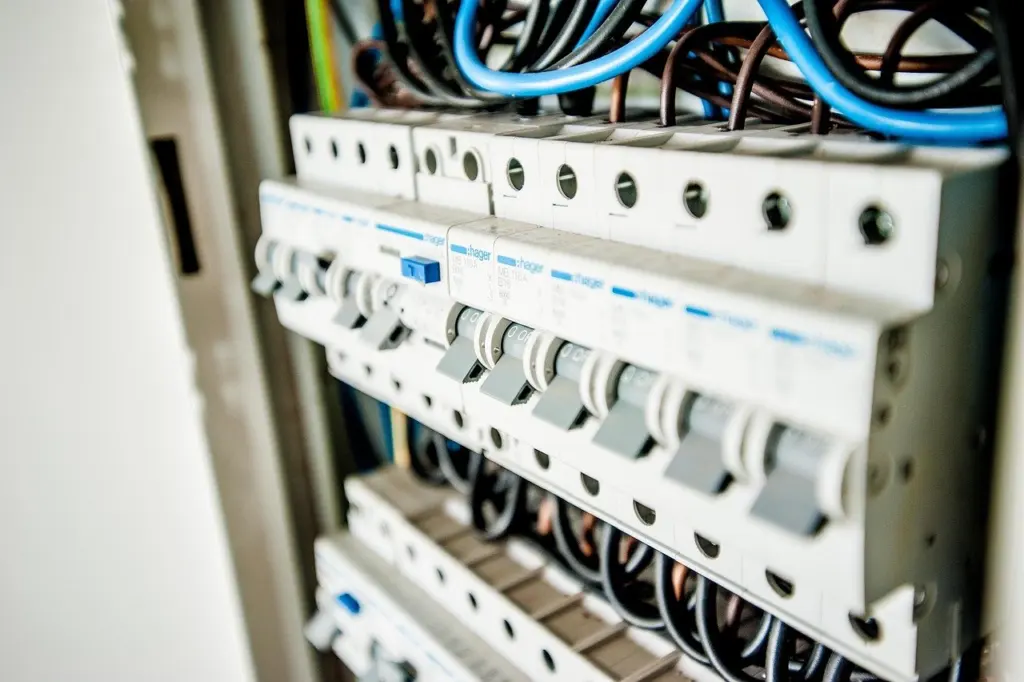
The IRS also allows the cost of certain electrical components needed to support the residential energy property, including panelboards. The panel must meet code and have a capacity of 200 amps or more. A panel upgrade matters when you are adding a heat pump to a home whose service is already stretched.
What costs count
Eligible costs may include the labor for installation, so keep the installer’s invoice alongside the equipment receipt. ENERGY STAR maintains a tax credits page for residential energy efficiency with eligibility guidance, which is a practical place to check a product before buying.
HEEHRA rebate eligibility
The HEAR program, the home electrification rebates often called HEEHRA, is the DOE rebate aimed at lower-income households. Eligibility is limited to households below 150 percent of area median income (AMI), and those at or below 80 percent of AMI are eligible for larger rebates. Because the thresholds are tied to your area’s median, the same household income can qualify in one county and not in another.
The companion HOMES program works differently. The predicted energy savings of the upgrade must reach at least 20 percent, and the program covers rented, single-family or multifamily homes but not new construction. It rewards a planned package of work rather than a single product.
Treasury describes rebates as reductions in purchase price, so they come off what you pay rather than arriving through your return. The application route, forms and per-appliance amounts are set by the program in your state, so contact your state energy office before you order equipment to confirm how to apply.
State and utility rebates for heat pumps
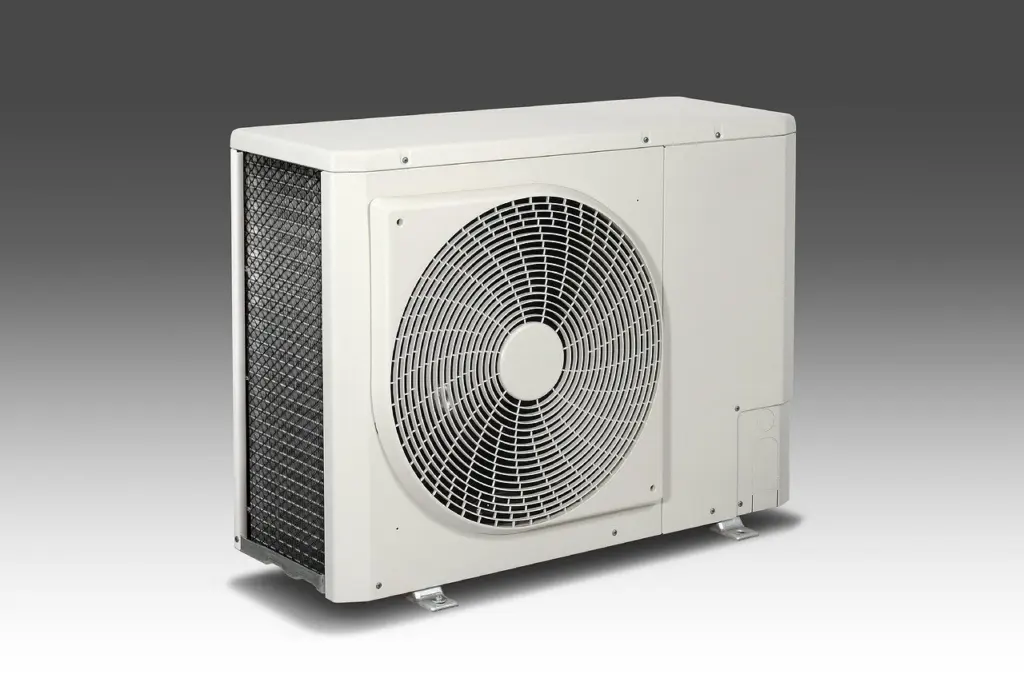
Federal funding for the DOE rebates is only part of the picture. State programs and your electric utility may offer their own heat pump incentives, and availability, amounts and deadlines vary by location. Start with your state energy office and your utility’s website, and treat any program as open only after you have read its current terms.
A utility rebate is a separate arrangement from the federal rules. Treasury’s stacking limits address federal rebates and grants, so the utility’s own terms are what tell you whether its rebate can sit alongside other incentives. Ask in writing before you commit, especially if you also plan to use a DOE rebate.
Combining a credit with a rebate
You can pair a rebate with the tax credit, with firm limits. Treasury states that the HOMES and HEAR rebates cannot be combined with each other, nor with other federal grants for the same upgrade. A federal rebate, or a rebate and tax credit together, also cannot exceed the total cost of the home improvement project.
The credit is figured on what remains after the rebate. In Treasury’s example, a homeowner claims a 30 percent 25C credit on the remaining $1,000 after a HEAR rebate, producing a $300 credit. In a second example, the 25C credit comes to $540 for the heat pump and $360 for the insulation, both calculated on post-rebate costs.
In practice, do not count the full invoice when you estimate your credit. Subtract any rebate first, then apply the credit to the remainder.
Claiming the credit on Form 5695
You claim the credit by filing Form 5695, Residential Energy Credits, with your tax return for the year the property is placed in service. Follow this order.
- Confirm the product. Check the efficiency requirements for your category before buying.
- Collect records. The IRS strongly recommends keeping purchase receipts and installation records, along with any Energy Star or NFRC labels. They are not filed with the return, but you may need them later.
- Subtract any rebate. Work from the cost you actually paid after the rebate.
- Complete Form 5695. Enter the eligible costs and carry the result to your return.
Troubleshooting common problems
- Rebate and credit seem to overlap. Recalculate the credit on the cost after the rebate, and keep both documents together so the totals can be reconciled.
- You were offered two federal rebates for one upgrade. Choose one, since HOMES and HEAR cannot be combined for the same work.
- Your income is close to a threshold. Ask your state program how it measures household income against AMI before you rely on the larger rebate. Your project timeline may depend on the answer.
- The product label is missing. Ask the installer or manufacturer for documentation showing the rating, then file it with your receipts.
- You are renovating more than the mechanical systems. Finish choices such as eco friendly flooring options are worth planning in parallel, but keep their invoices separate from the equipment you claim.
Frequently asked questions
Does installation labor count toward the credit?
Yes. The IRS says costs may include labor for installation, so list it with the equipment cost.
Is a DOE home energy rebate taxable income?
No. Treasury says DOE rebates are treated as reductions in the purchase price rather than as income for tax purposes.
How much funding backs the DOE rebate programs?
The Inflation Reduction Act allocates $8.8 billion to the DOE Home Energy Rebate programs. Whether money is available to you depends on how your state runs its program.
Where can I check whether a product is likely to qualify?
The ENERGY STAR site has a tax credits page for residential energy efficiency with eligibility guidance. Compare the model against the IRS requirements for your category before purchase.