
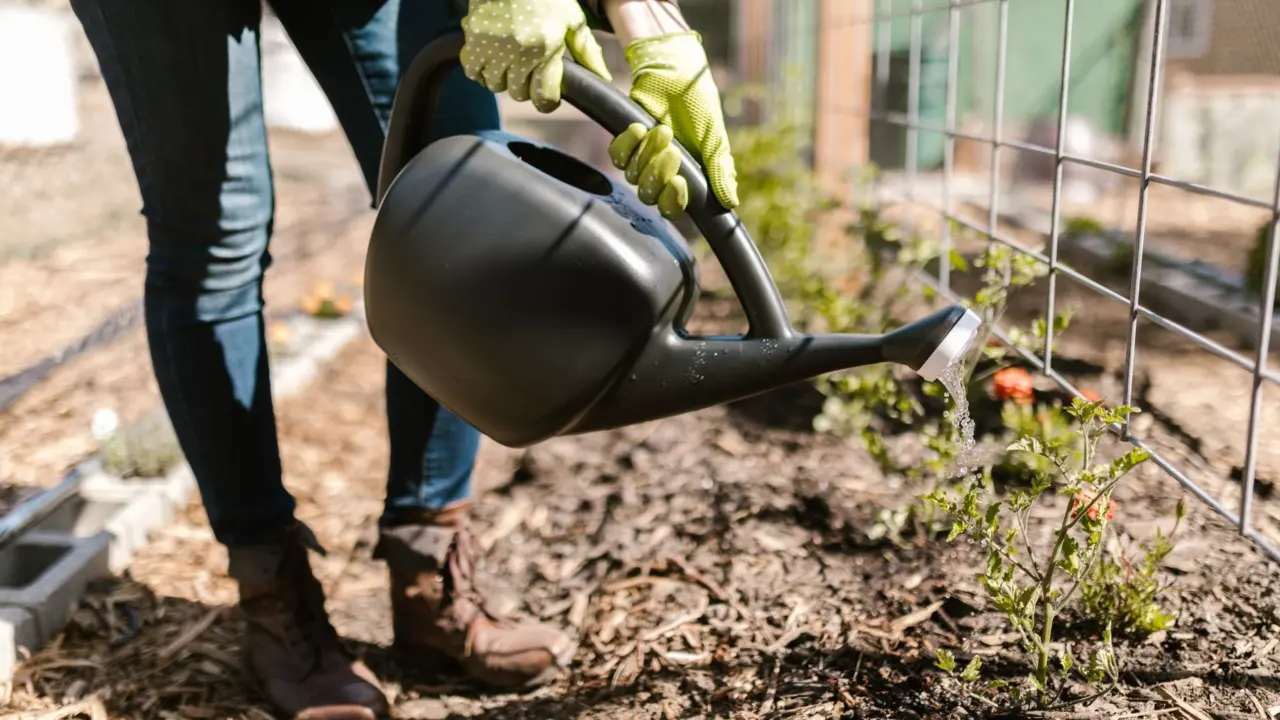
The best greywater system for home use, for most households, is a laundry-to-landscape setup. It is gravity-fed, needs the least plumbing change and usually faces the lightest permit route. It suits a washer with plantings nearby; check local rules before you buy parts.
Water reuse is one piece of the bigger question of how do homes contribute to climate change. This guide covers the practical side: which system types need permits, what they cost, and which fixture and lawn changes sit alongside them.
Where household water goes
Outdoor watering and drain water from washing are the two biggest reuse opportunities. Valley Water, the Santa Clara County utility, says about 50% of all water is used in the landscape and that up to 60% of a home’s indoor water use may become greywater. The Green Building Alliance puts the greywater share of residential water higher, at between 50% and 80%, and reports that the average person in the United States uses 70 gallons of water every day.
Greywater is lightly used water from clothes washers, showers, bathtubs and bathroom sinks. Reusing it on the landscape replaces water you would otherwise draw for irrigation. Total household demand is also one input into the wider footprint discussed in what is the carbon footprint of a house.
How to choose a system
Five criteria separate the options, and none of them is about plant performance. Weigh them in this order.
- Legal route. Simple gravity systems are treated more lightly than designs with pumps, storage or treatment. Your state and local health authority decide which category you fall into.
- Plumbing disturbance. A system that diverts water at the machine is less invasive than one that taps into drain lines.
- Delivery method. Gravity-fed outlets have fewer parts to fail than pumped or filtered designs.
- Cost. Materials costs run from a couple of hundred dollars to well into five figures, and the gap tracks complexity.
- Fit with your landscape. Water has to reach plants by gravity or by the machine’s own pressure, so the planting area’s position matters as much as the hardware.
Greywater systems from simplest to most complex
The order below follows the cost ranges and plumbing involvement reported by the utility and building-industry sources. It is not a ranking of how well each system performs.
Laundry-to-landscape system
A laundry-to-landscape system sends washing machine discharge outdoors to plants and needs no changes to the existing drain plumbing, according to the Green Building Alliance. Materials cost about $100-$250 for a do-it-yourself build. Valley Water reports that a contractor-installed system costs $1,500-$3,000 and that these systems save approximately 4,500 to 14,500 gallons per household a year.
It suits households with a washer close to a yard and trees or shrubs to water. The limit is scope: it only reuses laundry water, so showers and sinks stay on the sewer.
Branched drain system
A branched drain is also gravity-driven, with materials around $200-$400 according to the Green Building Alliance. The Occidental Arts and Ecology Center notes that in Sonoma County, California, this type needs a plumbing permit, while a laundry-to-landscape system needs none. Choose it only if you are prepared for the extra paperwork and plumbing work.
Pumped system
Pumped systems cost closer to $400-$700 for materials, per the Green Building Alliance. They suit sites where gravity cannot carry water to the planting area. In some places a pump takes the system out of the simplest regulatory category. Washington’s lowest tier, for example, does not allow pumps to convey the greywater.
Sand filter-to-drip and whole-house systems
Sophisticated designs such as sand filter-to-drip irrigation cost $7,000-$10,000 for full installation, according to the Green Building Alliance. Valley Water says a whole-house system may cost upwards of $15,000, before permitting and backflow-protection costs. These make sense mainly during a major renovation or new build. For most existing homes the cost is hard to justify against a simple laundry system.
Cost comparison
| System | Typical cost | Planning use |
|---|---|---|
| Laundry-to-landscape, do-it-yourself | $100-$250 materials | Cheapest entry point for a washer with a nearby garden |
| Laundry-to-landscape, contractor-installed | $1,500-$3,000 | Choose if you do not want to handle the valve and outlets yourself |
| Branched drain | About $200-$400 materials | Expect a plumbing permit in some jurisdictions |
| Pumped system | About $400-$700 materials | Only where gravity cannot reach the planting area |
| Packaged greywater kits | Various kits under $1,000 | Compare kit contents with local rules before buying |
| Sand filter-to-drip | $7,000-$10,000 full installation | Best reserved for renovation projects |
| Whole-house system | Upwards of $15,000, excluding permitting and backflow protection | Rarely worth it outside new builds |
Figures come from the Green Building Alliance and Valley Water; local labor and permit fees will shift the totals.
Diverter valve and mulch basins
A three-way diverter valve is the switch that makes a laundry system practical. The Green Building Alliance describes a valve switch that sends water either outside or to the sewer, so you can send water to the sewer whenever the garden does not need it. Install the valve so it does not compromise plumbing venting or cut into blackwater lines, as the Occidental Arts and Ecology Center cautions.
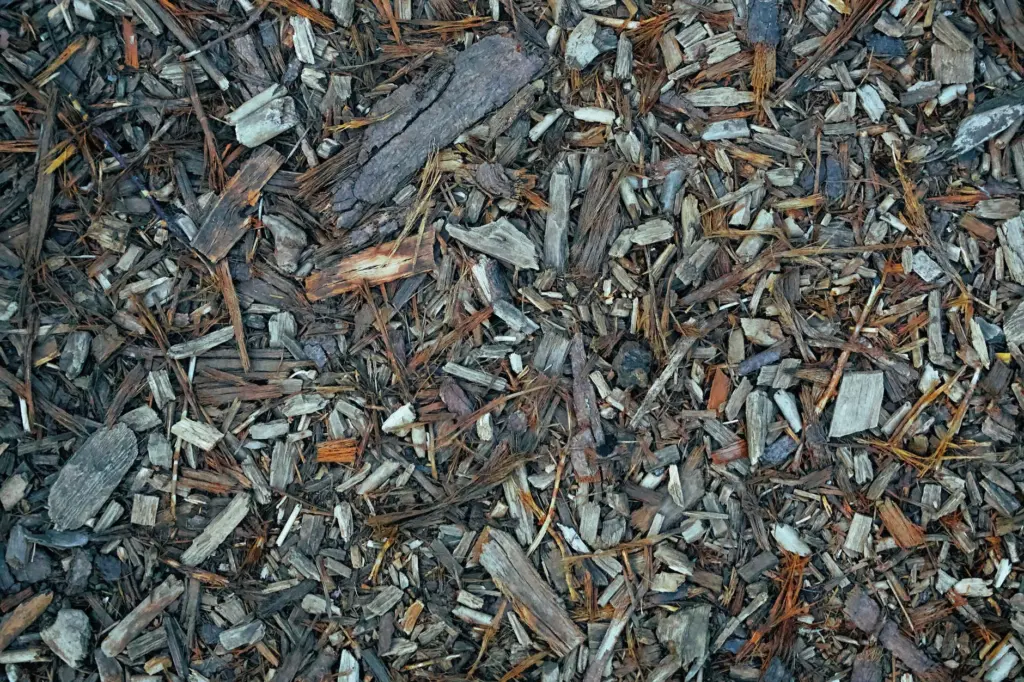
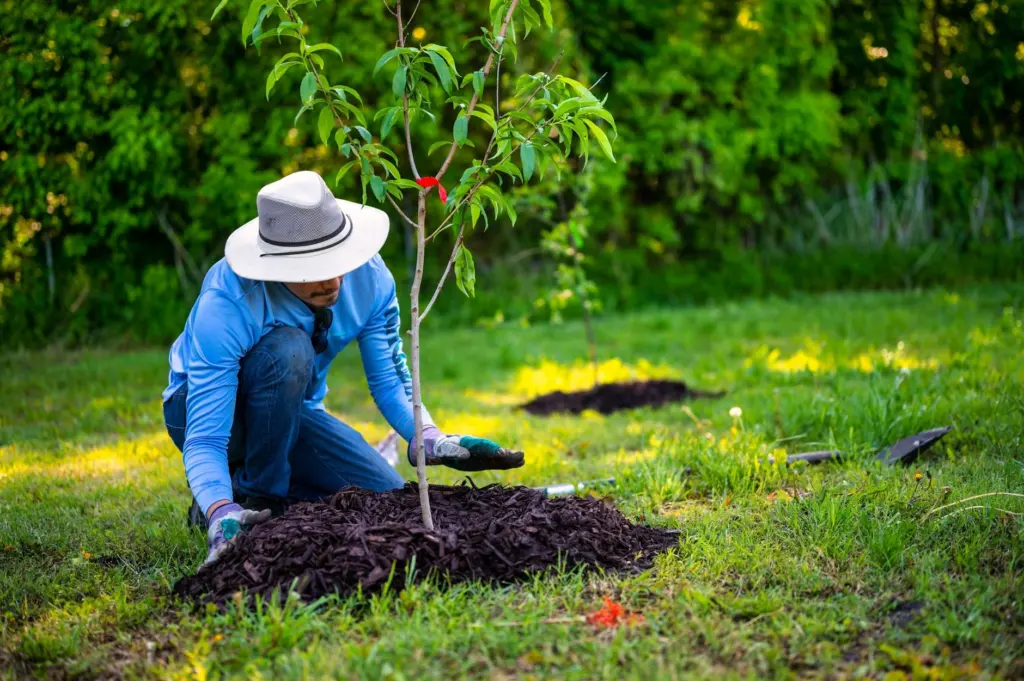
The outlet end should deliver water to a mulch basin protected by a mulch shield. Occidental’s field experience favored shields made from 5-gallon pots with the tops cut off in place of 1-gallon pots. The wider circumference spreads debris-laden discharge across more mulch. Washington’s lowest tier requires at least 4 inches of cover material such as mulch, humus or compost over the system.
Descriptions of the delivery method differ. The Green Building Alliance calls laundry-to-landscape and branched drain systems gravity-driven, while the Occidental center notes that the clothes washer’s own pump pressure distributes the water through the landscape. Where a state requires gravity delivery with no pumps, confirm with your local health authority how a washer’s discharge is treated.
Is greywater legal where you live?
Greywater legality depends on your state and often your county, so there is no single national answer. These examples show the range.
- Washington, lowest tier. Under state rule WAC 246-274-100, light greywater from a single-family residence may be gravity-delivered, not stored, and not pumped. Flow must be 60 gallons per day or less per system, with up to two systems and 120 gallons per day combined.
- Local rules can be stricter. The same rule requires owners to follow any more stringent regulations adopted by the local health jurisdiction.
- Sonoma County, California. Laundry-to-landscape systems need no permit, but branched drains require a plumbing permit.
- Pennsylvania. The Department of Environmental Protection does not issue permits for residential greywater use, so check what applies before you build.
Start with your state environmental or health agency, then ask your county. The simpler and smaller the system, the more likely it is to fit a light-touch category. Stored, pumped or whole-house designs are more likely to draw a permit.
Soaps and detergents for greywater
Greywater contains some soap and detergent, but Valley Water describes it as a safe and effective water supply for most landscapes. The Green Building Alliance adds that you should check the ingredients in soaps and detergents to prevent toxic substances from being leached into the soil.
In practice, choose laundry and bathroom products that list their ingredients, and avoid ones you cannot check. Keep the discharge to planted areas rather than letting it pool. Because a laundry system takes whatever goes into the washer, the products you buy become part of your irrigation plan.
Low-flow fixtures before greywater
Low-flow showerheads and faucet aerators reduce water use everywhere in the house, while greywater reuses water you have already paid for. Fixtures lower demand at the source, so they combine well with a reuse system. Treat fixtures as a first step. Less water used also means less greywater to irrigate with, so size your planting area to the supply you will actually have.
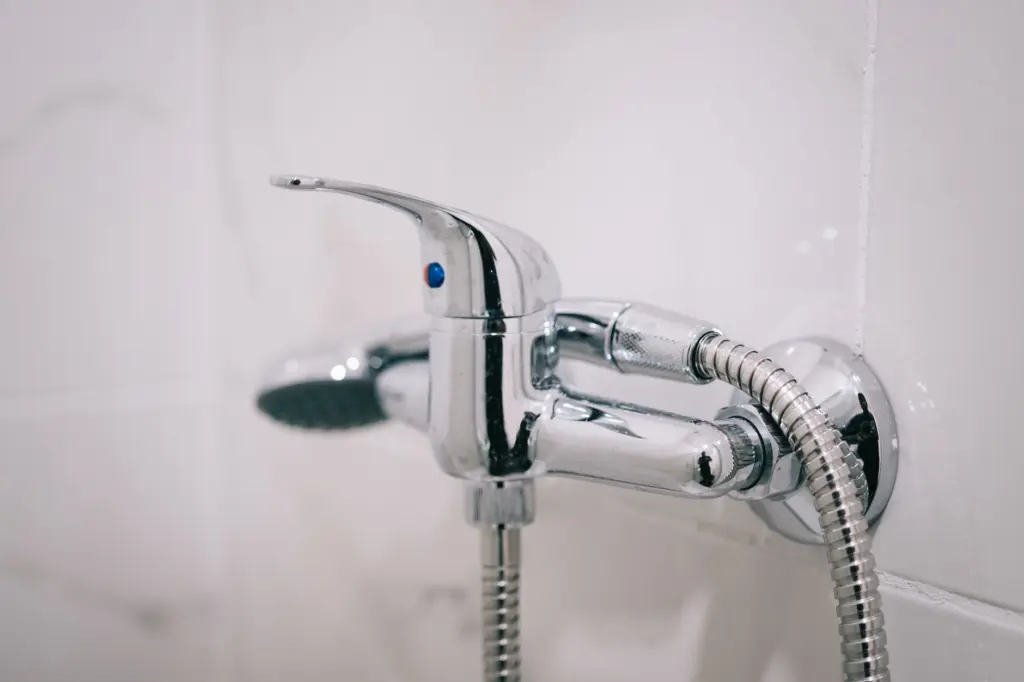
Compare flow ratings on the packaging when you replace a showerhead or aerator, and pick the lowest-flow model you find comfortable. The savings figure depends on how many people use each fixture.
Drought-tolerant lawn alternatives
Since about half of all water goes to the landscape, replacing thirsty lawn is often the largest single outdoor saving. Drought-tolerant groundcovers, gravel paths and mulched beds all cut the area that needs regular irrigation. Greywater then supports the trees and shrubs you keep, delivered through mulch basins rather than sprinklers.
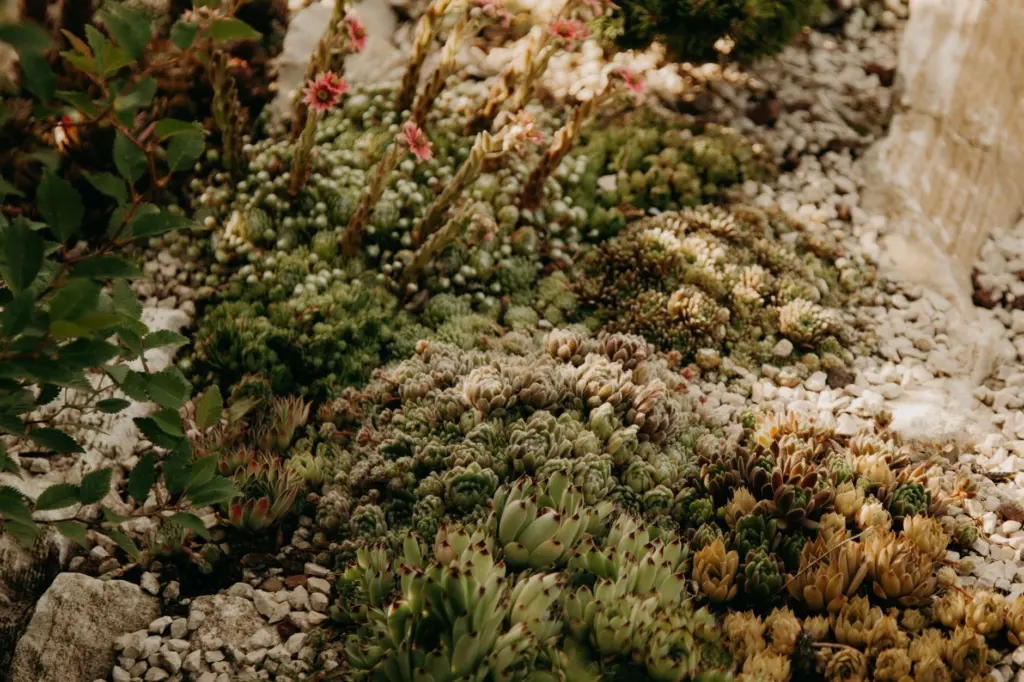
Convert in stages: start with the lawn nearest your outlet points, so any greywater has a planted destination. If you are also managing runoff, stormwater management for homeowners covers capturing rain on the same site.
Frequently asked questions
Which water counts as greywater?
Greywater comes from lightly soiled drains in laundry, showering and bathroom sink use. Toilet flushing and diaper washing never qualify, and Valley Water says kitchen sink drains are excluded in California.
Is there a rebate for a laundry-to-landscape system?
Valley Water, which serves Santa Clara County, offers a rebate of up to $400 for laundry-to-landscape systems. Check your own water utility for a similar program.
Can I install a laundry-to-landscape system myself?
Check local permit rules first and install the three-way valve without disturbing plumbing vents or blackwater lines.