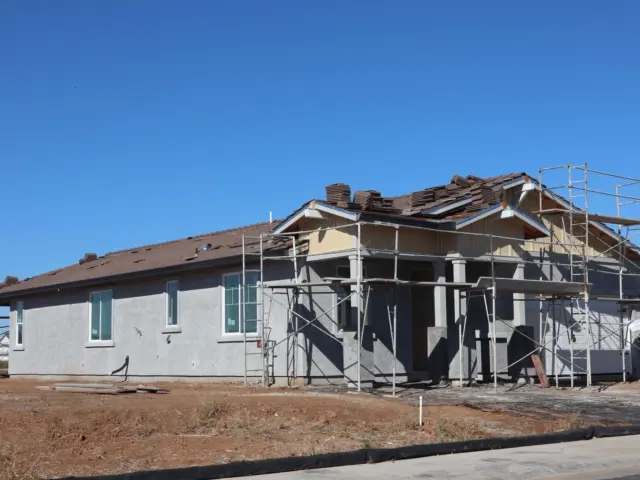
How does climate change affect homes? The growing frequency and severity of extreme weather puts houses under more flooding, heat, wildfire and ground-movement stress. Which hazard does the most damage depends on location and on how the building is made.
This overview sets the hazards side by side. For the opposite relationship, see how do homes contribute to climate change. To assess one address, see how to check climate risk for a house.
How a climate hazard becomes damage to a house
Climate change raises the odds that a house meets a damaging event. The Town and Country Planning Association (TCPA) points to the growing frequency and severity of extreme weather events due to climate change. Damage then follows a fairly predictable path.
- The hazard intensifies. Floods, heatwaves and fires arrive more often or harder than a house was designed for.
- The hazard reaches the building. Water enters from rivers, the sea or surface runoff, heat bears on roofs and walls, and fire spreads from land or neighbouring buildings.
- Materials react. Paint, siding, roofing, flooring and foundations each respond differently, as the sections below show.
- The interior and occupants are affected. Damp, mould and overheating turn a physical problem into a health problem.
The practical point is that each hazard attacks a different part of the house. Flood risk and heat risk need different responses, so they are treated separately below.
Flood risk
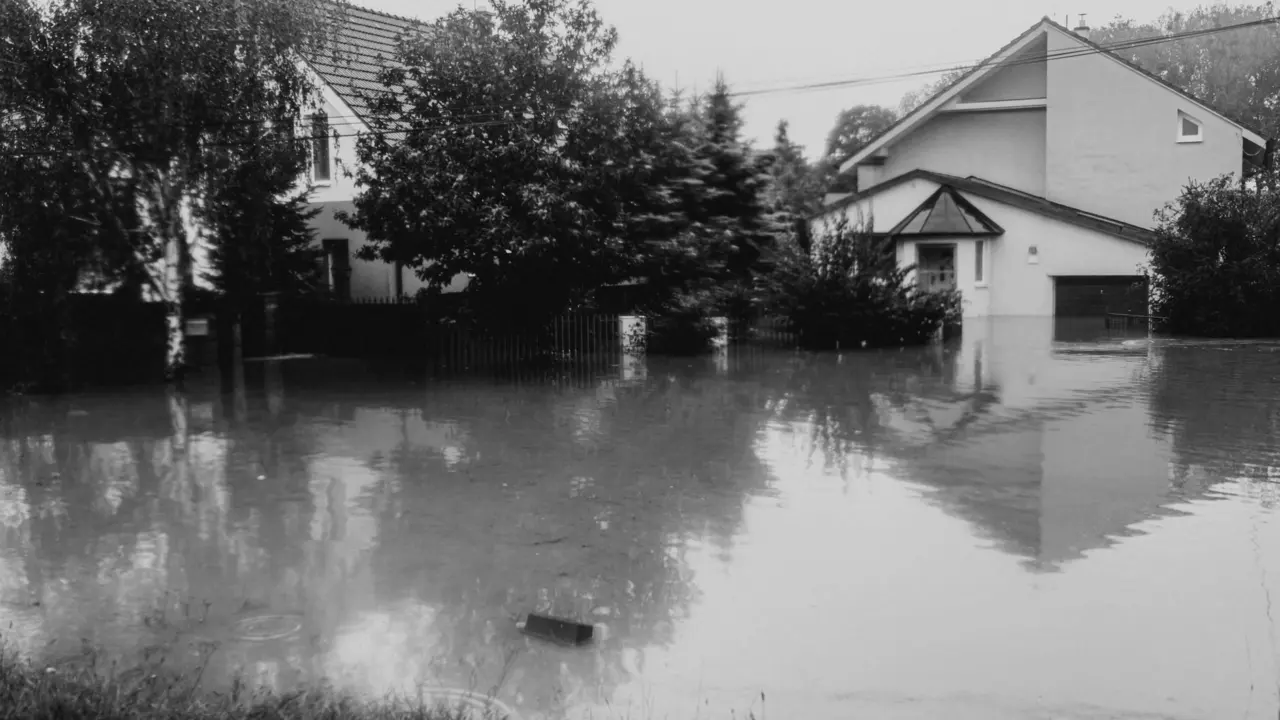
Flooding is the hazard with the largest counted exposure in the evidence. The Environment Agency estimates that 5.7 million properties in England are at risk of flooding. The same TCPA review reports increasing intensity and frequency of flood events, whether from rivers (fluvial), the sea (tidal) or surface water.
Flood damage does not end when the water drops. Flooding can exacerbate respiratory problems such as asthma and bronchitis because mould grows in damp homes. For a flooded house, drying and mould control are therefore as much a health matter as a repair matter.
Extreme heat
Heat harms the structure and the people inside it, and it often draws less attention than water. ClimateCheck states that extreme heat kills more people annually than any other type of weather disaster.
Damage to the fabric
ClimateCheck lists the effects on a house in some detail. Paint can bubble and chip, wood siding can shrink and crack, roofs can take a beating and foundations can shift. Intense solar exposure also damages wood, paint, roofing, carpets and furniture. Heat combined with humidity can challenge the structure and cause mould, mildew and termite problems.
Overheating inside
Around 20% of UK homes already overheat even outside heatwaves, according to the TCPA’s review. A house that overheats in an ordinary summer is the strongest warning sign. It is a reason to prioritise cooling measures. Appliance choices also matter, and which household appliances use the most energy is worth checking before adding cooling equipment.
Wildfire
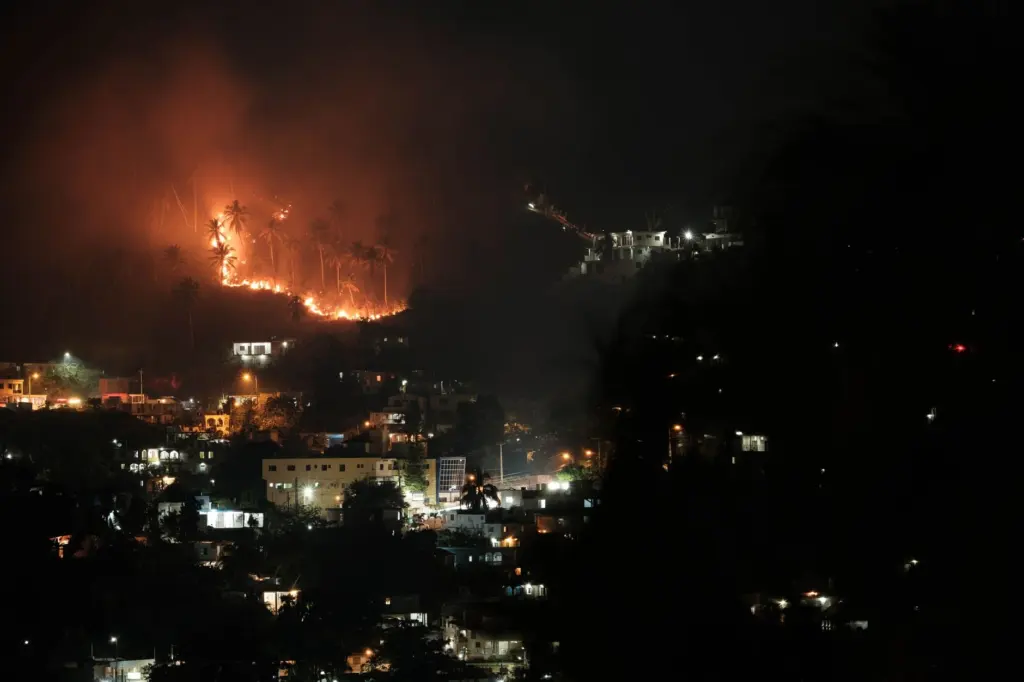
Wildfire is no longer only a rural concern. During the June 2022 heatwave, a dozen fires broke out across London and destroyed more than 40 properties. The TCPA also notes that heatwaves can extend the wildfire season into late summer and autumn, so the period of exposure grows as well as the intensity.
Homes near grass, scrub or woodland on dry ground deserve the most attention. Heat that dries out the surrounding land is what links this hazard to the previous one.
Drought and subsidence
Drought works on the ground beneath a house rather than on the house itself. Dry soil cracks, and ClimateCheck lists foundations that shift among the effects of extreme heat on a home. Foundation movement is among the hardest damage to notice early, because the first signs may look like ordinary cosmetic wear.
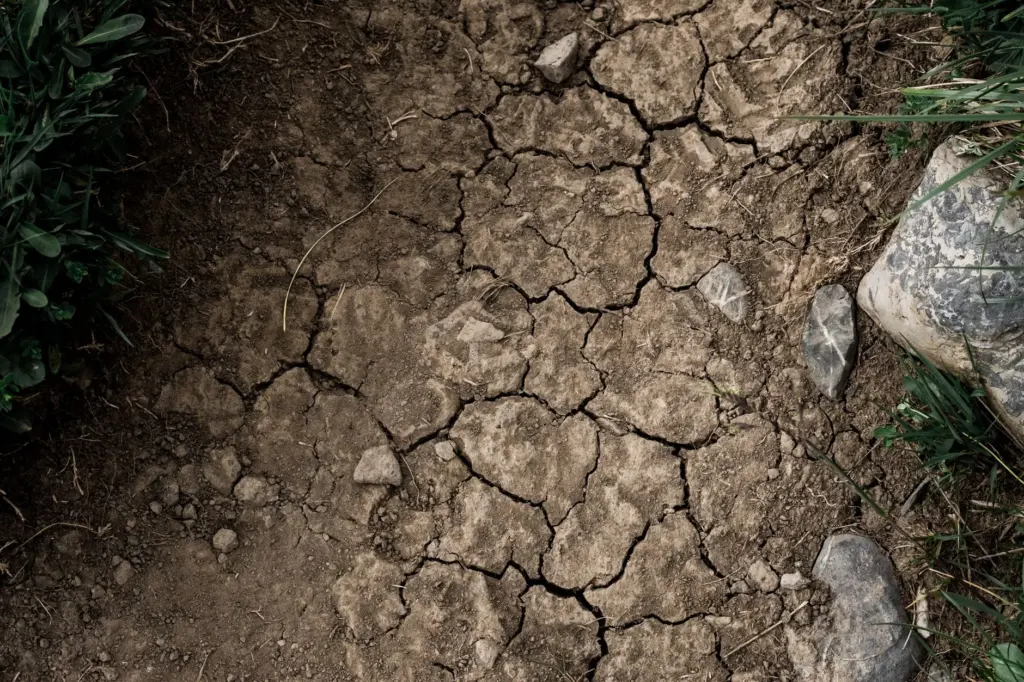
Because the evidence ties foundation movement to extreme heat, a long hot spell is the moment to look for new cracks around doors, windows and walls.
Storms and coastal exposure
Roofs and wind
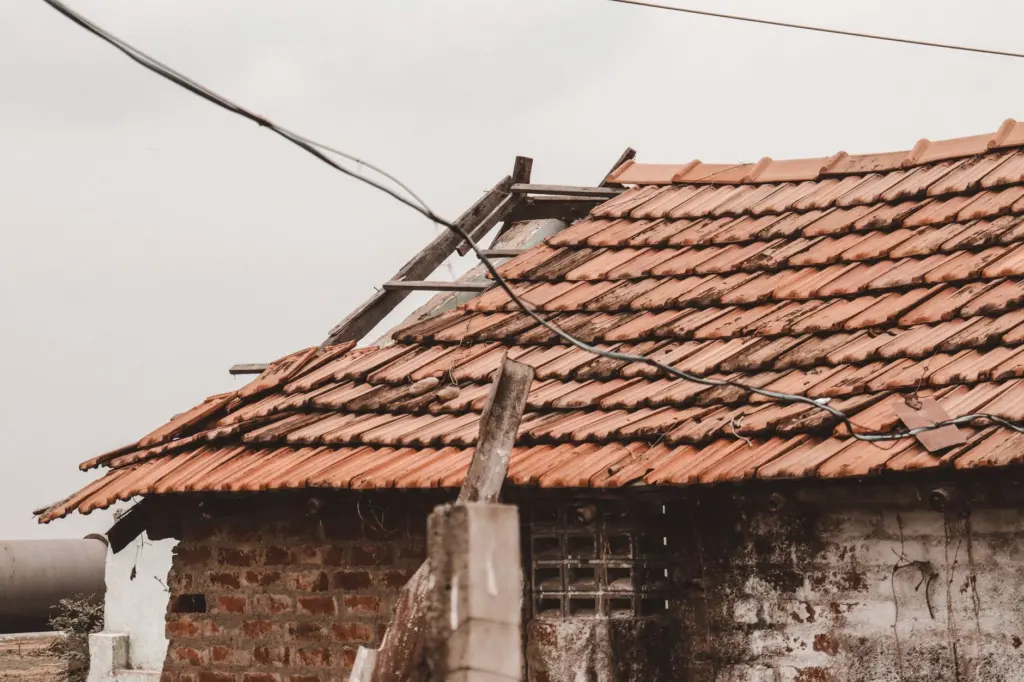
The roof meets storm wind and summer sun first. ClimateCheck lists roofs among the components that suffer in extreme heat, and the TCPA reports rising frequency and severity of extreme weather. A roof is a sensible first place to look for damage after any severe weather.
Shorelines and tidal flooding
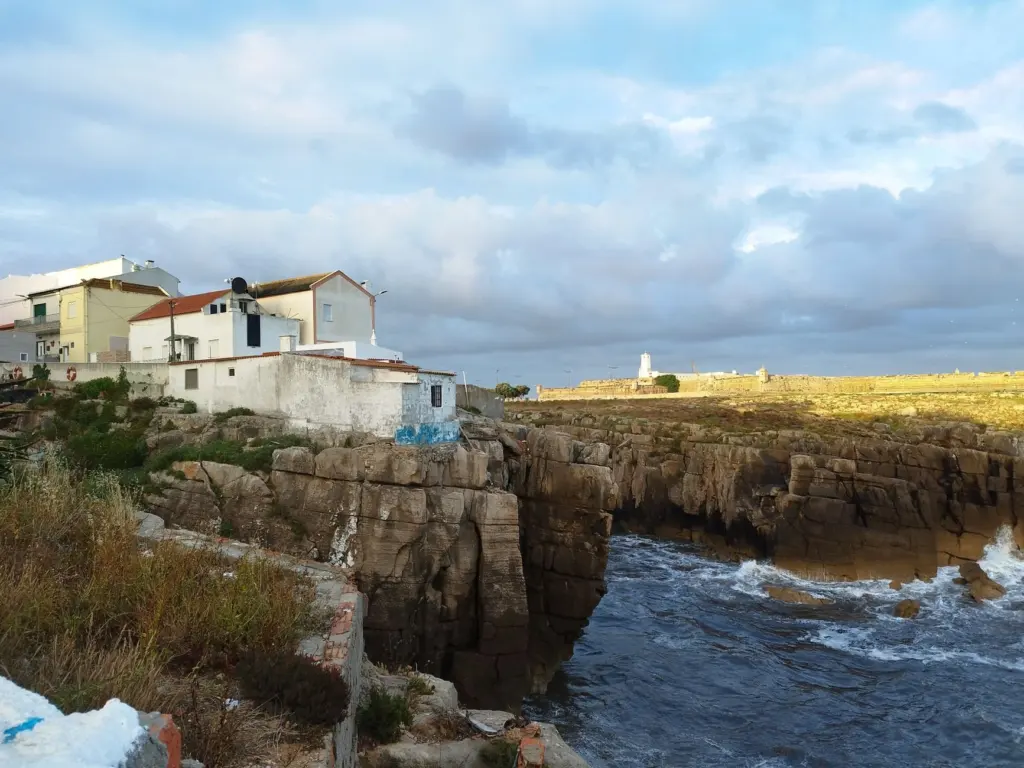
Tidal flooding is one of the flood types the TCPA names alongside river and surface water. A coastal address therefore adds sea water to the sources a house can face.
Comparing the hazards
The hazards differ in how they reach a house, what they damage and what the damage means for occupants.
| Hazard | What it does to a house | Planning use |
|---|---|---|
| Flood risk | Water enters from rivers, sea or surface runoff; damp homes grow mould that can worsen asthma and bronchitis. | Matters most for low-lying, coastal and runoff-prone addresses; drying and mould control follow every flood. |
| Extreme heat | Paint, siding, roofing and foundations deteriorate; interiors overheat; humidity adds mould and termite problems. | Applies almost everywhere; watch for overheating in ordinary summers. |
| Wildfire | Fire spreads from dry land to buildings and can destroy properties. | Matters most beside dry vegetation, and the season can run into autumn. |
| Drought and subsidence | Dry ground cracks and foundations can shift. | Check for new cracks after long hot or dry spells. |
Figures and effects are drawn from the TCPA review of climate-resilient homes and ClimateCheck’s heat guide for homeowners.
For sheer numbers of properties exposed, flooding leads. For harm to people, heat leads. Wildfire and ground movement are narrower in reach but severe where they occur.
How risk differs by region
Region changes which hazard dominates. Flooding has increased across Europe, with 50 of the 53 countries in the European region having experienced more of it over the last decade. Within a country, the built environment matters as well. ClimateCheck notes that densely built city areas with little green cover are prone to the urban heat island effect, which traps heat.
A house in a city centre therefore tends to face a different heat exposure from a rural house, while a coastal house adds tidal water and a house beside dry land adds fire. Local conditions, not national averages, should decide where to spend effort first.
Are the risks rising?
The evidence points one way. Extreme weather is becoming more frequent and severe, flood events are increasing in intensity and frequency, and heatwaves can extend the wildfire season. Rising exposure does not mean every house is affected equally, so the sensible response is to identify which hazards apply to a specific property and prepare for those first.
Frequently asked questions
Does home insurance cover heat damage?
According to ClimateCheck, most heat-related home damage is not insured unless it is connected to humidity issues. Policy wording is worth reading before relying on cover.
How much green cover helps against urban heat?
ClimateCheck recommends keeping a minimum of 25 per cent vegetation cover on a property, excluding the roof area, particularly in dense city areas that trap heat.
Are new homes built to cope with hotter summers?
Not necessarily. The TCPA reports that approximately 570,000 new homes have been built in England since 2016 without adequate adaptations to increased temperatures.