| Situation | Appliance or end use | Figure to know | Planning use |
|---|---|---|---|
| Cold-weather bills | Electric space heating | Largest impact on lowering on-site household energy use among the factors studied; heat pumps often deliver two to three times more heat per unit of energy than typical gas furnaces | Make heating the first upgrade question when a furnace is due for replacement |
| Cold-weather bills | Portable 1,500 W space heater | Up to $48 a month at eight hours a day | Use for one occupied room, not as whole-home heat |
| Hot water | Electric water heater | About $570 a year; water heating is around 18% of electricity usage | The biggest single appliance line for homes on electric hot water |
| Running all day | Older refrigerator | More than $200 a year for some older models | Measure an old unit before deciding to replace it |
| Running all day | Standalone freezer | Around $170 a year | Ask whether a spare freezer is earning its keep |
| Damp basements and humid rooms | Dehumidifier | Nearly $200 a year in electricity | Run it where moisture is a real problem, not by default |
Dollar figures are US running-cost estimates from EfficiencySmart’s appliance guide, and the heating findings come from Penn State research on residential energy use.
Which household appliances use the most energy? Space heating, space cooling and water heating are the three major end uses EIA tracks monthly; refrigerators, freezers and dehumidifiers add steady loads on top.
Readers who want the whole-home view can read how do homes contribute to climate change, while this list stays on individual devices and end uses.
Winter heating bills
If your bills climb in cold months, start with heating. EIA’s residential survey publishes estimates of energy consumption and expenditures by end use, and space heating is one of the end uses it breaks out for both electricity and natural gas. Homes as a group are a large slice of the national total: on-site residential energy accounts for approximately 21% of primary energy consumption in the country, according to Penn State.

Whole-home space heating
Penn State researchers analysed 41 household factors and found that using electricity for space heating had the largest impact on decreasing on-site household energy consumption. Part of the explanation is efficiency: modern heat pumps often deliver two to three times more heat per unit of energy than typical gas furnaces.
- Suits you if your gas furnace is near the end of its life. A replacement decision is the cheapest moment to compare a heat pump with another furnace.
- Wait if your heating system is recent and working well. The efficiency gain is real, but swapping a healthy system early is a bigger project than the other fixes in this list.
- Check first how the heating choice fits your wider plans. Heating is usually the largest piece of the puzzle in a what is a net zero home design, so it pays to treat it as part of one whole-house plan.
Portable electric heaters
A portable heater looks cheap to buy but can be costly to run. For an average 1,500-watt unit, it can cost up to $48 a month to run it eight hours a day. Treat that as a ceiling for heavy use, not a typical bill.
These heaters suit a single room that you occupy for part of the day, such as a home office. They are a poor substitute for central heating, because the cost builds quickly the more hours they run.
Climate shifts the balance between heating and cooling loads over time, which is part of the story in how does climate change affect homes.
Hot water and laundry
Hot water is the heavy hitter in this group, while laundry and dish machines depend far more on habits and models.
Water heating
Water heating accounts for around 18% of electricity usage in a typical home, and electric water heaters can cost about $570 to run annually on average.
EIA lists water heating among the end uses it estimates monthly, which confirms it as a core category of household energy use rather than a niche one (EIA residential consumption survey). The Penn State analysis also counted electric water heaters and other energy-efficient electric appliances among the choices associated with lower on-site household energy use.
- Act first if you rely on electric hot water and have never looked at the heater. It is a single, always-ready appliance with a large annual cost.
- Look elsewhere if your hot water comes from another fuel. The electricity figure then does not describe your bill, and your fuel use needs checking on its own terms.
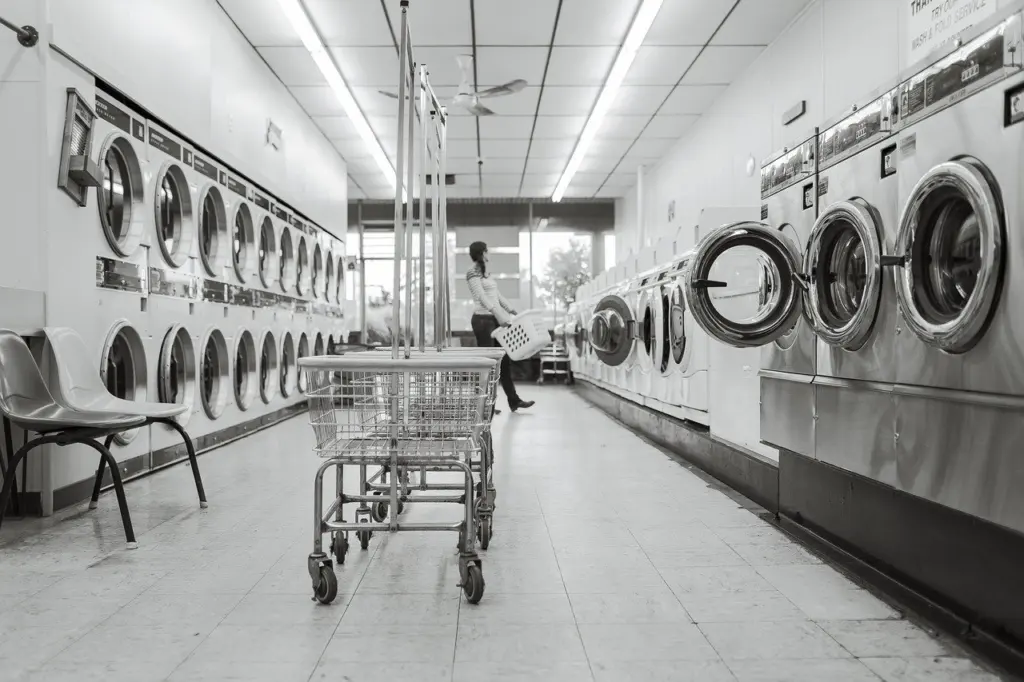
Dryers, washers, dishwashers and ovens
These appliances run in cycles rather than around the clock, so two things drive their energy use: how often you run them and how efficient the particular model is. A single typical figure hides large differences between households, so a published average is a weak guide to your own machine.
When buying, compare ENERGY STAR and manufacturer energy labels between models of the same size and type. For machines you already own, a plug-in meter on the dryer, washer or dishwasher gives a more useful answer than any average. Ovens are the exception on the meter front, as many are hard-wired; for those, an energy audit is the better route.
Appliances that run around the clock
Always-on appliances matter because their cost accumulates every day of the year, even when nobody is using them.
Refrigerator
Refrigerators and freezers run 24/7 to preserve your perishables. Age is the main warning sign: some older models can use more than $200 in electricity annually.
- Replace if your refrigerator is old and a meter reading confirms it is a heavy user. Compare energy labels on candidate models before buying.
- Keep it if the meter shows modest use. A working refrigerator is rarely worth replacing on a hunch.
Standalone freezer
A second freezer in a garage or basement is easy to forget. Standalone freezers can cost around $170 annually to run. If it is mostly empty, consolidating food into the main refrigerator-freezer and unplugging the spare removes that cost entirely.
Standby power
Standby power matters, but it is a lesser lever than heating or hot water. Devices that stay plugged in keep drawing energy when idle, and the practical fix is to unplug devices like computers or gaming systems when not in use.
That is a cheap habit worth building once the larger loads are handled. It pays most in rooms with several idle electronics, such as a media corner or desk.
Damp basements and humid rooms
Dehumidifier
A dehumidifier is easy to overlook because it is not a kitchen or utility appliance. Operating one can cost nearly $200 in electricity annually. That puts it in the same range as an older refrigerator.
It suits a basement or room with a genuine moisture problem. Run it where it is needed rather than leaving it on by default, and treat the cost as part of the price of managing a damp space.
Measuring your own appliances
Plug-in meter and energy labels
A plug-in electricity usage monitor sits between the wall socket and the appliance and records how much electricity the device uses. Use it on anything with a standard plug: a refrigerator, freezer, dehumidifier, portable heater, or the cluster of electronics behind a television. Leave it connected over a typical period of use so the reading reflects real habits rather than a single cycle.
Measured readings let you rank your own appliances instead of relying on national averages. Energy labels on new appliances help with the other half of the job: comparing models of the same type before you buy.
Home energy audit
Hard-wired appliances such as an electric water heater usually cannot be put through a plug-in meter. For those, and for heating, a home energy audit is recommended to find ways to optimise the home’s energy efficiency. An audit looks at the house as a whole, which complements the device-by-device view from a meter.
Frequently asked questions
| Question | Answer |
|---|---|
| How much energy does each major appliance use per year? | Published figures are usually running costs: around $170 a year for a standalone freezer up to about $570 for an electric water heater, per EfficiencySmart. Your own use depends on the model, its age and how you run it, so a meter gives the reliable figure. |
| Does standby power matter? | Yes, because plugged-in devices keep using energy while idle, and unplugging them when not in use avoids it, as Reliant advises. It is a small, low-effort saving next to heating and hot water. |
| Where do national end-use figures come from? | The US EIA’s Residential Energy Consumption Survey. Its 2024 edition covers an estimated 132.5 million homes occupied as a primary residence, and it publishes consumption and expenditure estimates by end use. |