| Term or feature | What the evidence supports | Planning use |
|---|---|---|
| Net zero energy home | Generates enough renewable energy to offset all of the home’s annual energy use | Judge it on the yearly balance, then check how efficient the house is before you rely on the label. |
| Zero energy ready home | Efficient enough that a renewable system could offset most or all of the home’s annual energy use | Treat it as a strong starting point that still needs a generation system to reach net zero. |
| DOE certification | Voluntary, not a minimum building energy code, and verified by a qualified third party | Ask for the verification paperwork, because a builder’s description is not the same as certification. |
| Federal tax credit | Up to $5,000 per home for homes acquired before July 1, 2026 | Time-limited and subject to change, so confirm eligibility before it enters your budget. |
| HERS Index | Industry standard measure of home energy efficiency; one builder reports a 52.04 average across 170 closings in 2022-2023 | Use a builder’s average as a sample only, and ask for the rating of the specific home. |
Definitions come from the US Department of Energy’s Efficient New Homes page, with the net zero and HERS figures drawn from a builder’s comparison of zero energy ready and net zero homes.
So, what is a net zero home? It is one whose renewable generation offsets its annual energy use. The annual balance is the test, and it does not by itself prove the house is efficient.
For the bigger picture, see our guide on how do homes contribute to climate change. This article stays on definitions and certification rather than retrofit steps.
Net zero energy, zero energy ready and net zero carbon
These labels sound interchangeable, but they describe different things. One describes an outcome measured over a year, one describes how ready a house is to reach that outcome, and one measures something else entirely. Mixing them up is the most common way a buyer ends up with a house that does not match the brochure.
Net zero energy versus zero energy ready
A net zero energy home produces as much energy on an annual basis as it consumes, according to the Zero Energy Project. Efficiency Vermont’s explanation of how to make your home net zero puts it as the balance between the power a home needs and the renewable energy you can generate.
Zero energy ready is a step earlier. The US Department of Energy describes a home built to its programme as one where a renewable energy system could offset most or all of the home’s annual energy use. The wording is “could” and “most or all”, which is a weaker promise than an actual net zero result. If you want the outcome rather than the potential, you need the generation system installed and the balance confirmed.

Net zero energy versus net zero carbon
Net zero energy is an energy tally: renewable output set against annual consumption. A carbon label would be measured in emissions instead, so ask which one is being claimed and how it was calculated. Our guide on how to reduce your home’s carbon footprint covers the emissions side.
The energy definition also has a catch. A builder explaining the difference notes that a net zero home is not necessarily an energy-efficient home, and that any existing home with a renewable system such as solar panels can achieve net zero status. A leaky, wasteful house with a large enough array can pass the annual test, but it has more consumption to offset. A house that is efficient first and renewable second is the more dependable version of the same label.
Certification and incentives
Certification is where the marketing language meets something checkable. The US Department of Energy says its Zero Energy Ready Home programme is now known as DOE Efficient New Homes, and that the old and new programmes remain substantively the same. Expect to see both names for a while, including on listings.
- Look for third-party verification. The DOE states that a certified home is verified by a qualified third party as part of the certification process, which is the difference between a certified home and one that is merely described as efficient.
- Do not expect a legal minimum. The programme is voluntary and is not intended to be adopted as a minimum building energy code, so a house can be code-compliant without meeting it.
- Check the tax credit before budgeting around it. The DOE lists a federal credit of up to $5,000 per home for homes acquired before July 1, 2026. It is time-limited and subject to change, so treat it as a possible bonus.
- Search under both names. Use the older zero energy ready wording alongside the newer Efficient New Homes name when comparing builders.
Grid electricity and onsite generation
Yes, a net zero home still uses grid electricity. Net zero is a balance over a year, not a promise that the house supplies every kilowatt-hour at the moment it is needed. When generation falls short, the house draws on the grid, and the yearly tally is what counts toward the label.
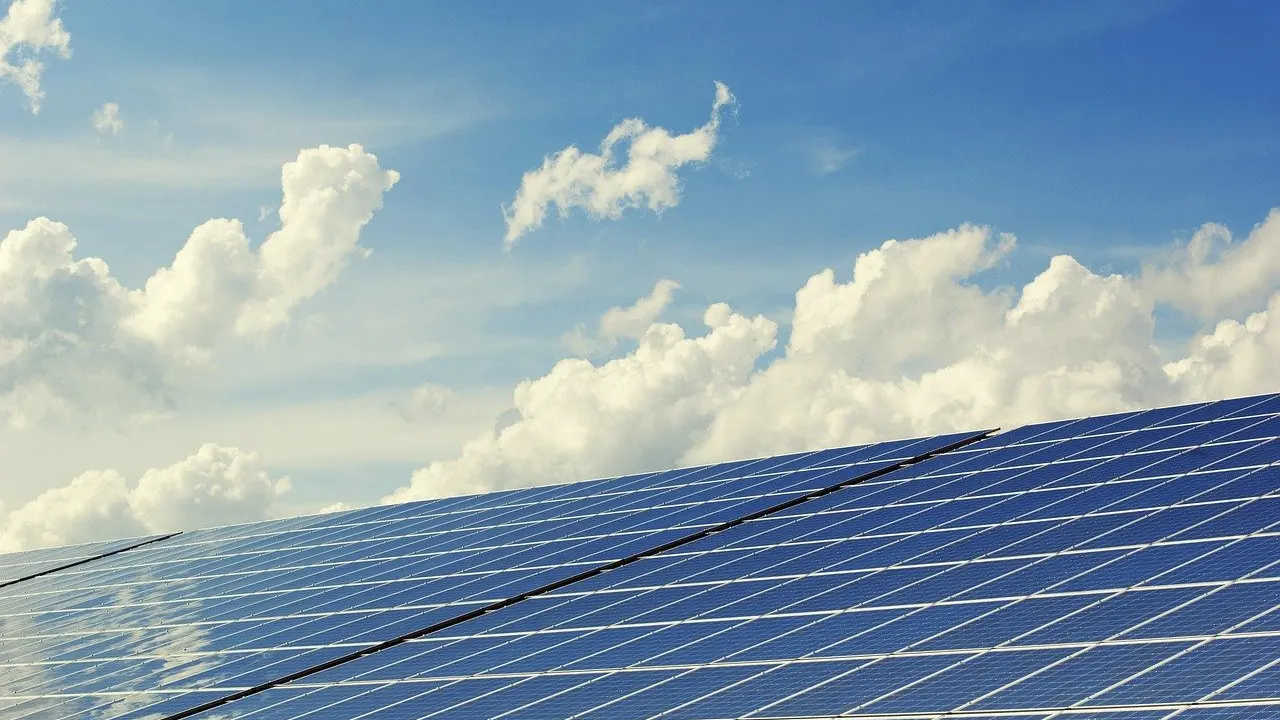
Onsite renewable generation, most often rooftop solar, is the half of the equation that makes the balance possible. That makes the size of the home’s own demand a practical question. Our breakdown of which household appliances use the most energy shows where that demand comes from, and every load you trim is one less thing the array has to offset.
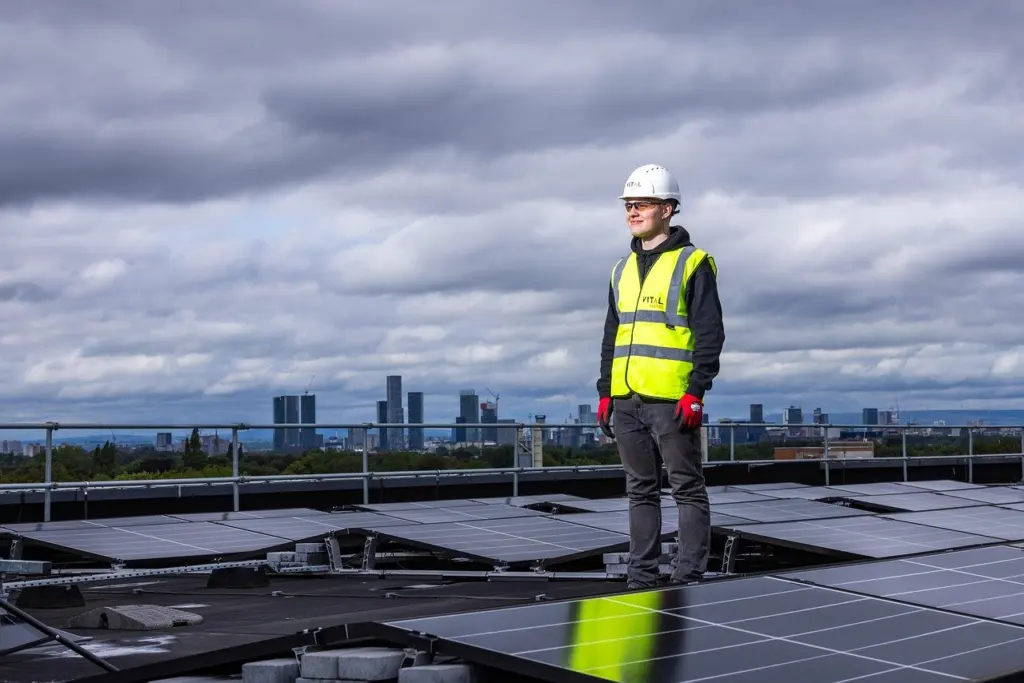
If you are comparing a house that is zero energy ready with one that is already net zero, ask whether a generation system is installed, and who owns it. The label only means something once the generation exists.
The building features behind the label
A net zero outcome starts with reducing demand. The builder’s explanation of zero energy ready construction points to three areas: advanced insulation, high-performance windows and comprehensive air sealing. These shrink the load that onsite generation has to cover.
Airtightness
Efficiency Vermont singles out air sealing as the measure that yields the greatest energy savings among those it lists, and says it also improves comfort. Airtightness is therefore the feature to ask about first. Certified programmes set airtightness targets, and the useful questions for a builder are what the target is for your home, how the result was measured, and whether it was verified independently.
- Insulation: ask what type and where, since it is one of the three core demand-reduction measures.
- Windows: high-performance glazing is part of the same package, so check what is specified rather than assuming it.
- Air sealing: request the airtightness result alongside the target it was held to.
Ventilation in an airtight home
A well-sealed house needs planned ventilation. Efficiency Vermont notes that weatherization and proper ventilation go hand in hand, so a sealed envelope should not be treated as a standalone upgrade.
The same source describes a fresh air system that distributes filtered fresh air throughout the home with high-efficiency heat recovery. The practical benefit is that the house gets fresh air without simply throwing away the heat it has already paid for. If a builder promises a tight envelope, ask what ventilation system comes with it.
Reading a HERS Index score
The Home Energy Rating System (HERS) Index is described as the industry standard for measuring a home’s energy efficiency. It is a rating of the house itself, which makes it a useful complement to the net zero label, since net zero says nothing about efficiency on its own.
One builder reports that its zero energy ready homes average a 52.04 HERS score across 170 closings in 2022-2023. That is a single company’s own figure over a particular period, so use it as an illustration of what a builder can publish, not as a benchmark for every zero energy home. When you are comparing houses, request each home’s own rating rather than a marketing average.
Frequently asked questions
Does a zero energy ready home come with solar panels?
Not necessarily. According to one builder, these homes do not come fully equipped with renewable energy sources initially, and they are wired and framed for future solar instead.
Is solar electricity cheaper than buying from the grid?
Efficiency Vermont says a photovoltaic system can deliver electricity at 60 to 70% of the cost of electricity you buy from the grid. That figure comes from a Vermont utility programme, so local prices will differ.
Can an existing home be net zero?
A builder’s explainer says any existing home with a renewable energy system, such as solar panels, can achieve net zero status. How easily it gets there depends on how much energy the house uses.
Which name should I search for when looking for certified homes?
Use both. The Department of Energy says the Zero Energy Ready Home programme is now known as DOE Efficient New Homes, and that the two remain substantively the same.