
Learn how to reduce your home’s carbon footprint on a budget by working in order of cost: cheap lighting and controls first, then sealing and insulation, then a heat pump, with rooftop solar last.
Picture a house with an ageing furnace, incandescent bulbs and a thermostat nobody touches. Replacing the furnace is the obvious headline move, but it is rarely the best place to start. The low-cost jobs pay back quickly and shrink the heating load, so a later heat pump can be smaller and work better.
Homes matter because the residential sector is responsible for 20 percent of US carbon emissions, an EIA figure cited by C2ES. Readers who want the background can start with the explainer on how do homes contribute to climate change. The wider building-stock picture is covered in how do buildings contribute to climate change.
How the measures are ranked
The order below weighs the likely emissions cut against what each step costs and how easily it can be done. The supplied figures are not like-for-like: some are energy savings, some are bill savings and one is tons of carbon. The ranking is therefore a judgement about value per dollar, not a calculated league table.
Two principles drive it. Measures that cut the energy a home needs come before measures that change how that energy is supplied. Low-cost steps come before capital purchases, because they reduce the size of the job left for the expensive ones.
| Measure | Supplied figure | Cost signal | Planning use |
|---|---|---|---|
| LED lighting | 25-80% less energy than an incandescent bulb (LED and CFL) | Replacing the five most-used fixtures with ENERGY STAR models can save up to $70 each year | Do immediately |
| Programmable thermostat | About 10% of the annual heating and cooling bill with a 7-10°F setback for 6-8 hours away | Start around $20 | Do immediately if the home is empty for part of the day |
| Insulating, sealing and weatherstripping | About 10% on energy costs | Varies with the house | Do before any heating replacement |
| Sealing and insulating heating ducts | Efficiency improved by as much as 20% | Varies with the house | Worth checking where ducts run through unheated space |
| Home energy audit | Acting on the findings could save 5-30% on the energy bill | 30% tax credit, up to $150 (DOE article dated May 30, 2023) | Use it to set the order of bigger jobs |
| Heat pump | Up to 7.6 tons of carbon emissions saved per year, depending on the equipment replaced | Up to 30% federal tax credit (DOE article dated May 30, 2023) | Biggest single cut; time it to the end of the old system’s life |
Figures come from C2ES’s home energy guidance and the US Department of Energy’s heat pump article; tax-credit terms were stated as of that article’s date, so check current rules before relying on them.
LED lighting
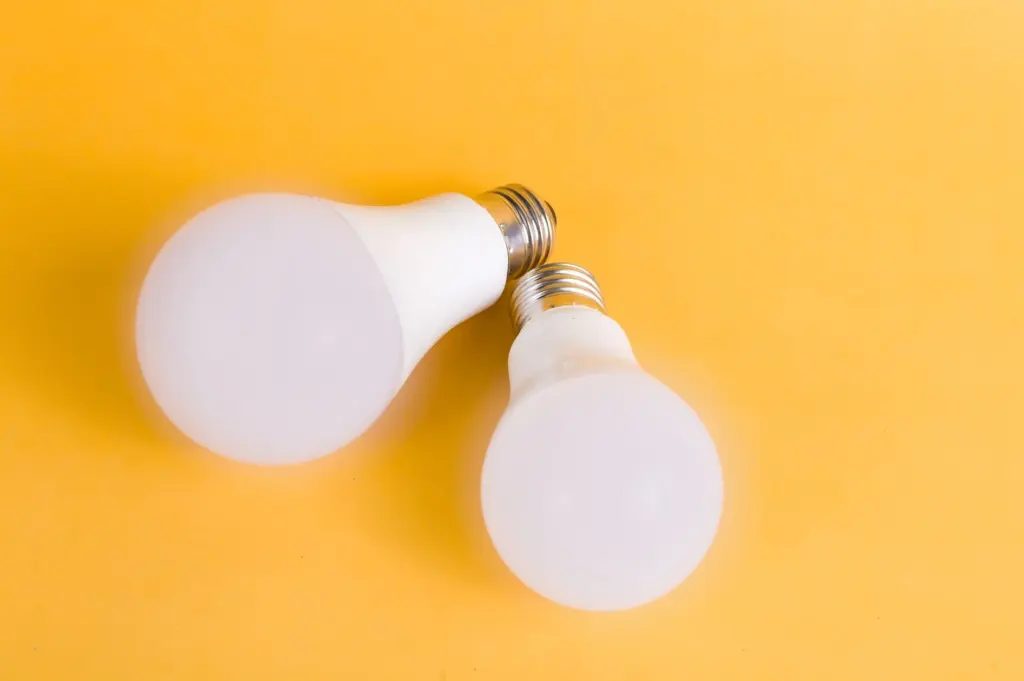
LED lighting is the cheapest, quickest swap on the list. C2ES reports that LEDs and CFLs use 25-80 percent less energy than an incandescent bulb, and that replacing the five most-used fixtures with ENERGY STAR models can save up to $70 each year.
It suits every household, including renters, because it needs no installer and no permission. The limit is scale: lighting is a small part of household energy, so treat it as the opening move rather than the strategy. Start with the fixtures you use most, since those return the most energy saving per bulb.
Programmable and smart thermostats
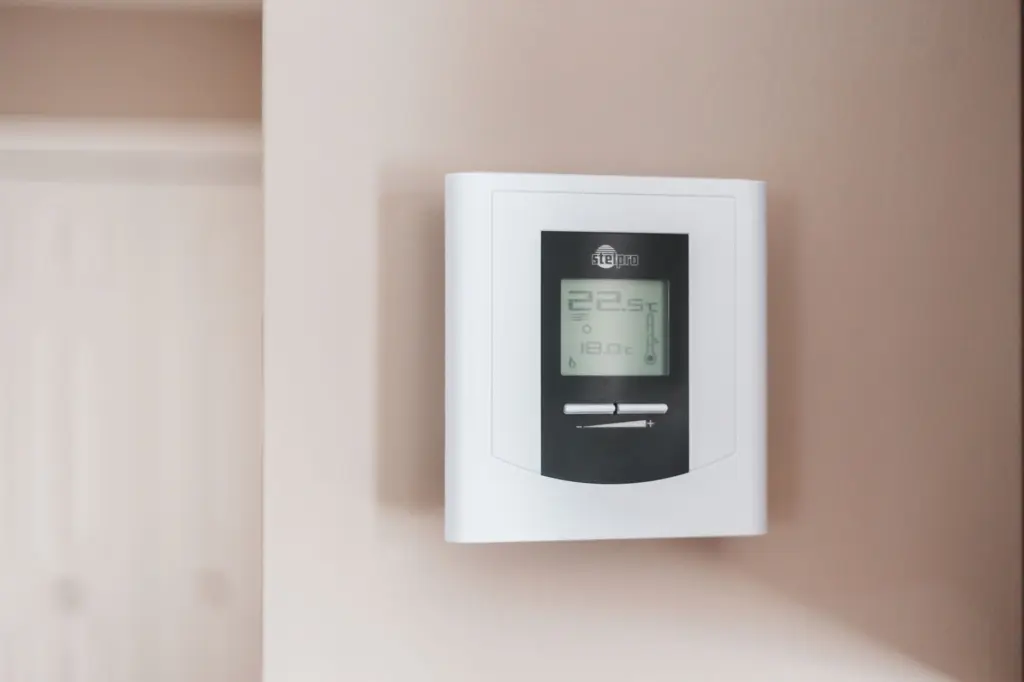
A thermostat is the cheapest way to control heating, the largest energy use in many homes. Programmable models start around $20, and C2ES says a 7-10°F setback for 6-8 hours while you are away can save about 10 percent on the annual heating and cooling bill.
This suits households with regular absences, such as a working week away from the house. It helps less in a home that is occupied all day, or where the heating cannot respond to a schedule. A smart thermostat adds remote control, but the saving comes from the setback itself, so a basic programmable unit is enough to capture it.
Draught proofing and duct sealing
Draught proofing stops heated air leaking out and cold air leaking in, so the heating works less. C2ES states that you can save 10 percent on energy costs by insulating, sealing, and weatherstripping around windows and doors.
Where warm-air ducts run through unheated space, sealing and insulating them can improve efficiency by as much as 20 percent. That is a ceiling, not a typical result, so treat it as the reason to inspect ducts rather than a promise of the saving.
This step suits almost every older home and is a sensible precondition for later heating upgrades. Do it before the audit if the leaks are obvious, such as gaps around doors and frames.
Energy audit
An audit decides the order of the bigger jobs, so it earns its place before major spending. C2ES notes that following an audit’s recommendations could lead to savings between 5 and 30 percent on your energy bill.
The Department of Energy’s article, dated May 30, 2023, described a 30% tax credit (up to $150) on a professional home energy audit. Confirm the credit is still available before booking.
An audit suits owners weighing a heat pump or insulation work, because it shows where heat is escaping. It is less useful if you have already sealed and insulated the obvious areas and only need to choose between heating systems.
Insulation
Insulation reduces the energy a home needs for heating and cooling, and emissions fall with that energy use. The supplied figures measure energy and efficiency rather than tonnes of carbon, so the carbon saved by insulation depends on how the home is heated now.
The Department of Energy is clear about the ordering with heating equipment. Upgrading a heating system without weatherization can undercut your efforts and eat into your potential savings. It adds that pairing weatherization measures such as insulation with a heat pump can help you save even more.
Insulation suits homes where the audit finds poorly insulated areas, and it is the step to finish before a heat pump is sized. If the home is already well insulated, move on rather than add layers.
Heat pump
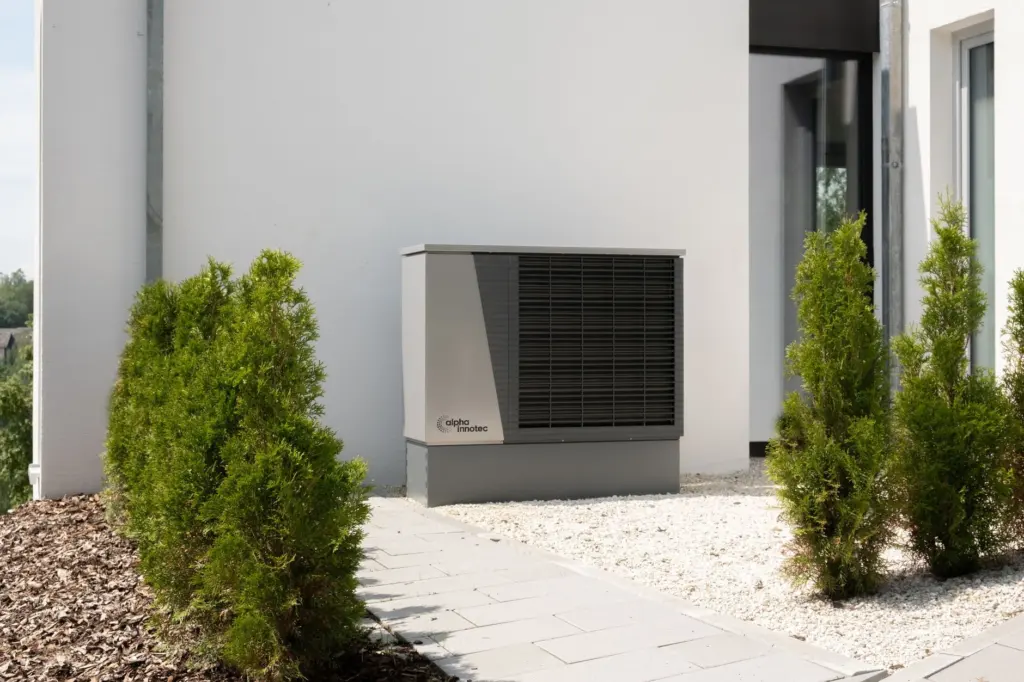
A heat pump is the largest single reduction on this list, and the one to plan around the life of your existing heating equipment. The Department of Energy says switching could save up to 7.6 tons of carbon emissions per year, with the result depending on what the heat pump replaces.
Modern air-source models can reduce electricity use by up to 50% compared with furnaces and baseboard heaters, and geothermal heat pumps can reduce energy use by 30%-60%. Savings on bills can average over $500 per year, depending on home size, climate and efficiency. The DOE article also stated a federal tax credit of up to 30% of the total cost of buying and installing a heat pump, as of its May 30, 2023 date.
The efficiency gap explains the result. Rewiring America gives heat pumps a coefficient of performance of 300-500%, against 95-98% efficiency for a top-of-the-line gas furnace.
So, is switching worth it for emissions? For most homes with fossil heating, yes, particularly when the old equipment is near the end of its life and the building is already sealed and insulated. Wait if the house is draughty or poorly insulated, because the savings shrink. If your existing system is new and efficient, the case rests more on bills and the credit than on a large carbon cut.
Rooftop solar
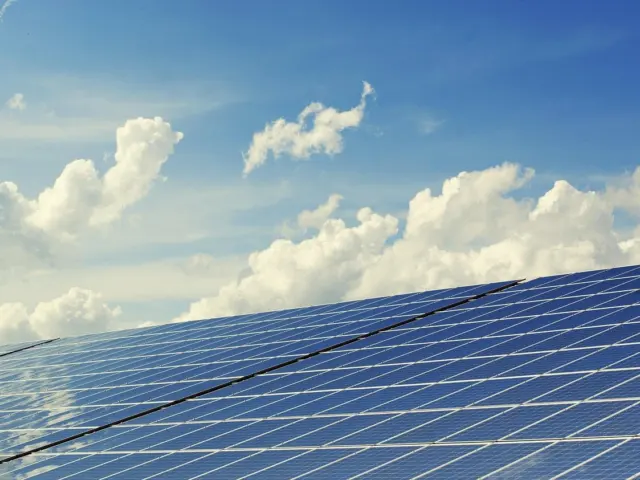
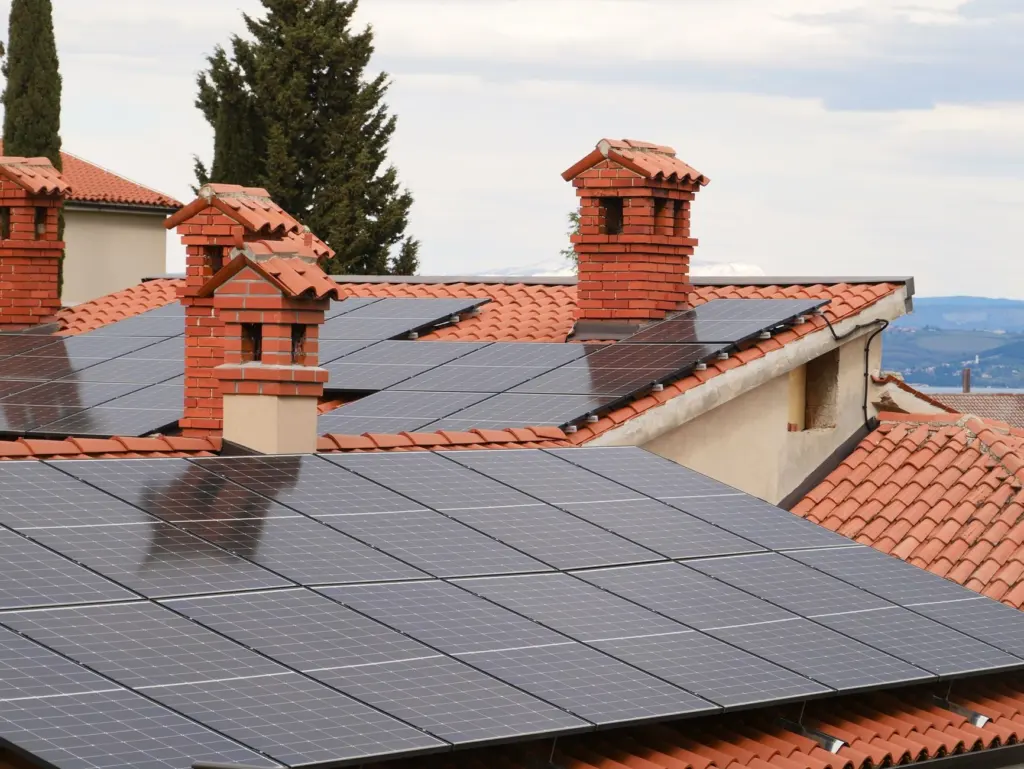
Rooftop solar comes last because it supplies energy rather than reducing demand. Panels generate electricity at the house, which suits households that have already cut their load and moved heating to electricity.
Buying panels before sealing, insulating and choosing efficient heating means sizing a system around waste. Roof orientation, shading and local conditions decide whether it fits, so get quotes once the earlier steps are done.
Decision checklist
- Swap the lighting. Replace incandescent bulbs, starting with the fixtures used most.
- Set a heating schedule. Fit a programmable thermostat and use a setback while the house is empty.
- Seal the leaks. Weatherstrip doors and windows, and check ducts that pass through unheated space.
- Book an audit. Let it rank the insulation and sealing jobs that remain.
- Insulate where the audit points. Finish this before choosing heating equipment.
- Replace heating with a heat pump. Time it to the end of the old system’s life and check the current tax credit.
- Add solar. Size it to the reduced electricity demand.
Once the list is done, what is a net zero home shows where the remaining steps lead.
Frequently asked questions
Does a heat pump cut emissions in almost every home?
Rewiring America found that 98% of US households would cut carbon emissions by installing a heat pump, using conservative Department of Energy minimum-efficiency and 100-year global warming potential assumptions, compared with high-efficiency gas appliances.
How long does a heat pump last?
Heat pumps generally last 15-20 years, according to Rewiring America. That is a long time to live with the heating choice you make, which is why the old system’s age matters.
Does gas leakage affect the comparison with a heat pump?
Yes. Methane is 30 to 80 times more powerful than carbon dioxide as a greenhouse gas, and approximately 3% of natural gas is lost to leaks between well and customer, per the same Rewiring America analysis. That leakage adds to the case against gas heating.
Do LED bulbs save more than CFLs?
C2ES gives a range of 25-80 percent less energy than incandescent for LEDs and CFLs together. A San Luis Obispo climate coalition page puts LEDs alone at 75% less energy than an incandescent bulb.