

| Reader situation | Upgrade | Value or condition | Planning use |
|---|---|---|---|
| Weekend, small budget | Clear roof and gutters | Once a month | Cheapest upgrade; removes fuel from the building itself. |
| Weekend, small budget | Replace combustible ground cover | No synthetic turf in the first 5 feet | Do this before any paid work. |
| Roof or eave repair | Class A roof assembly | Metal, clay or concrete tile, or Class A asphalt shingles | Choose at reroofing time rather than ripping off a sound roof. |
| Roof or eave repair | Noncombustible gutters | Aluminum, copper or galvanized steel | Swap when gutters need replacing anyway. |
| Roof or eave repair | Ember-resistant vents | Product choice set by local requirements | Replace attic, eave and gable vents together. |
| Windows or deck work | Dual-pane windows | At least one tempered pane, skylights included | Specify when ordering new or replacement units. |
| Windows or deck work | Deck-to-wall flashing | 6-inch metal flashing | Add during deck repair or re-decking. |
The table draws on a wildfire home-hardening guide from Studio C Chen and fireproofing tips from Habitat LA.
How to make your home wildfire resistant starts with blocking the places embers land and enter: roofs, gutters and vents, then the ground against the walls, then windows, decks and the wider property.
Wildfire work sits inside the wider topic of home climate impact and adaptation, which begins with the question of how do homes contribute to climate change. The sections below are grouped by the job you already have planned, so each one works on its own and the cheapest, highest-value tasks come first.
If you have a weekend and a small budget
These two jobs need no contractor. They target the debris and combustible surfaces that give an ember something to ignite, so start here even if larger upgrades are planned.
Clearing the roof and gutters
Habitat LA advises clearing the roof once a month so a wildfire has no extra fuel to work with. Leaves, needles and twigs that settle on shingles and in gutters are fuel sitting directly on the building, which is why this task ranks above almost every purchase.
A monthly rhythm suits homes under or near trees, where debris returns quickly. If the roof is steep or high, hiring a gutter-cleaning service for the routine is a reasonable alternative to climbing up yourself. Gutter guards or a fresh gutter material, covered below, reduce how much debris collects but do not replace the checking.
Replacing combustible ground cover against the walls
The buffer closest to the house serves as the first line of defense in the home ignition zone. The same guidance recommends gravel, pavers or concrete in that immediate strip, so swap whatever flammable surface now sits against the wall for one of those three.
Studio C Chen warns that synthetic turf is plastic and should stay out of the first 5 feet. That makes a hard, bare border the better choice for the strip along the foundation, even if turf looks tidier. This job suits nearly everyone, and it costs far less than window or roof work.
If a roof or eave repair is coming up
Roof edges and eaves are where several upgrades overlap. Bundle the roof covering, gutters and vents into one project, because the scaffolding, access and labour are shared.
Class A roof assembly
Studio C Chen lists metal, clay or concrete tile, or Class A asphalt shingles as roof coverings for a Class A roof assembly. These are the answer to the question of which roofing materials resist fire best: pick from that list at the next reroof rather than replacing a roof that is still sound.
Metal and tile suit owners who want a long-lived covering and are redoing the roof anyway. Class A asphalt shingles suit owners keeping a conventional look on a tighter budget. Check the rating on the product packaging or datasheet before purchase, since the label matters more than the material name.
Noncombustible gutters
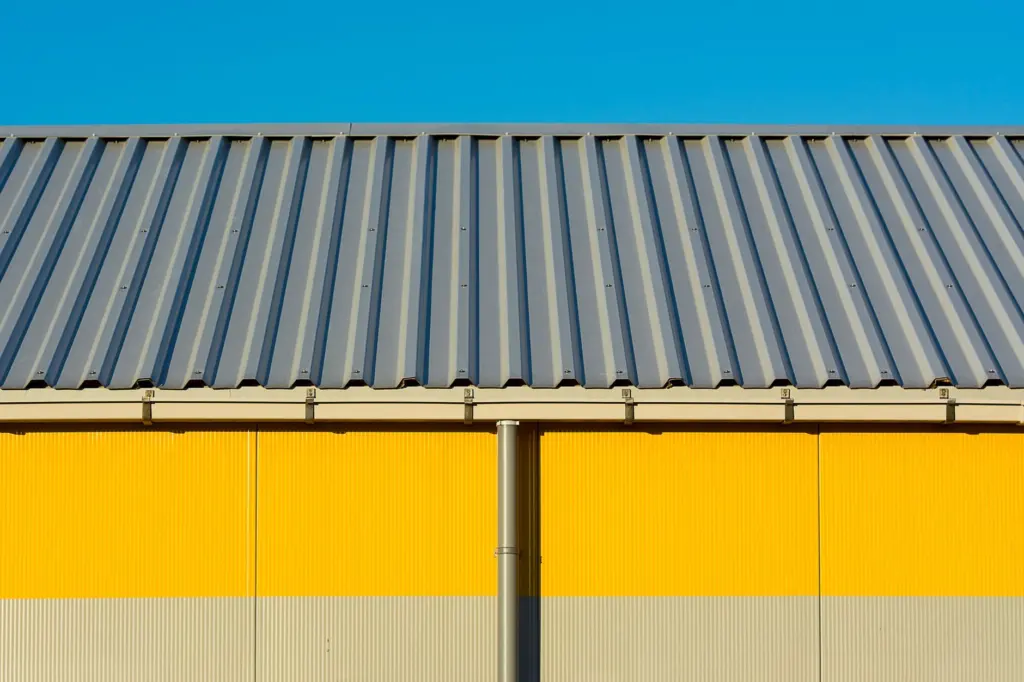
Gutters collect the debris described earlier and sit right at the roof edge. Studio C Chen recommends noncombustible materials such as aluminum, copper, or galvanized steel. Vinyl and other plastic gutters are the ones to replace first when budget allows.
If replacement is not due, keep the existing gutters clear and revisit the material when they fail. Metal gutters do not remove the need for cleaning; they only stop the gutter itself from becoming fuel.
Ember-resistant vents
Vents are deliberate openings in the attic, eaves and gable, so they are a direct path from the outside air into the structure. Ember resistant vents are designed to stop embers passing through that opening. Replace standard louvered vents with them at the same time as roof or soffit work.
Product requirements differ by location, so ask the local fire agency or building department which vent products are accepted before buying. Treat every vent as part of the list, including small ones in gables and under eaves, because one overlooked opening undermines the rest.
If you are replacing windows or adding a deck
Windows and decks are less urgent than vents and gutters, but they are easy to get right at the moment of replacement and expensive to fix afterwards.
Dual-pane windows with tempered glass
Studio C Chen specifies dual-pane windows with at least one tempered pane, skylights included. Habitat LA adds that a dual-paned window reduces the chance of breakage due to high heat exposure, and Krueger Architects notes that tempered glass is stronger than regular glass and can withstand higher temperatures.
In practice, specify both features together when ordering: dual-pane construction, with a tempered pane. Single-pane windows are the weakest point to prioritise if only some can be replaced.

Do not forget skylights: they are covered by the same glazing guidance and sit in the roof, where debris and embers collect. A partial upgrade is acceptable, but it is better to finish the largest and most exposed windows first than to spread a small budget thinly.

Deck-to-wall flashing
Where a deck meets the house wall, Studio C Chen recommends 6-inch metal flashing. It is a cheap detail that belongs in any deck repair or rebuild, and it is easy to add while boards are already lifted.
If you are planning the whole property
Larger planning decisions set the framework for the smaller upgrades above, and they suit owners who are redoing landscaping or building new.
Defensible space and the home ignition zone
Defensible space is the buffer created between your home and the wildland area. The home ignition zone is the area immediately around the house, and its nearest band acts as the first line of defense. Treat the two as a sequence: harden the strip at the walls first, then widen the buffer outward as your property and local rules allow.
Siding and wall materials
Rating language such as Class A is most often discussed for roofs. For walls, ask the local building department or fire agency which cladding meets wildfire requirements in your area before ordering, because acceptable materials depend on location. Avoid wood or plastic components at the base of the wall, where debris and ground-level fuel gather.
Pairing wildfire work with other hazards
Homes in wildfire-prone areas may face other storms as well. Guidance on how to flood proof your home and on how to hurricane proof your house covers those hazards, and some upgrades, such as roof and opening protection, overlap with the work above.
Frequently asked questions
| Question | Answer |
|---|---|
| How far should vegetation be cleared from the house? | Start with the first 5 feet against the walls, where synthetic turf should stay out and gravel, pavers or concrete work better than plants. Beyond that, defensible space is a wider buffer, and the distance for your property depends on local fire agency requirements. |
| Can a house far from the flames still be at risk? | Yes. Flying embers can travel up to a mile from the source of a vegetation fire, which is why roofs, gutters and vents come before landscaping on the priority list. |
| Is synthetic turf a safe alternative to gravel near the walls? | No. Studio C Chen points out that synthetic turf is plastic, so keep it away from the wall and use a hard, non-plant surface in that strip instead. |