Here is how to hurricane proof your house: reinforce the roof, garage doors and openings such as windows and doors first, because IBHS testing points to these as giving the greatest protection against high winds.
Picture a hurricane watch posted for your coast while the roof is old, the garage door is a standard double-width panel and the windows have no protection. This guide follows the path wind takes through a house, from roof cover to wall connections to openings. It ranks upgrades by the weak points that let wind and water in.
Storm readiness is one part of a wider question about housing and climate risk. The hub on how do homes contribute to climate change covers that broader context.
Upgrade ranking at a glance
The table orders upgrades by where a house typically fails first, starting at the roof because a damaged roof lets in both wind and rain. Treat it as a way to sequence work, not a promise that any single item makes a house safe.
| Upgrade | Failure point it addresses | Supported detail | Planning use |
|---|---|---|---|
| Roof cover replacement | Shingles lifting or dislodging | Asphalt shingles, particularly as they age, can dislodge in winds as low as 60 mph | Check roof age first; an aging cover is the clearest early weakness |
| Roof deck sealing | Water entering through decking gaps once cover is lost | Can reduce water intrusion risk by as much as 95%; about nine bathtubs of water per inch of rain can enter through gaps | Ask for it whenever the roof is replaced |
| FORTIFIED Roof standard | Combined cover, deck and attachment weakness | Designed to withstand winds up to 130 mph, based on lab studies and real-world events | Use as a specification when you re-roof |
| Wind-rated garage door | Door panel buckling or failing in high wind | One of the most vulnerable parts of a home in high winds | Replace or reinforce an unrated door |
| Window and door protection | Openings breached by wind or debris | Reinforcing openings is one of three priority areas alongside roof and garage doors | Choose permanent impact glass or removable protection to suit your budget |
These figures come from the IBHS FORTIFIED guidance on reinforcing a property against hurricanes.
Roof cover and deck sealing
The roof is the first upgrade to price, because once the cover goes, the home is open to rain. IBHS testing shows asphalt shingles can dislodge in winds as low as 60 mph as they age, which is below hurricane strength.
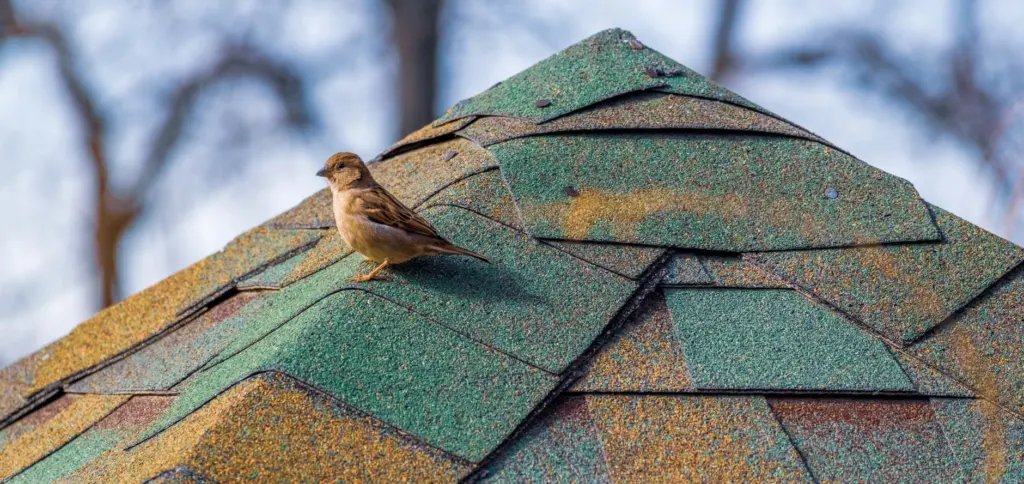
The bigger cost often comes from water. IBHS estimates that when cover is lost and decking gaps are exposed, the equivalent of nine bathtubs of water can enter a home for every inch of rain. A sealed roof deck, which the FORTIFIED Roof standard requires, can reduce the risk of water intrusion by as much as 95%.
This suits owners whose roof is aging or due for replacement. The deck sealing is most practical during a re-roof, when the deck is accessible. The 95% figure is a ceiling for water-intrusion risk, not a wind rating, so it does not replace good fastening and cover. If the roof is young and in good order, move on to the connections and openings below.
Roof-to-wall connections with hurricane straps
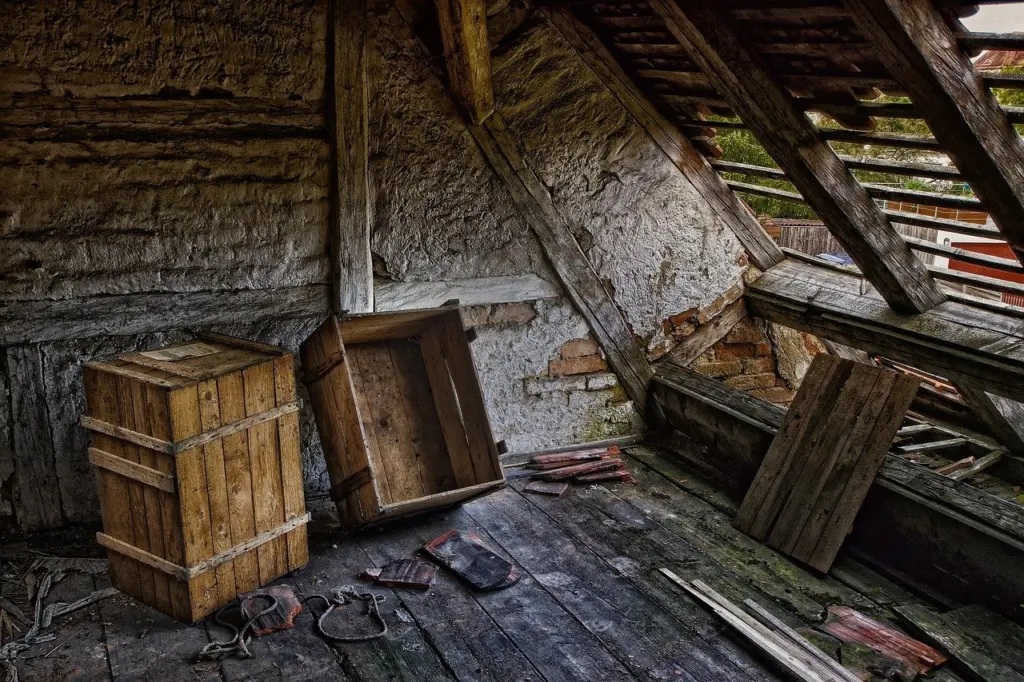
Hurricane straps are metal brackets that connect beams, joists and trusses to the wall structure. Builders describe them as the link that keeps roof framing tied to the walls beneath it. Think of the house as a chain from roof to foundation: a strong cover does little if the framing can separate from the walls.
FLASH, the Federal Alliance for Safe Homes, lists installing clips or straps among its recommended hurricane retrofits. For an existing home, an attic inspection shows what connectors are present. For a new build, specify them before framing is closed in.
Straps are a job for a licensed contractor or framer. They are less visible than a new door or window, so they are easy to skip, but they sit on the same load path as the roof cover above them.
Wind-rated garage doors
IBHS describes garage doors as one of the most vulnerable parts of a home during high winds. A large door that fails lets wind into the house, so this opening belongs near the top of any shortlist.
Rating requirements depend on where you live. Parts of Southeast Florida are in a High Velocity Hurricane Zone, which requires doors to meet large missile impact ratings under the Florida Building Code. Outside such zones, ask the supplier for the wind rating of the specific door and confirm it with your local building department.
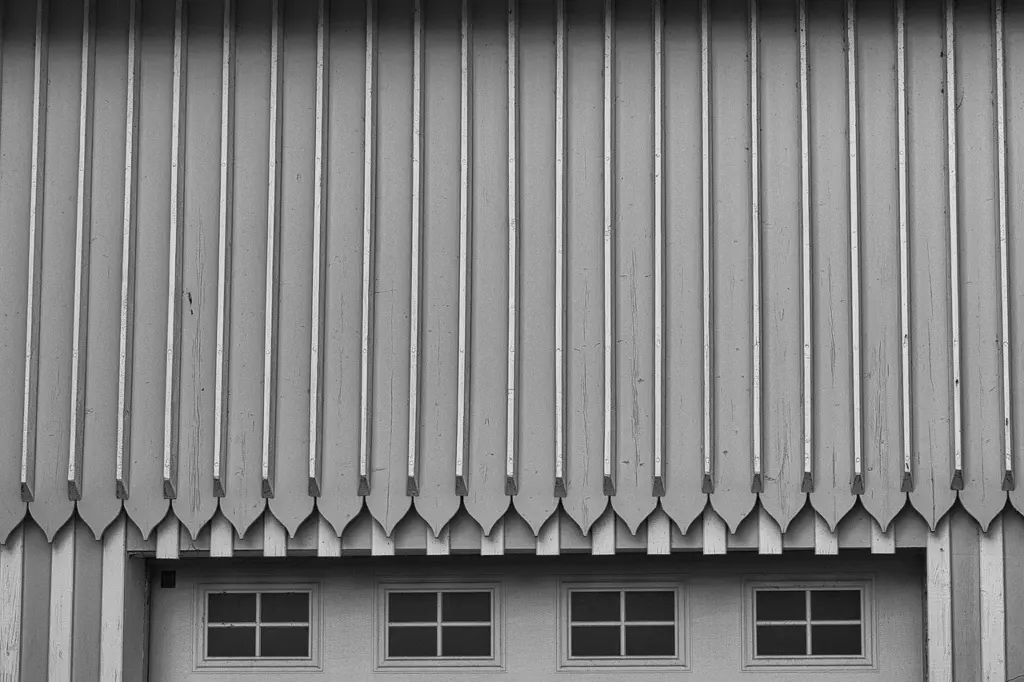
This upgrade suits any home with an older or unrated garage door, especially an attached garage. The limit is that a rated door only helps if its tracks and mounting are in good condition, so ask the installer to check the whole assembly.
Impact windows and door protection
Openings are the third priority area from IBHS, and impact windows for hurricanes are the permanent way to protect glass. Laminated impact glass uses a membrane that keeps shards together; a strong projectile may shatter the pane, but the membrane holds the pieces in place.
Testing matters here. According to an impact-window installer’s guidance, a professional installation includes understanding local building codes and performing a missile impact test. Ask for proof that the window and frame are approved for your area rather than assuming any laminated glass qualifies.
FLASH also lists window protection among its retrofit recommendations. Impact glass suits owners who can afford a whole-house replacement and want protection without storm preparation each season. If the budget is tight, protecting the largest or most exposed openings first and replacing the rest over time is a reasonable sequence. Entry doors count as openings too and deserve the same scrutiny.
Roof shape and wind performance
Roof shape is only one part of how a roof handles wind. Shape sets the outline, but the evidence on failures points to cover, deck and connections. Aging shingles can dislodge at 60 mph, while a roof built to the FORTIFIED Roof standard is designed to withstand winds up to 130 mph. The gap between those two numbers comes from construction and condition, not outline alone.

If you are planning a new build, discuss roof form with your designer, but spend your first effort on the sealed deck, strong cover and strapped connections. If you are retrofitting, you cannot change the shape cheaply, so invest in what you can control. Dry-climate heat is a different problem, and passive cooling for homes looks at it separately from storm design.
Codes, standards and wind speed categories
Three reference points shape your decisions: the building code that applies locally, the voluntary FORTIFIED standard, and the hurricane wind scale. Each answers a different question.
- Florida Building Code. It sets the legal floor in Florida, including the large missile impact requirements for garage doors in the High Velocity Hurricane Zone. Other states have their own codes, so check with your local building department before buying products.
- Fortified Home standard. This IBHS program goes beyond minimum code. Its roof level requires a sealed roof deck and is designed to withstand winds up to 130 mph.
- Saffir-Simpson scale. It grades hurricanes by sustained wind speed. According to FLASH, hurricane conditions mean sustained winds of 74 mph or higher. Check the National Hurricane Center for the category of any approaching storm, then compare it with what your roof and openings can handle.
Homes in fire country face different failure points; how to make your home wildfire resistant compares what changes when the hazard is embers rather than wind.
Decision checklist before the season
Work through these in order, and stop where your house is already sound.
- Inspect the roof cover. Note its age and condition, and ask a roofer whether the deck is sealed.
- Look in the attic. Find out whether clips or straps tie the framing to the walls.
- Read the garage door label. If it carries no wind rating, put replacement or reinforcement on the list.
- List every opening. Rank windows and doors by exposure and decide between impact glass and removable protection.
- Ask for documentation. Keep test approvals and code compliance records from installers.
- Book work early. Schedule contractors before the season begins rather than after a storm is forecast.
Frequently asked questions
When does hurricane season run?
According to FLASH, hurricane season runs June 1 to November 30 every year, so upgrades are best finished before it starts.
What is the difference between a hurricane watch and a warning?
A watch means hurricane conditions are possible in the area. A warning means they are expected, so it is time to finish preparations and follow local instructions.
Where should a safe room be?
FLASH advises that the room should preferably be at the lowest level of the home with no windows.
Does a window need a missile impact test?
Impact windows are meant to be tested against flying debris as part of a code-compliant installation. Ask the installer for the approval that applies in your area.