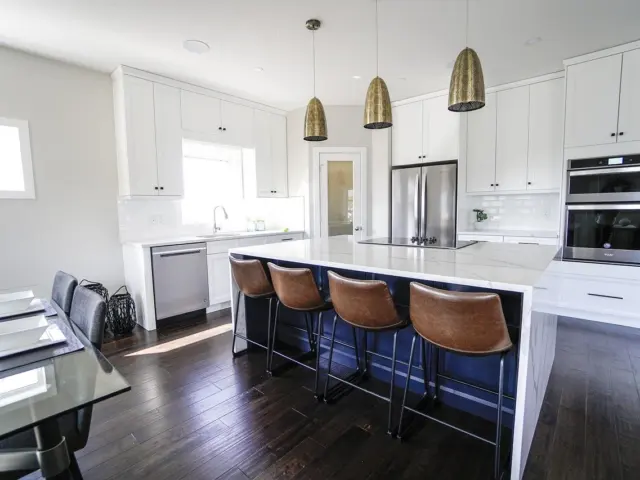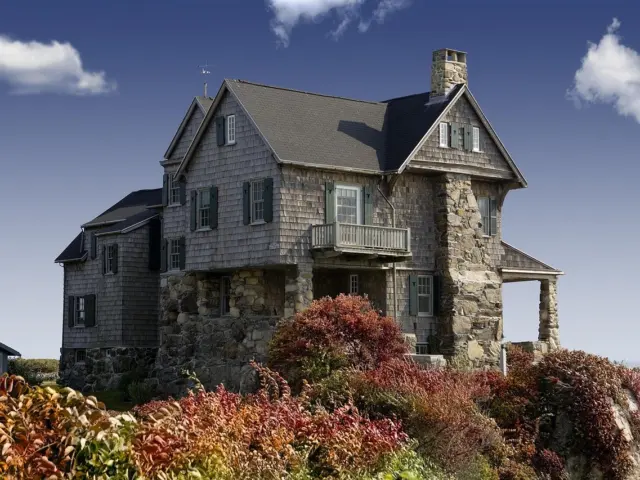

Passive cooling for homes works best in sequence: shade east- and west-facing glass first, ventilate with cooler night air second, and use shaded thermal mass as a supporting measure. The right mix depends on your climate.
If you are also asking how do homes contribute to climate change, the Home Climate Impact and Adaptation hub puts cooling choices in that wider context.
Choosing where to start
This is an ordered selection, not a ranking. The order follows how heat reaches and leaves a house: stop the sun, move the air, then manage what the building materials store. According to Breathe’s passive design guide, passive cooling works with shading and air movement to cool a house during summer, so those two ideas drive every measure below.
- Best first step for most homes: shading on sunny windows, because it cuts heat gain before it becomes an indoor problem.
- Best low-cost habit: opening windows at night so warm air is purged and the interior cools.
- Best for new builds and major renovations: window placement for cross and stack ventilation, since the layout is hard to change later.
- Best for masonry or concrete homes: thermal mass, but only when it is shaded from the sun.
Blocking the sun
Shading is the first line of defence because it limits heat gain through glass. Fox Run Environmental Education Center notes that using shades to block sunny windows helps keep a home from heating up during the day.
Exterior shades and interior blinds
Exterior shading is the stronger choice where you can fit it. Breathe describes precisely angled shading of walls and windows, such as awnings, as blocking the intense sun from entering. Interior blinds are described differently: blinds and awnings are extended during warm periods to provide shade and reduce the heat load of the sun. Both reduce solar heat load, but an exterior device acts on the sun’s path to the window, which is why it suits owners who can install awnings, shutters or roller shades.
Interior blinds suit renters and anyone who cannot alter the exterior. They are quick to use and still shade the room. Whichever you choose, close or extend them on warm days rather than leaving them fixed in one position.
Which windows to shade first
Start with east and west glass. Breathe notes that glazing on the eastern and western façades needs to account for the softer morning and harsher afternoon sun. That makes west-facing windows the most pressing, with east-facing windows next.
Landscaping can do part of the work. Fox Run advises planting deciduous trees and shrubs on the south and west side of the home. A deciduous tree is a sensible choice where you also want light to reach the house outside the warm season, and it needs no installation beyond planting.

Moving air through the house
Once the sun is under control, airflow removes the heat that still gets in. Breathe says windows are positioned for cross and stack ventilation to encourage air movement through a house.
Cross ventilation
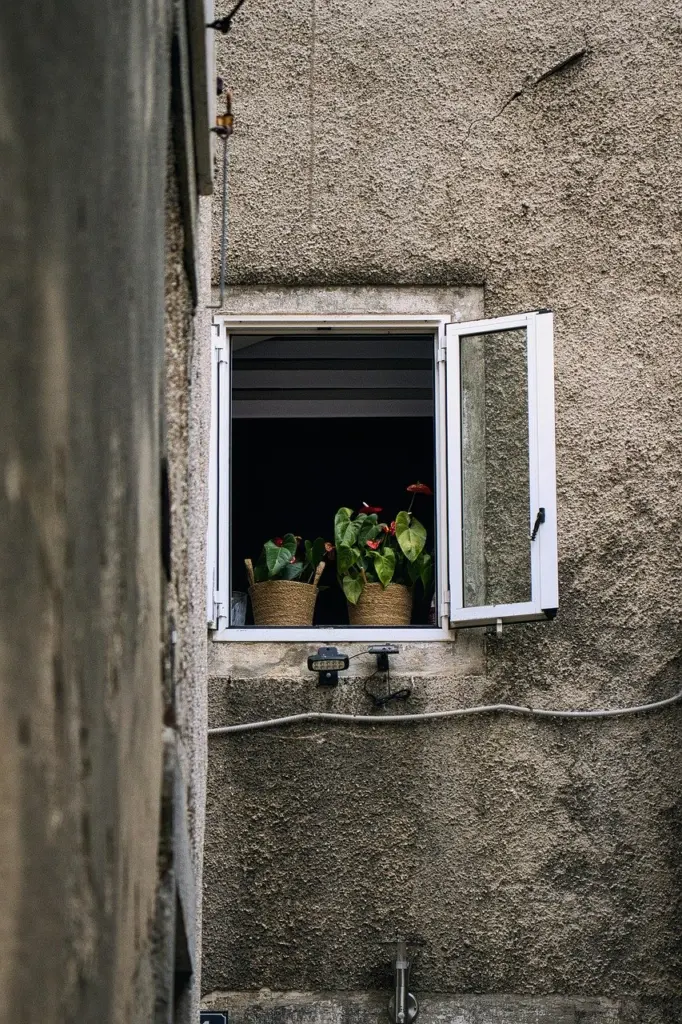
Cross ventilation means windows on both sides of a room, creating a flow of air, as Fox Run describes it. The practical lesson is that one open window does little by comparison. You need an inlet and an outlet on different walls, with a clear path between them, so furniture and closed internal doors should not block the route.
Stack effect
Stack ventilation uses the temperature difference in a room to push warmer air up and out, according to Fox Run. It suits houses with high openings, stairwells or upper windows where warm air can escape while cooler air enters lower down. It is mainly a design feature, so it matters most when planning a build or renovation.
Night flushing
Night flushing is cross ventilation used on a schedule. Breathe explains that at night, windows are opened to encourage cross-ventilation, which purges warm air and ventilates and cools interior spaces. Because the aim is to purge warm air, open up when the outside air is cooler than the air indoors, and close the house and its shading again once the day heats up.
Storing and shedding heat with thermal mass
Thermal mass is the ability of a material to absorb and store heat, helping stabilise temperatures, as Breathe defines it. Concrete floors and masonry walls are typical examples. The condition that matters for cooling is shade: Breathe notes that thermal mass shaded from the sun cools down overnight and provides a cooling effect.
That makes thermal mass a partner to the other measures rather than a stand-alone fix. Shading keeps the mass from soaking up direct sun, and night flushing helps it release what it has stored. A house with heavy walls and unshaded glass gains little from its mass in summer.
Comparing the measures
| Measure | How it cools | Works best when | Planning use |
|---|---|---|---|
| Exterior shades and awnings | Block intense sun before it enters | Fitted to sunny, especially west and east, windows | First purchase for owners who can alter the exterior |
| Interior blinds | Shade the room and reduce solar heat load | Extended during warm periods | Practical fallback for renters |
| Deciduous trees | Shade the home from the south and west sides | Planted on those sides of the home | Long-term, low-effort addition |
| Cross ventilation | Airflow between windows on both sides of a room | Openings face each other with a clear path | Check layout and internal doors |
| Stack effect | Pushes warm air up and out | High openings let warm air escape | Mainly a design-stage choice |
| Night flushing | Purges warm air overnight | Windows opened at night | Free habit to start immediately |
| Shaded thermal mass | Cools overnight and cools air moving over it | Mass is kept out of direct sun | Useful in masonry or concrete homes |
The comparison draws on Breathe’s passive design guidance and Fox Run’s cooling advice.

Adjusting for climate and house type
No single combination suits every location. Breathe states that the exact design approach and use of materials depend on the location of the building, with Melbourne and Brisbane as examples of places that call for different details. Treat the list above as a toolkit and weight it to your own summers.
If you are renovating, shading and ventilation habits are the easiest starting point, and you can add trees or awnings later. Where storms are a risk, check any external shading against the guidance on how to hurricane proof your house. For roof-level options, a green roof on a house is covered in its own guide.
Frequently asked questions
Does thermal mass help in hot climates?
Yes, when it is shaded from the sun. Breathe links the cooling effect to mass that cools overnight, so pair it with shading and night ventilation rather than relying on it alone.
Does double glazing count as passive cooling?
It is a fabric upgrade rather than a shading or airflow measure. Breathe says installing double-glazed windows will substantially improve thermal performance, and it works alongside the other measures.
How much power does air conditioning use compared with passive options?
Passive measures use no power once installed. Fox Run puts central cooling at about 3500 watts for a conventionally sized home, against roughly 750 to 1000 watts for a small window unit, which is why a small unit is the lighter backup if passive measures fall short.