Quick answer: A green roof on a house works best as a shallow extensive sedum system on a roof sloping up to 30 degrees, after a structural check. Deeper intensive roofs need flat roofs and may need reinforcement.
If you are weighing a living roof as part of adapting your home, the hub on how do homes contribute to climate change gives the wider context. For other ways to keep a house comfortable in hot weather, see passive cooling for homes.
Choosing between extensive, semi-extensive and intensive roofs
The main difference between an extensive and an intensive green roof is the depth of growing medium, which in turn decides plant choice, weight, upkeep and cost. Most houses suit the shallowest option. The deeper you go, the more the decision becomes a structural and budget question rather than a planting one.
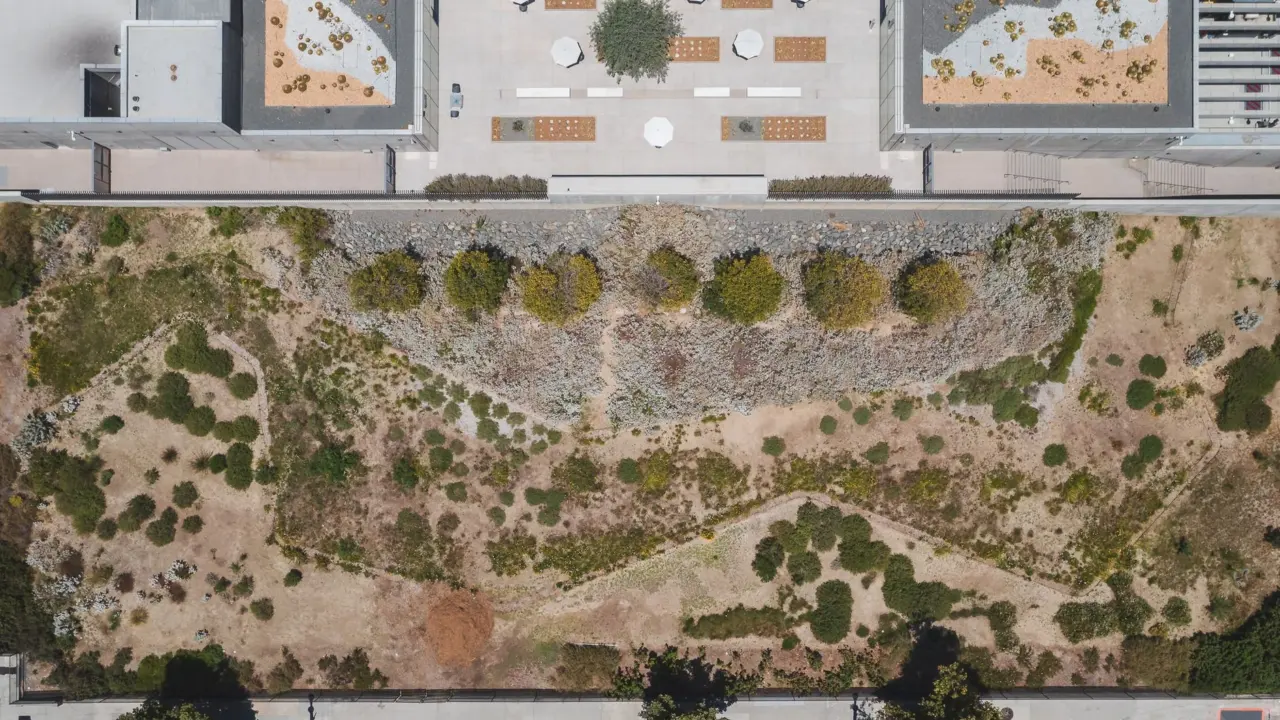
- Extensive roofs carry a thin layer of growing medium and low, tough plants such as sedum. They are the realistic default for a house.
- Semi-extensive roofs have enough depth for perennials. They suit gently sloping outbuildings and owners who accept a longer establishment period.
- Intensive roofs work like a roof garden with containerised plants. They suit a flat roof with a structure designed or reinforced for the load, and an owner who will water regularly.
| Type | Growing medium depth | Care pattern | Planning use |
|---|---|---|---|
| Extensive | 5-15 cm (2-6 in) | Should not need watering or weeding if the species suit the climate | Default choice for a house roof or a lightweight build |
| Semi-extensive | 10-20 cm (4-8 in), enough for perennials | 12-18 months to establish, with maintenance during that time | Suits a gently sloping shed or garden building |
| Intensive | At least 30 cm (1 ft) | Containerised plants need watering all year except in freezing or very wet conditions, up to twice daily in summer | Only for flat roofs, after confirming the structure can cope |
Depths, establishment times and watering notes follow the RHS guidance on green roofs, and the flat-roof requirement for intensive use follows Medadapt’s green roof adaptation option.
The manufacturer Sempergreen describes an extensive roof as a thin substrate layer of up to 15 cm, with a drainage layer underneath. It describes an intensive roof as a thicker layer of 25 cm or more, which also makes the system heavier and more expensive. Treat those as typical ranges, not targets. A thinner build that stays within your roof’s capacity is better than a deeper one that does not.
Structural load and roof pitch
Whether you can put a green roof on your house depends first on the weight the roof can carry and second on its slope. Intensive roofs in particular may require substantial reinforcement of an existing roof structure. An extensive system is the lighter route, but it is still a load the roof was not necessarily designed for.
Before you commit
- Structural check. The RHS advises checking with a chartered structural engineer or surveyor that the roof will be able to take the weight. Do this before choosing a system, not after.
- Planning permission. The same RHS guidance says to check whether planning permission is required before starting.
- Roof pitch. Standard green roof techniques suit slopes up to 30 degrees; steeper roofs need different techniques, according to Medadapt. A steep pitch is a reason to look at another approach, not to force a standard build.
- Lightweight media. For extensive roofs the RHS points to lightweight inorganic materials such as perlite, leca, sand and rockwool in the growing medium, which keeps the load down.
Because intensive systems are heavier and need a flat roof, most owners of pitched houses will find an extensive or semi-extensive build more workable. If your roof falls outside the slope range, a green roof on a lower flat section, such as an extension or outbuilding, may be the better place to start.
Roof build-up: membrane, drainage and growing medium
A typical extensive green roof sits on a root barrier membrane, a drainage layer, a filter layer and then the growing medium above. Each layer has a job. The membrane protects the roof from roots, the drainage layer moves excess water away, the filter keeps fine particles from clogging it, and the growing medium holds the plants.
Waterproof membrane
Sempergreen states that a leakage is never caused by the green roof itself, so the roof covering underneath must be waterproof and root-resistant. Where root resistance is unclear, it recommends installing a root-resistant membrane as extra protection. Check the condition of an existing roof covering before laying anything on it.
Roof drainage
The RHS advises incorporating drains into the system and boxing them in, which prevents them clogging with growing medium and plant material. Drains stay easy to find and clear this way, which matters for the maintenance routine below.
Can a shed support a green roof?
A shed can carry a green roof if its roof is gently sloping and strong enough for the build. The RHS describes semi-extensive roofs that can be created on a gently sloping shed roof by building a grid of wooden cells filled with compost. Those semi-extensive roofs need 10-20 cm (4-8 in) of growing medium, enough to support perennials.
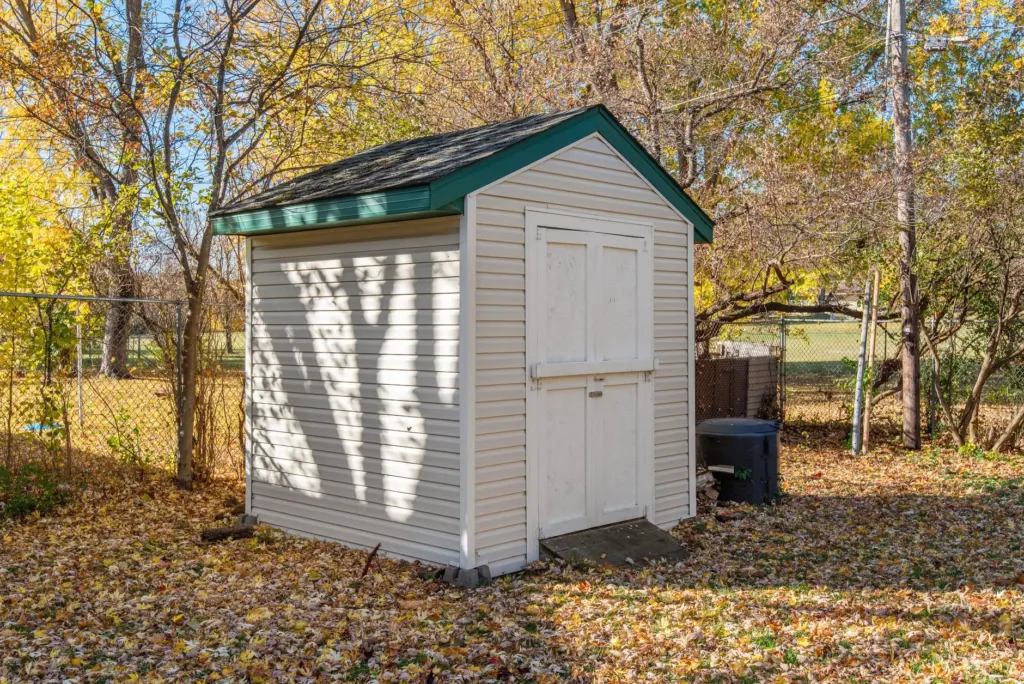
The weight question applies exactly as it does for a house: confirm the roof can take the load before building. Keep the slope within the standard range for green roof techniques, and use a waterproof, root-resistant covering underneath. A sedum-only extensive layer is the lighter choice if you doubt the structure. Expect to look after a semi-extensive shed roof through its first 12-18 months.
Stormwater retention
A green roof absorbs and retains a significant amount of water, according to the vendor Viritopia. That is the supported benefit for rainwater: part of the rain is held in the growing medium instead of running straight into the drains.
For a home, the practical point is that retention comes from the build as a whole. Growing medium holds water, while the drainage layer and boxed-in drains carry the excess away, so a roof that clogs defeats its own purpose. A green roof also works best alongside ground-level measures; stormwater management for homeowners covers those. If you need a specific retention percentage for a planning submission or a drainage design, take it from the system supplier’s tested data for your build rather than a general figure.
Maintenance and troubleshooting
A green roof needs less care than a garden, but how much depends on the type. Extensive sedum roofs should not require watering or weeding if the species suit the climate. Semi-extensive roofs need maintenance while they establish over 12-18 months. Intensive roofs with containerised plants need watering all year round except in freezing or very wet conditions. Green roofs generally need regular care to stay healthy and compliant, so plan an inspection routine even for a low-maintenance system.
Routine checks
- Drains. Keep the boxed-in drains clear of growing medium and plant debris.
- Plant cover. Watch for bare or struggling areas, particularly in the establishment period of a semi-extensive roof.
- Watering. Only intensive and container planting needs a watering plan, and summer demand is highest.
When something goes wrong
- A leak appears. Inspect the waterproof roof covering and its root resistance first, since the green roof layers themselves are not the cause of leakage.
- The roof will not take the load. Switch to a lighter extensive build, or move the project to a stronger flat roof, after the structural engineer or surveyor has advised.
- The slope is too steep. Standard techniques stop at 30 degrees, so ask for a system designed for steeper roofs or choose another approach.
Frequently asked questions
Which sedum species are common on extensive roofs?
The RHS lists Sedum acre, S. rupestre and S. album among the common species used on extensive roofs.
Do sedum roofs survive cold winters?
Sempergreen describes a green roof with sedums as always hardy, and notes that sedum turns red in winter, so a colour change is normal.
How much plant cover does a sedum roof have when it arrives?
Sempergreen supplies vegetation blankets that are always at least 95% covered, so an extensive sedum roof can look established soon after installation.