Choosing among natural building methods comes down to climate, labor and code. Cob and adobe give load-bearing earth walls, rammed earth gives a dense, layered wall, and straw bale puts insulation first. Check local code before committing.
This comparison supports the wider planning advice in how to build a green home. It sets earth-based wall systems side by side so you can see which ones suit your site.
Decision criteria before you compare walls
Imagine you own a plot and like the idea of thick earth walls, but you have a limited budget and a building department you have not yet spoken to. The wall system that looks best in photographs may not be the one you can build, insure or permit. Work through the criteria below in order, because each one narrows the field for the next.
- Match the wall to the climate. Adobe has a long record in deserts, while cob has found a place in many wetter and more earthquake-prone climates, according to City Repair’s natural building FAQ. Start with where each system has actually been used.
- Count the labor you can supply. Cob and rammed earth are both labor-intensive. If you cannot give time or hire skilled help, this criterion alone can rule out a method.
- Decide where insulation comes from. Cob and adobe rely on thermal mass rather than an insulation layer, while straw bale is built around insulation. These are different thermal strategies, not better and worse versions of one.
- Check code status early. Officials often ask for extra proof with unfamiliar materials, and that can change the schedule and the budget before any wall goes up.
- Price the whole wall. Cheap materials do not guarantee a cheap wall once labor and permitting are counted.
Side-by-side comparison of earth-based wall systems
The table puts the main wall systems against the same criteria. It describes how each is built, what the labor demand looks like, how it handles heat, and where it has a record of use.
| Method | How it is built | Labor | Thermal behavior | Climate record | Planning use |
|---|---|---|---|---|---|
| Cob | Clay, sand and straw built wet; dries as a cohesive, monolithic mass | Immense labor; build time generally longer than conventional | Thermal mass to keep warm or cool; no insulation layer | Wetter and more earthquake-prone climates | Suits owner-builders with time and a sculptural brief |
| Adobe | Similar mix sun-dried into blocks, then stacked | Block production and stacking, no wet monolith | Thermal mass; no insulation layer | Deserts around the world | Suits dry sites where blocks can cure outdoors |
| Rammed earth | Solid earth wall, often with a small amount of cement added | Labor-intensive process | Solid earth wall | Cement makes the earth resistant to erosion | Suits clients who want a distinctive finished wall and can budget for labor |
| Straw bale | Bales form the wall core, sealed with plaster | Not described as especially labor-heavy in the sources | Heavy insulation once sealed | Works where plaster keeps the bales dry | Suits those who want insulation as the main thermal feature |
Descriptions of cob, adobe and straw bale draw on City Repair, and rammed earth, cement stabilisation and sealed straw bale walls draw on the Owner Builder FAQ.
Cob house construction
Cob is built wet and dries as one cohesive, monolithic mass, which is why it is described as sculptural. City Repair notes that cob is a mix of clay, sand and straw and is load-bearing. It needs no timber frame in principle, although code often requires one.
The honest answer on build time is that it is generally longer than for a conventional house, and the labor involved in designing, orchestrating and constructing cob is often immense. Plan a schedule around the hands you can actually count on, and treat the walls as a project for a team rather than a weekend task.

Cob suits people who want a structural wall they shape themselves. It is a poor fit if you need a fast schedule or a wall that carries its own insulation, because cob adds thermal mass but no insulation layer.
Adobe and rammed earth compared
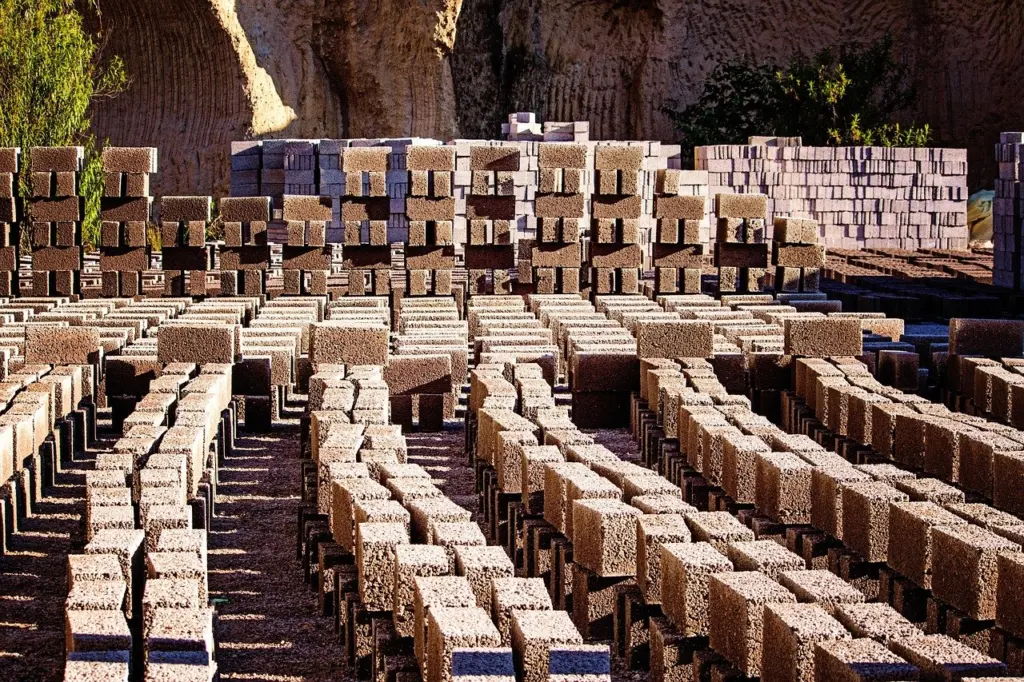
The core difference between adobe and rammed earth is the form of the earth. Adobe is a clay, sand and straw mixture that is sun-dried into blocks and stacked. Rammed earth is a solid earth wall made by a labor-intensive process, and the Owner Builder FAQ describes it as producing a unique wall system.
Choosing between the two
Adobe suits a dry site where blocks can cure in the open and where its desert record is relevant. Rammed earth is better if you want a monolithic solid wall and are prepared to pay for a labor-intensive process. A small cement addition can stabilise rammed earth and make the earth resistant to erosion, which matters if you want exposed wall faces. Be clear with yourself that stabilised rammed earth is no longer purely earth, which may matter to owners who chose natural building for its materials.
Straw bale and lime plaster
Straw bale works differently from the earth systems above. City Repair describes bales of straw providing heavy insulation and forming the core of walls for earthen plasters or paints. The wall only performs well once it is sealed, usually with a plaster coat, at which point it provides good insulation.
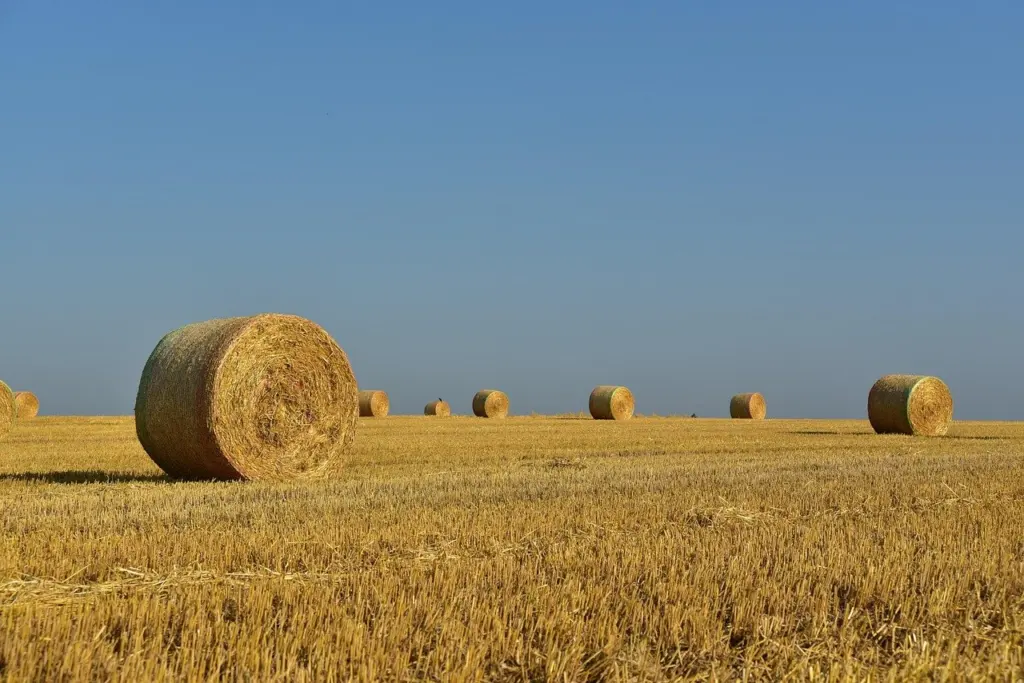
Lime and earthen plasters give a good barrier to the elements and an air seal, yet leave the wall permeable to water vapour. That combination is the reason plaster choice matters on a bale wall: a coating that blocks vapour entirely would work against the wall. Choose straw bale when insulation is your priority and you are willing to detail the plaster carefully.
Performance in wet and cold climates
Earth walls handle temperature through thermal mass, a principle City Repair says cob and adobe are built around to keep a home warm or cool. Mass is not the same as insulation, so in a cold climate you should not assume a mass wall will do the work of an insulated one. Ask a designer how the heating plan and wall thickness fit together.
For wet conditions, the useful evidence is that cob has found a place in many wetter climates, and that cob and adobe are described as incredibly durable and long-lasting with proper maintenance. Maintenance is the condition that matters. Permeable lime or earthen plaster lets the wall exchange vapour while still shedding the elements, so plan renewal of the surface as an ongoing task rather than a one-off job.
Building codes and insulation requirements
Earthen homes can be built in code-governed areas, but the route is rarely quick. ASME’s overview of natural building notes that codes have slowed acceptance of natural building, while the intent of codes is to ensure materials are used safely and suitably, with the burden of proof resting on builders. When officials are unfamiliar with a material, the whole permit process can be significantly longer and more costly.
Two practical points follow from this. First, cob and adobe need no timber frame in principle and use no insulation, but code often requires a frame, so budget for one. Second, if your required insulation level cannot be met by mass alone, a system such as straw bale may meet it more readily. For the sequence of design, permitting and construction decisions around this, see how to build an eco friendly house.
Labor and cost
Natural building shifts expense from materials to labor. City Repair says materials and tools are often lower in cost than a conventional project of the same caliber, but labor costs, including sourcing less-conventional materials, are at least the same and often higher. The Owner Builder FAQ adds that bulk material cost of straw bales, rammed earth, light straw clay and earthen block is very low, comparable per cubic ft to cellulose or fiberglass.
Installed wall cost depends on which contractors you use and how much you do yourself. If you can provide labor, the savings can be real. If you must hire everything, do not expect the walls to be cheaper than a conventional wall. Running costs are where natural homes tend to gain, since savings generally come from lower energy needs for heating and cooling. Once the walls are up, smart thermostat energy savings shows how controls can complement a well-designed envelope.
Which method suits which builder
- Choose cob if you have time, a team and a wetter or earthquake-prone site, and you want a sculpted structural wall.
- Choose adobe if your site is dry and you can make and cure blocks outdoors.
- Choose rammed earth if you want a solid, distinctive wall and can fund the labor, accepting that cement stabilisation may be part of the mix.
- Choose straw bale if insulation is the priority and you will detail permeable plaster carefully.
- Wait or change plan if your local officials have no experience with the material and you cannot afford a longer, costlier permit process.
Frequently asked questions
| Question | Answer |
|---|---|
| Is natural building suitable for every climate? | It can apply in nearly all geographic regions and climates, according to ASME. The choice of system still depends on local conditions, as the climate record in the comparison table shows. |
| How do plastered straw bale walls perform in fire tests? | Straw wall assemblies have been tested to ASTM E119-05a. An earth-plastered wall obtained a 1-hour fire rating and a cement-plastered wall obtained a 2-hour rating, as reported by the Owner Builder FAQ. |
| How long can straw last inside a wall? | When kept dry, straw and wood can last hundreds if not thousands of years, so keeping the wall dry is the central design goal. |
| How does light straw clay compare with cob? | Cob has much less insulation than light straw clay but is much more structural and sculptural, so light straw clay trades structure for insulation. |