
| Stage | Decision to settle | Planning use |
|---|---|---|
| Before quotes | Ducted or ductless. A ductless mini-split is an outdoor unit with one or more wall-mounted indoor heads. A ducted heat pump usually costs less per room when the existing ducts are good. | Decide this first, because it changes every quote you collect. |
| Sizing | Room-by-room load calculation, so each head is sized right. About 10% of field systems are oversized and about 1% undersized. | Ask for the calculation in writing instead of accepting a rule-of-thumb size. |
| Comparing bids | HSPF2 and SEER2 ratings for each indoor/outdoor combination, plus heating capacity at 5°F and 17°F. | Compare quotes on the same rated pairing and the same cold-weather capacity figures. |
| After installation | Design flaws, incorrect settings and faults can raise energy use. | Schedule a settings check once the system has run through a heating period. |
Figures are drawn from the mini-split buying guidance and a peer-reviewed field study of installed heat pumps.
A heat pump for home heating is worth pricing once you have sized it room by room and chosen ducted or ductless to suit the ducts you already have.
This sits inside the wider question of how to build a green home. If you are renovating, it also pairs with decisions on sustainable building materials for homes.
Before you shop: how the system heats
An air-source heat pump heats a home by moving heat, not by burning fuel. As Octopus Energy explains, heat pumps transfer existing heat into your home instead of generating it through combustion.
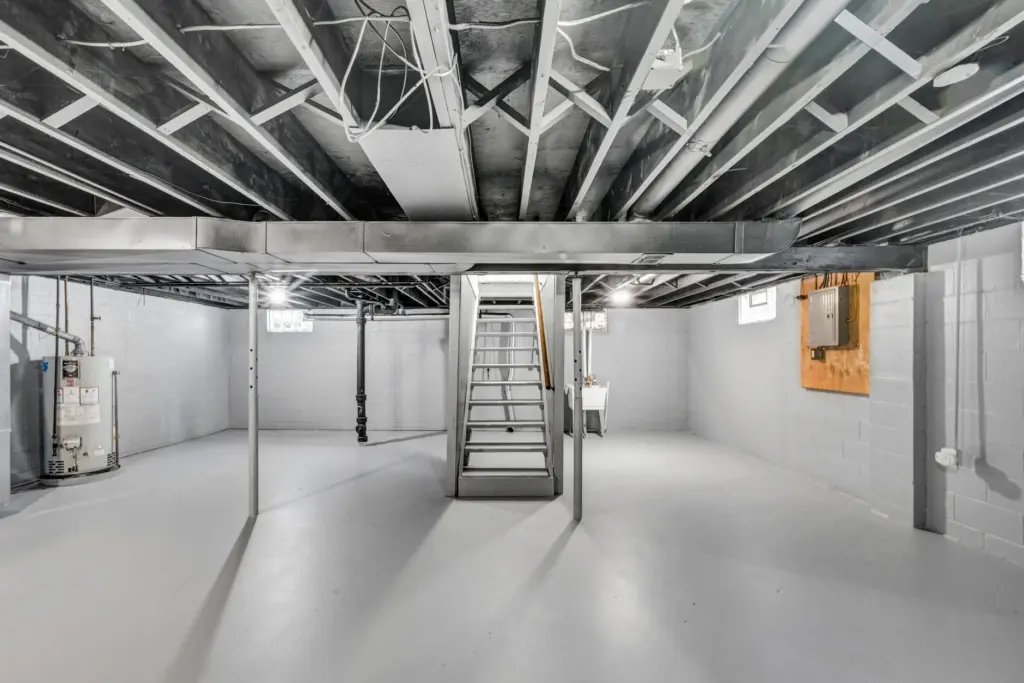
In heating mode the unit reverses the refrigeration cycle that an air conditioner uses, according to Goodman. The outside coil acts as the evaporator and collects heat, and the indoor side releases it into the house.
Reading efficiency numbers
The coefficient of performance (COP) is the heat delivered for each unit of electricity used. Across a fleet of installed systems, typical real-world seasonal performance is around 3.6, which means roughly 3 to 4 kWh of heat per 1 kWh of electricity. Actual efficiency varies with the property, the system design and how the system is used, so treat 3.6 as a typical figure and not a promise for your house.
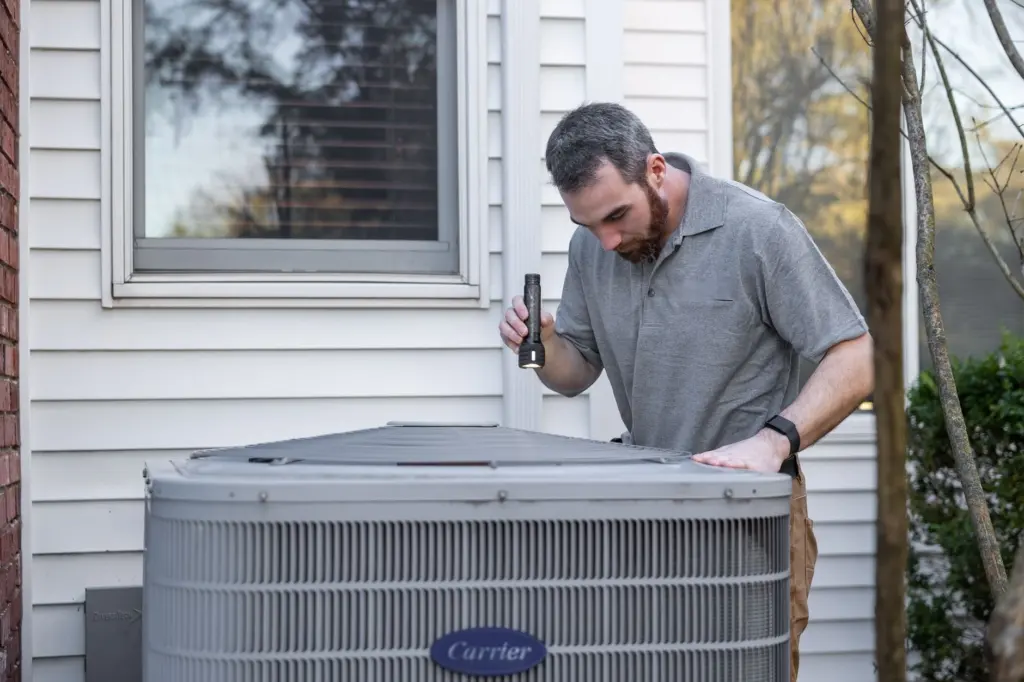
In the United States the labels you will see are HSPF2 for heating and SEER2 for cooling. These ratings apply to each indoor/outdoor combination, so a quote should name the exact pairing it was rated for. Ask the installer for the ratings of that pairing and compare bids on that basis.
Choosing ducted or ductless
Heat pumps can be installed with or without ductwork, according to Arcoaire. The right choice depends mostly on what is already in the walls and ceilings.
When ducted suits
Choose ducted if the house already has good ducts. A ducted heat pump usually costs less per room in that situation, and it reuses distribution you already own. If the ducts are leaky or undersized, the saving shrinks, so have them assessed during the quote visit.
When ductless suits
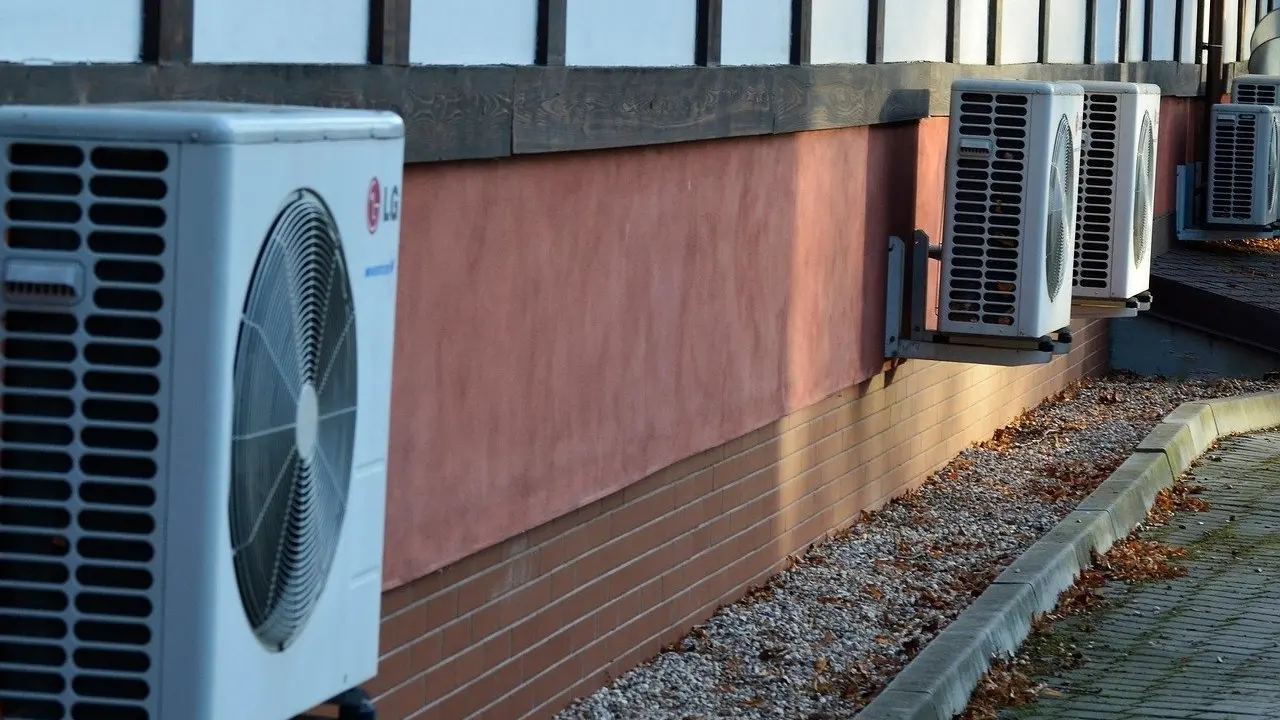
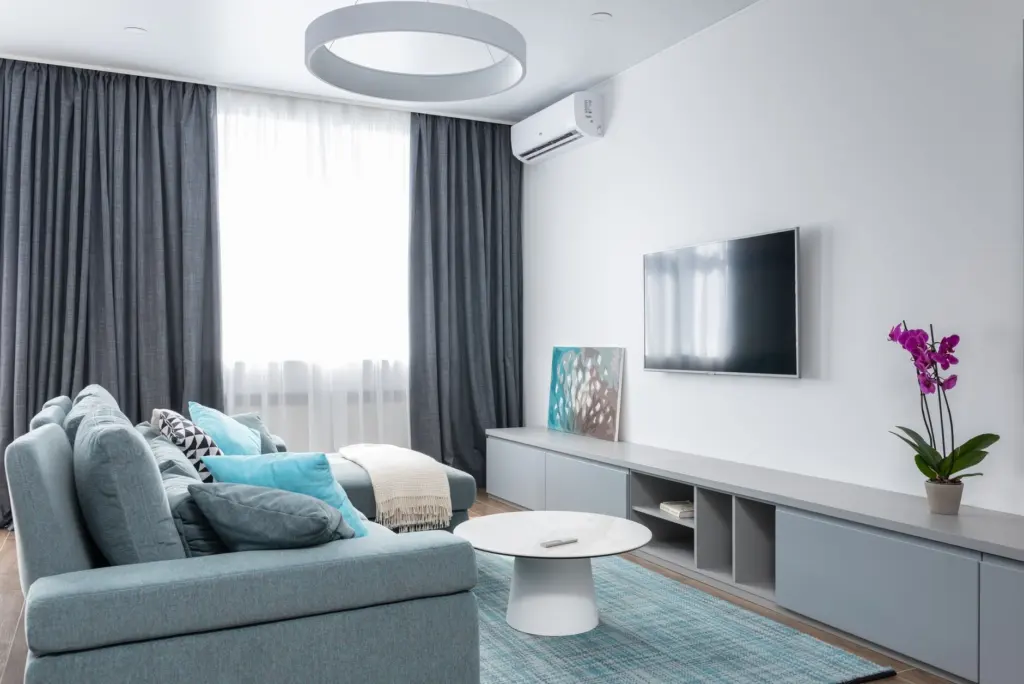
A ductless mini-split is a heat pump with a small outdoor unit and one or more wall-mounted indoor units. It suits homes with no ducts, additions, or rooms the existing system serves poorly.
Can ductless mini-splits heat a whole house?
Yes, provided the layout is planned room by room. A multi-head system connects several indoor units to the outdoor equipment, and each head is sized from a room-by-room load calculation. The condition is coverage: a room without a head, or with a head sized below its load, is where a whole-house design falls short. For a house with closed-off bedrooms, ask the installer to show how each space is covered before you accept the design.
Sizing the system
A Manual J load calculation is the recommended starting point for sizing. It estimates the heating load room by room, so equipment capacity follows the house instead of a guess based on floor area.
Sizing mistakes do show up in practice. A field study of 1023 systems in Central Europe over two years found about 10% oversized and about 1% undersized. The same study notes that design flaws, incorrect settings and faults can escalate energy consumption and costs.
Follow these steps to get a defensible size:
- Ask each installer for a Manual J load calculation, not a verbal estimate.
- Request the result broken down room by room, particularly for a ductless layout.
- Check that the equipment capacity quoted matches the calculated load, without a large margin added on top.
- Confirm the ratings for the exact indoor/outdoor pairing.
If two bids differ widely in size, the calculation is the tie-breaker. Ask both installers to explain the gap against it.
Cold-climate performance
Heat pumps work in cold climates, with conditions. They suit moderate climates where the temperature does not regularly drop below freezing, according to Arcoaire. Goodman states that air-source technology has advanced enough to be used in areas with extended periods of subfreezing temperatures. Octopus Energy adds that heat pumps are popular in cooler countries such as Norway and Sweden.
In a cold-climate heat pump, the nominal rating on the box is not the number that matters. Ask for the heating capacity at 5°F and at 17°F, then check that those figures cover the load you calculated. If you live where winter lows sit well below freezing, make that the main comparison point between bids.
Cost and incentives
Installed cost depends on the system type, the ducts you already have and the number of rooms served. Because a ducted system usually costs less per room where ducts are good, an itemised quote for each option shows the real difference.
For one reference point, a UK installer reports a typical heat pump price of £4,064 against a national average of £5,408. That figure applies after a £7,500 grant scheme, for the period from 01/06/2026 to 30/09/2026, and it is a vendor-reported median from Octopus Energy, not a US price. Use it to see how much incentives can change what a household pays, not as a budget for your project.
For a US home, check the IRS and your state’s incentive pages for current terms before signing. Incentive rules and eligible equipment change, so ask each installer which incentives their quoted equipment qualifies for. If you are also replacing hot water equipment, a heat pump water heater works on the same heat-moving principle and can be priced in the same visit.
Installation and commissioning
Installation connects the outdoor unit to the indoor equipment with refrigerant lines, then sets the controls. Mini-splits use a thin line set between the outdoor unit and each head, while a ducted system ties into the air handler and ductwork.
Commissioning deserves as much attention as the install itself. In the field study above, 17% of air-source heat pumps did not meet existing efficiency standards. In a Swiss group of 297 households, half achieved average savings of 1805 kWh (15.2%) per year after on-site optimization. Both results point to settings and setup as places where efficiency is won or lost.
- Walk the installer through the load calculation and confirm the installed equipment matches it.
- Ask for the final settings to be recorded and explained.
- Return to the settings after the first heating period and adjust where rooms are uneven.
- Keep the rating documents for the exact pairing installed.
Troubleshooting common problems
- Bills higher than expected. Check sizing and settings first, since design flaws and incorrect settings are documented causes of higher consumption. An on-site optimization visit is the next step.
- Weak heating in freezing weather. Compare the installed unit’s capacity at 5°F and 17°F with your load calculation. A unit chosen on its nominal rating alone may fall short.
- One room cooler than the rest. In a ductless layout, check whether that room’s head was sized from the room-by-room calculation.
- Equipment short-cycling or oversized. Oversizing affects a minority of systems, but it is worth ruling out by comparing capacity with the calculated load.
Frequently asked questions
Is a heat pump more efficient than a gas boiler?
Typical UK domestic gas boilers operate at around 85% efficiency, while typical real-world seasonal heat pump performance is around 3.6, according to Octopus Energy. Actual results depend on the property, system design and usage.
Will my heat pump perform as well as its label says?
Not always. A study cited in the field research reports up to 24% lower performance than stated on the product certificate label, so ask about commissioning and settings.
What does a scroll compressor change?
Goodman claims scroll compressors provide 10° to 15°F warmer air in heating mode than piston compressors. This is a manufacturer claim, so ask the installer for rated capacity data for the specific model.