
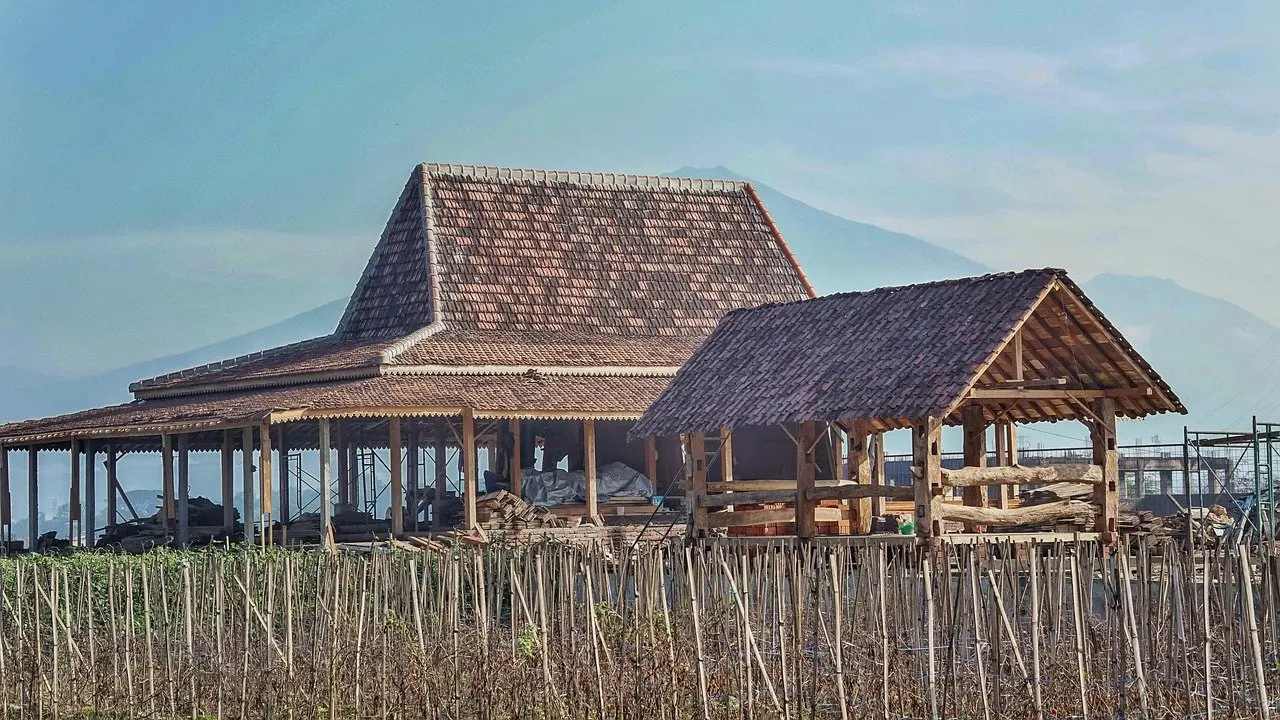
| Reader situation | Material | What the evidence supports | Planning use |
|---|---|---|---|
| Framing the structure | Recycled steel | Around 40% of all steel production involves recycled material, and recycled steel uses 60-74% less energy than producing new steel. | Ask for the recycled content of the exact product, because the 40% is an industry-wide production share. |
| Framing or exposed structure with reuse in mind | Reclaimed lumber | Reuse reduces demand for new lumber and avoids harvesting and processing energy. | Suits projects that can accept variable stock. Confirm structural suitability with your designer. |
| Floors and interiors | Bamboo | Rapid growth and a high strength-to-weight ratio, and it regenerates faster than traditional timber. | Suits finishes where a fast-renewing plant material is wanted. Check the processed product, not just the plant. |
| Plant-based walls | Hempcrete | A bio-composite of the inner woody core of the hemp plant and a lime binder. | Confirm product documentation and its permitted use before specifying it. |
| Mineral wall alternative | Earth blocks | Low tensile strength, and strength and stability drop after long contact with water. | Keep dry and well protected, and design around the weakness. |
The table draws on a built environment guide to sustainable materials and a construction materials overview.
Sustainable building materials for homes earn their place through evidence: recycled steel for framing, reclaimed lumber for reuse, bamboo for fast-renewing finishes and hempcrete as a plant-based composite. Each suits particular jobs and has limits.
Material choice is one stage in the wider sequence covered in how to build a green home. This shortlist is grouped by the job each material does, so you can go straight to the situation that matches your project.
Why embodied carbon shapes the shortlist
Embodied carbon, the carbon tied up in making building materials, accounts for 10% of all global energy-related CO2 emissions, according to the same guide. It also notes that concrete production alone accounts for 8% of global CO2. Those shares explain why material choice is worth the effort, even though they do not rank individual materials for a single house.
The question of which building materials are most sustainable for homes therefore has no single winner. A better approach is to judge each option on four points:
- Documented content. Recycled or reused content should be stated for the product you will buy, not inferred from the material category.
- Declared life-cycle results. A product-specific declaration tells you more than a green-sounding label.
- Fit for the job. A sustainable material in the wrong place, such as a water-sensitive block in a wet position, is a poor choice.
- Stated limits. If a supplier cannot describe where a material does not work, treat the claim cautiously.
If you are framing the structure
Framing is where a house uses its most structural material, so this is where recycled and reused content has the most leverage. Two options stand out: steel with recycled content and lumber that has been reclaimed.
Recycled steel framing
Recycled steel framing suits builders who want a documented route to lower embodied energy in the frame. According to the construction materials overview, using recycled steel reduces energy use by 60-74% compared with producing new steel. That is a real advantage, and it is the main reason steel framing makes the shortlist.
The recycled share needs careful reading. The built environment guide says around 40% of all steel production involves recycled material. That describes the industry as a whole, not any particular stud or section. A given product might contain more or less, so ask the supplier for the recycled content in that product’s environmental product declaration (EPD) and use the industry figure only as background.
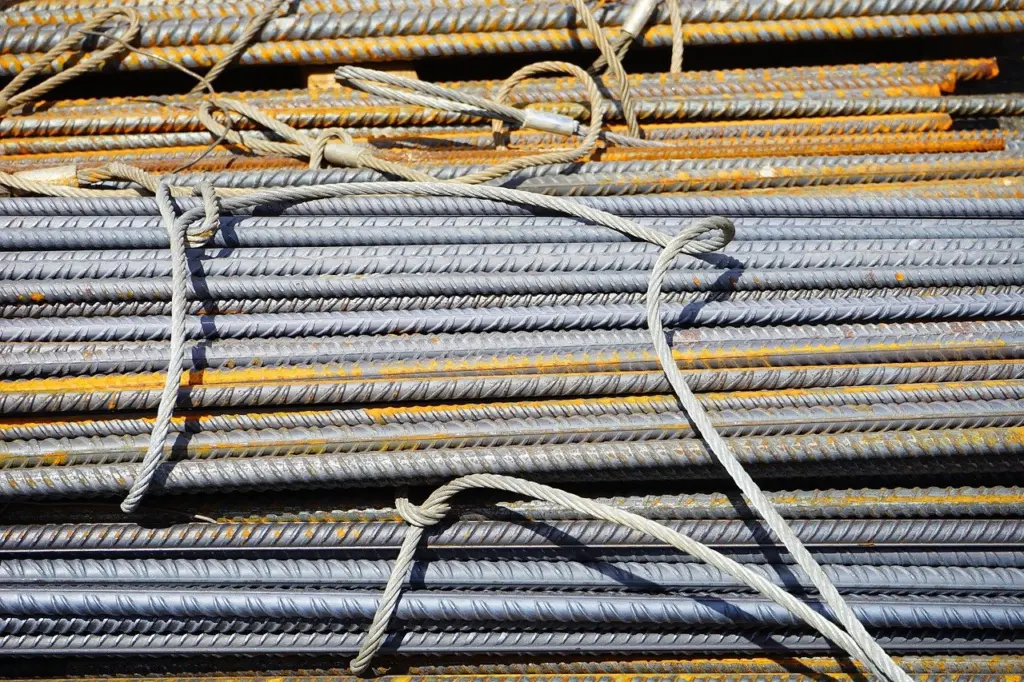
The limits are practical. Steel framing does not make a house low carbon on its own, because the rest of the envelope and the services still count. It also asks you to verify, not assume: a supplier who quotes only the industry share has not answered the question you asked.
Reclaimed lumber
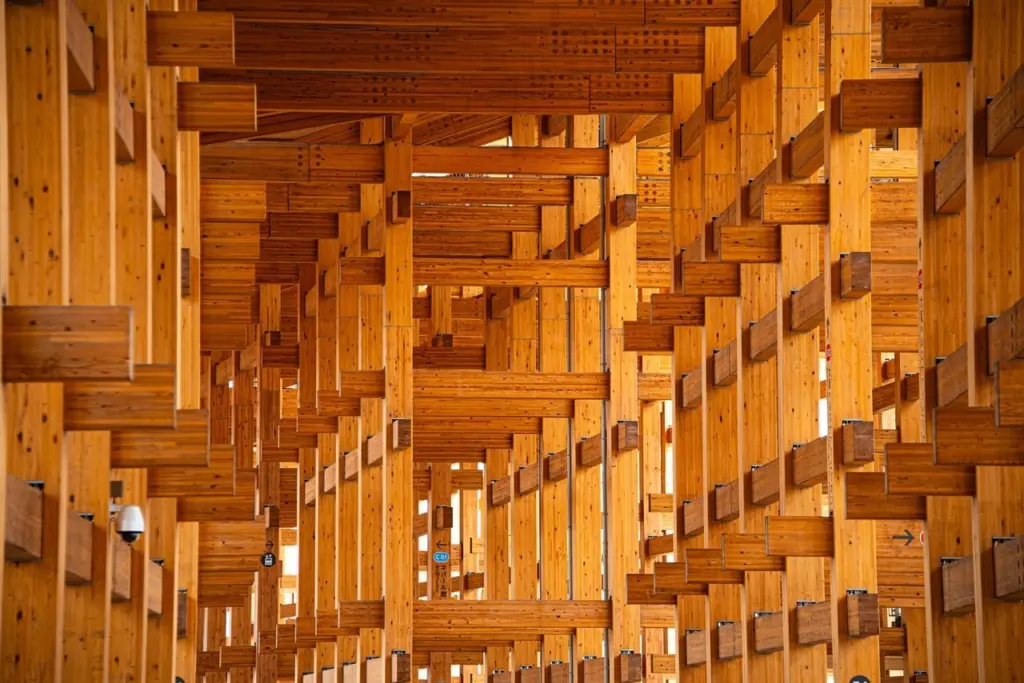
Reclaimed lumber suits owners who value reuse and can accept stock that varies from piece to piece. The construction materials overview says reclaimed wood reduces the demand for new lumber and cuts the energy that harvesting and processing would otherwise need. The benefit comes from avoiding new production, so the strongest case is where reclaimed pieces replace new ones one for one.
The limitation is that each reclaimed piece has a history. Before using any of it structurally, have your designer confirm its suitability for the role. For beams, mantels and exposed ceilings where the appearance matters as much as the load, reclaimed timber is often the easiest place to start.
If you are finishing floors and interiors
Interior finishes are the easiest place to choose a renewable material, because the structural stakes are lower and the product is easy to inspect before installation.
Bamboo
Bamboo is a good building material for suitable uses, with one condition: check the processed product, not just the plant. The built environment guide calls bamboo the fastest-growing plant in the world, and the construction materials overview adds that it has a high strength-to-weight ratio and regenerates faster than traditional timber.
Those strengths describe the raw material. They do not by themselves describe the footprint of a finished floor or panel, which depends on how it was made and shipped. If sustainability is the reason for choosing bamboo, ask the manufacturer for a product-level declaration and compare it against a timber alternative you are also considering.
Bamboo suits owners who want a fast-renewing finish and are willing to ask for paperwork. It is a weaker choice if the supplier can only say “natural” without documentation.
If you want a plant-based or mineral wall
Wall systems are where the most unusual materials appear. They also demand the most care, because the wall has to cope with moisture, loads and local building rules.
Hempcrete pros and cons
Hempcrete is a bio-composite made from the inner woody core of the hemp plant mixed with a lime binder, according to the construction materials overview. Its appeal is plain: a plant-derived aggregate combined with a mineral binder, rather than a conventional manufactured wall product.

The pros and cons are best weighed as follows:
- In its favour. A hemp-based, lime-bound composition appeals to owners who want a plant-derived wall material and are building a one-off home where an unusual system is acceptable.
- Against, or to check. Any carbon or performance claim needs product-specific documentation, and you should confirm with your designer and building official how the material may be used in your jurisdiction before committing.
- When to look elsewhere. If your builder has no experience with the material or the schedule is tight, a better-documented option is the safer choice.
Earth blocks as a mineral alternative
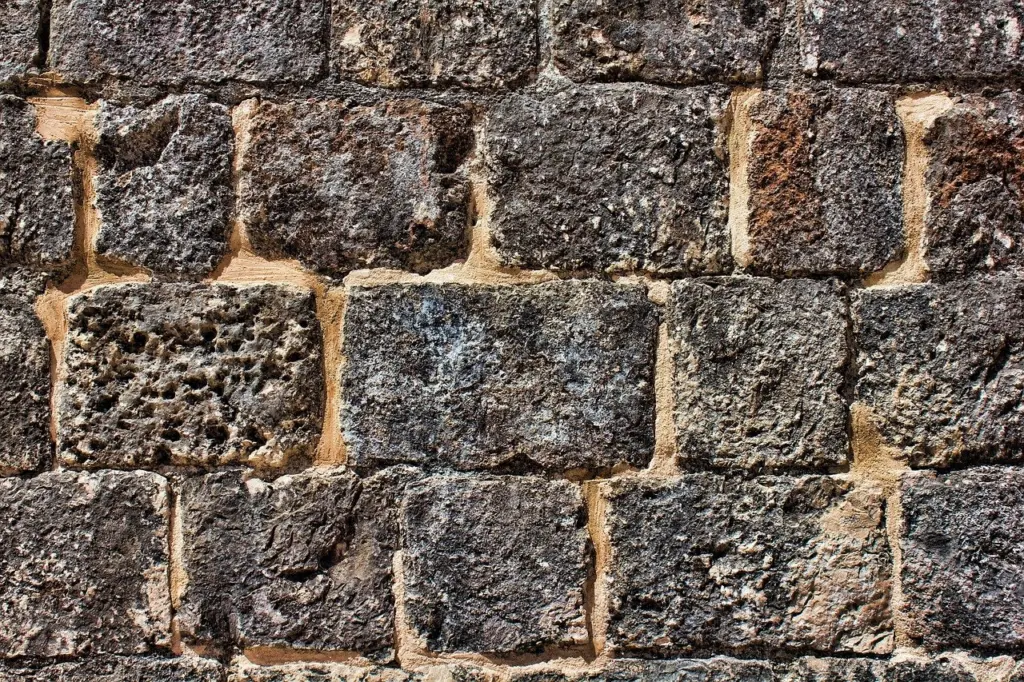
Earth blocks are the comparison point for owners drawn to a mineral wall. The built environment guide names their weakness: low tensile strength, with strength and stability falling after long contact with water. That makes them a material for protected, dry positions and designs that keep water away.
Verifying a sustainability claim
To verify a material’s sustainability claims, look for documented, product-specific evidence and treat marketing language as a prompt to ask questions. Life cycle analysis is the method to look for, because scientists using it analyze the total environmental impact of products across all steps of their life, not just one stage. A claim that covers only part of that chain is a partial answer.
- Ask for the EPD. Request the environmental product declaration for the exact product and read what it states, including recycled content.
- Separate industry averages from product facts. The share of steel production that involves recycled material is background, not a specification.
- Check what the evidence covers. A declaration that states which life stages it includes is more useful than a slogan.
- Use independent references. The Berkeley library guide to sustainable materials collects literature on life cycle assessment, eco-labelling and case studies for readers who want to go further.
Fitting materials into the whole home
Material choice works best alongside the design decisions that set how much energy the home needs. If you are considering a very low-energy envelope, read what is a passive house before fixing your wall and framing choices. The same applies to services: a decision about a heat pump for home heating can influence how much space and structure the building needs.
Frequently asked questions
| Question | Answer |
|---|---|
| Can a steel building be recycled at the end of its life? | Yes. The built environment guide says steel buildings can be recycled almost entirely, with very little waste. |
| Which part of a bamboo plant can be used in construction? | The same guide says an entire bamboo stem can be used in construction, which is part of its appeal as a material. |
| Where can I find certified products? | The Berkeley library guide lists Green Seal’s directory of certified products as a resource for checking what has been certified. |